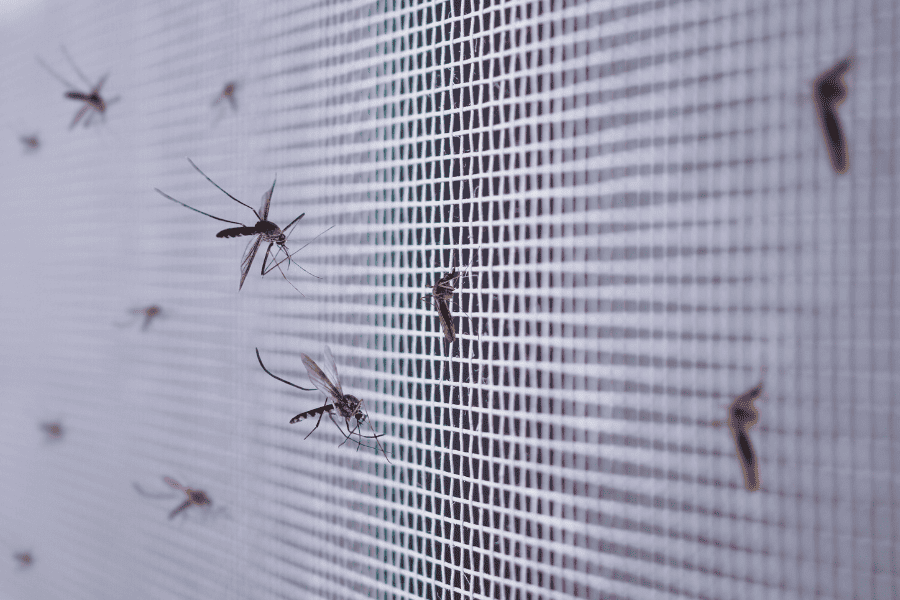
This is the time of the year when you should be enjoying backyard barbecues, pool parties, and lazy afternoons spent basking in the sun. However, along with all the joys of the season, there’s an unwanted visitor that tends to steal the spotlight: mosquitoes!
Mosquito season in North Carolina typically runs from April – October, with the arrival of cooler weather. So, there are still a couple of months left to deal with these pesky pests. Let’s go over what you can do to make it through the rest of the season:
Apply mosquito repellants: when spending time outdoors, apply a mosquito repellant containing DEET to any exposed skin.
Consider fans for outdoor use: Mosquitoes are known to be weak fliers, so creating airflow with fans can make it difficult for them to approach you.
Remove standing water: Mosquitoes breed in stagnant water, so eliminating any potential breeding grounds is crucial. Regularly check your yard for any containers, such as buckets, flowerpots, or bird baths, that may collect rainwater.
Consult professionals: If you’re dealing with a severe mosquito problem that persists despite your efforts, it may be worth contacting your local pest control company. They can assess your yard, identify potential breeding sites, and provide effective solutions tailored to your specific situation.
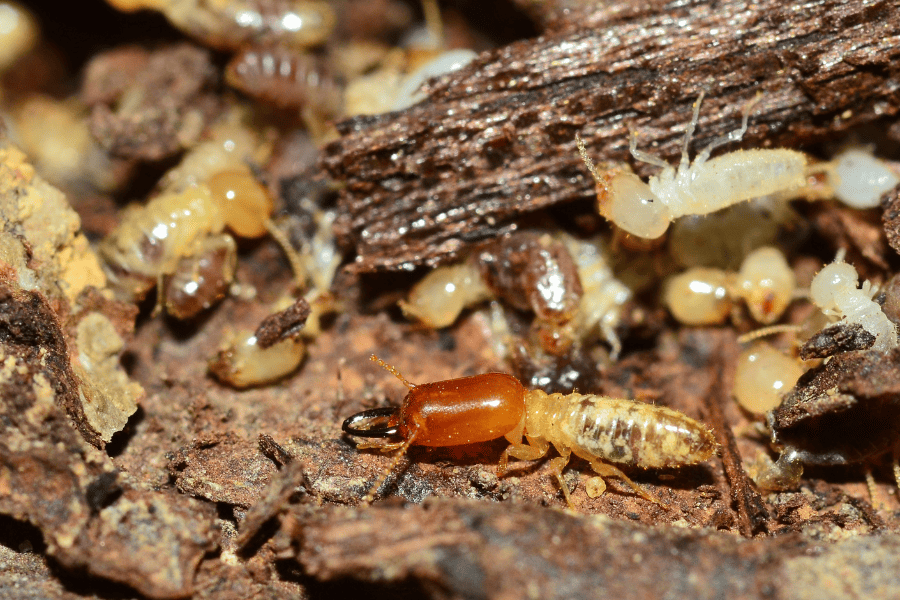
Subterranean termites are a common type of termite that can cause significant damage to your home if left untreated. These termites typically live underground and build their nests in the soil. There are several termite treatment options out there to help keep termites under control, including the Sentricon Always Active® system. Here is more information on subterranean termites, along with ways to prevent and eliminate them.
Signs of Subterranean Termites:
Presence of mud tubes: Subterranean termites build mud tubes to travel from their nest to their food source, which is typically wood. These tubes can be found along your home’s foundation or walls.
Damaged wood: Subterranean termites can cause significant damage to wood and other building materials. Look for wood that appears hollowed out or damaged.
Presence of swarmers: Subterranean termites will often swarm during the spring or early summer months. Look for winged termites or termite swarmers around your home or inside your home.
Benefits of the Sentricon® Always Active Termite Baiting System:
Effective at preventing subterranean termite infestations by using bait designed to attract termites. Once the termites consume the bait, it will be shared with the rest of the colony, leading to the colony’s demise.
Creates a protective barrier around your home by being installed in the ground around your home’s perimeter and checked regularly by a pest control professional. If termite activity is detected, the bait will be replaced to ensure that the colony is eliminated.
The baiting system is environmentally friendly and does not require the usage of harsh chemicals, making it family- and pet-friendly.
Remember to look out for signs of termite activity, such as the presence of mud tubes or damaged wood, and schedule regular inspections with your local pest control company to catch any infestations early.
Being a pet owner in North Carolina means you’re probably familiar with the annoyance of fleas and ticks. These pesky pests can not only cause discomfort for your furry friends, but they can also transmit diseases to both pets and humans. Fortunately, there are steps you can take to keep fleas and ticks at bay. Here are some tips:
Keep Your Lawn Trimmed: Fleas and ticks thrive in tall grass and vegetation, so keeping your lawn trimmed is an important step in preventing their presence around your home. Make sure to mow your lawn regularly and keep any bushes or shrubs trimmed.
Use Flea and Tick Preventatives: There are many flea and tick preventatives available on the market, including topical treatments and collars for pets. These can be highly effective in preventing flea and tick infestations. Make sure to follow the instructions on the packaging and apply the preventative as directed.
Check Your Pets Regularly: Even with preventatives, it’s important to check your pets regularly for fleas and ticks. Look for any signs of fleas, such as excessive scratching or small black specks in your pet’s fur. For ticks, make sure to check areas like the ears, between the toes, and under the tail.
Vacuum Your Home: Fleas can lay eggs in carpets and other areas of your home, so vacuuming regularly is an important step in preventing an infestation. Make sure to empty the vacuum bag or canister outside to prevent any fleas from escaping back into your home.
Keep Wildlife Away: Wildlife, such as deer and rodents, can carry fleas and ticks into your yard. Make sure to keep any food sources, like bird feeders, away from your home and use fencing to keep larger animals out.
Hire a Professional Pest Control Service: If you’re struggling with a flea or tick infestation, it’s best to call in the professionals. A pest control service can help you identify the source of the problem and develop a plan to eliminate the pests.
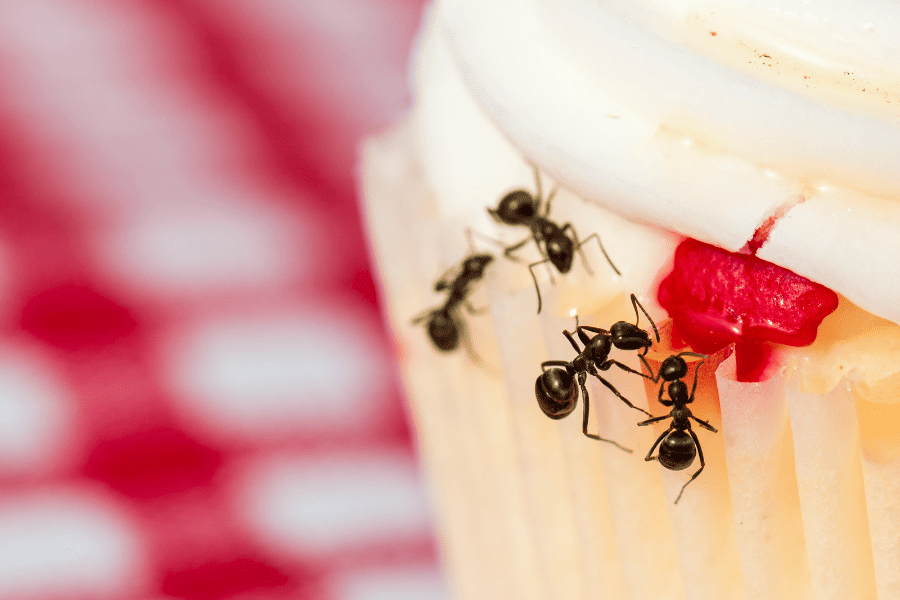
Ants are a common household pest that can quickly become a nuisance if they enter your kitchen or home. Not only are they a nuisance, but they can also contaminate your food and surfaces.
There are many different types of ants, but some of the most common ones found in kitchens include Argentine ants, carpenter ants, and odorous house ants. Argentine ants are small and brown, while carpenter ants are larger and can cause damage to wood structures. Odorous house ants are small and black and emit a strong odor when crushed.
Here are some quick and easy ways to prevent ants from entering your home:
Keep Your Kitchen Clean
The first step in preventing ants from entering your kitchen is to keep it clean. Ants are attracted to food crumbs and spills, so be sure to wipe down your countertops and sweep or vacuum your floors regularly. Don’t leave dirty dishes in the sink overnight, as this can also attract ants.
Store Food Properly
Ants can easily access food that is left out in the open, so be sure to store your food properly. Keep your food in airtight containers, and store sweet or sticky foods such as honey and syrup in the refrigerator. Clean up any spills or crumbs immediately to avoid attracting ants.
Seal Entry Points
Ants can enter your home through small cracks and gaps in your walls, floors, and windows. To prevent ants from entering your kitchen, seal any entry points using caulk or weather stripping.
Use Natural Remedies
There are several natural remedies that can help deter ants from entering your kitchen. Consider sprinkling cinnamon or cayenne pepper around the perimeter of your kitchen to repel ants. You can also use vinegar or lemon juice to wipe down your countertops and floors, as the acidic scent will deter ants.
Call a Professional
If you have tried these do-it-yourself methods and still have an ant infestation in your kitchen, it may be time to call your local professional pest control company. These professionals can identify the source of the infestation and use safe and effective methods to eliminate ants from your home.
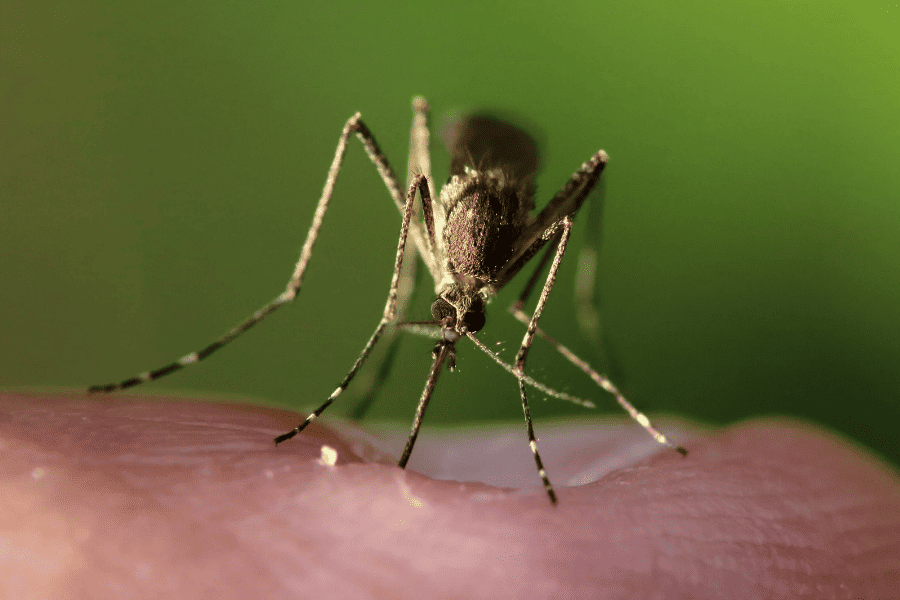
Mosquito season is here, but it’s not too late to get prepared! Besides being annoying, mosquitoes can transmit serious diseases to both humans and pets. Here are some quick and simple DIY tips to get prepared for mosquito season.
Clean your Gutters
With all this rain and wind happening lately, it’s probably safe to say you have accumulated some leaves and sticks in your gutters. Even those with guards in place can accumulate debris. It’s important to get all debris removed from gutters as it can cause the drainage to slow leaving enough standing water for mosquitoes to breed.
Remove Standing Water
You’ve handled the standing water in your gutters, but have you checked throughout your yard for any other potential trouble spots? Here are some common areas and items standing water can be found in your yard:
Pet bowls
Old tires
Low-lying ground
Plastic sheeting
Trashcan lids
AC drip pans
Use Mosquito-Repelling Plants
There are certain plants and flowers that can help deter mosquitoes. You may already have some in your garden, but if not, here are some that you can add:
Citronella
Lavender
Marigold
Basil
Rosemary
Fighting mosquitoes can seem like a never-ending battle, even after you’ve placed preventative measures around your home. Consider reaching out to your local pest control company for more information on professional mosquito control services.