With warm weather here, it’s the perfect time to do some spring cleaning. A great place to start is your kitchen pantry. Pantry pests tend to be less obvious than other common household pests. You might not see or notice them until there’s an infestation or when they leave the food source to fly into other areas of your home.
The good news is that pantry pests don’t cause any structural damage to your home and don’t pose much of a threat to people or pets. However, they can penetrate carboard and plastic, leaving your goods vulnerable to infestations. Once a good source is affected, the pests multiply rapidly and will most likely spread to other food items if not found and controlled immediately.
How to Detect Pantry Pests
You will most likely notice pantry pests when they leave the food source and go to other areas of your home. You might see small beetle-like pests in cabinets or moths flying in the kitchen. If you suspect pantry pests, inspect your dried food immediately, throw out anything infested, and do a thorough cleaning of the entire area.
How to Prevent Pantry Pests
Properly store food items, including pet food, in tightly sealed containers, preferably with plastic or glass.
Buy dried foods in quantities that can be used up in 2 to 4 months.
Use up your older products before your newer ones.
Keep your pantry clean of food debris.
Wipe down shelves and floors regularly.
Thoroughly clean cracks and corners of cupboards and doors with a vacuum cleaner.
Inspect all packages before buying them or bringing them home.
If you spot any pantry pests, it’s recommended to contact a pest control company so the pests can be properly identified. A pest professional will locate the pests, eliminate them, and provide suggestions on how to prevent a reoccurrence in the future.
During the wintertime, many homeowners worry less about pests that are common during the spring and summer months. Contrary to popular belief, some pests don’t just die off when it’s cold outside. Instead, they use their survival instincts to get through the winter. Below is a list of 4 common winter pests and what you can do to prevent them when warmer weather arrives.
Ants
Seeing ants inside of your home is typically uncommon during the winter months. However, they are still around. They are great at overwintering and preparing for the cold. Ants prepare for the colder weather in the fall where they indulge in lots of food. This preparation helps them put on fat so they can survive without eating for weeks at a time. When winter finally arrives, their body temperature and activity will decrease. Then, they will seal up their colonies that they build deep in the soil or under rocks. This is where they will stay until springtime arrives.
Bed Bugs
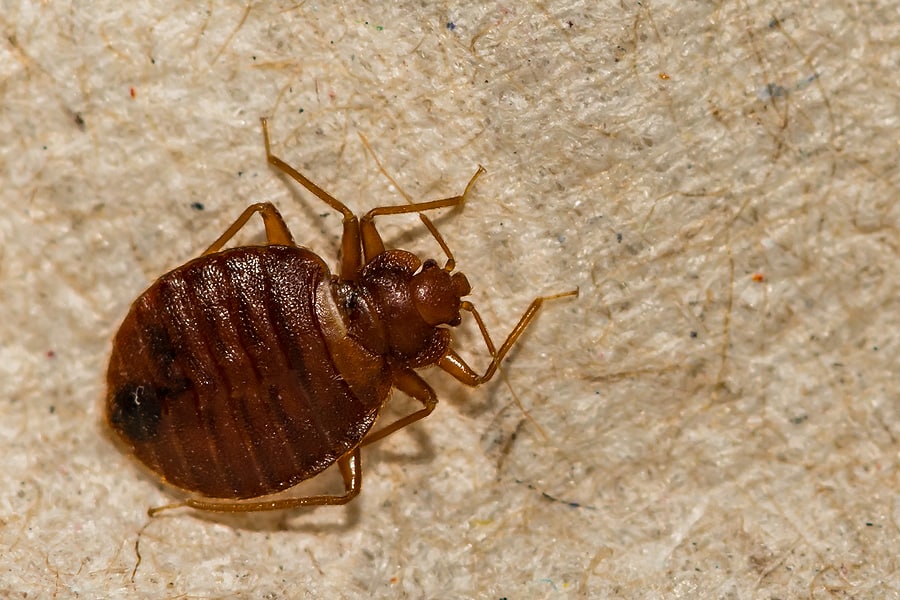
Bed bugs are active all year-round. This means that they will invade your home whether it’s warm or cold outside. They are resilient pests and can survive temperatures from nearly freezing to 122 degrees Fahrenheit. This makes them an extremely difficult pest to get rid of. Common signs of bed bugs can include rusty, reddish-brown stains on bed sheets or mattresses, bites on exposed skin when sleeping, and eggs or egg casings.
After coming home from traveling, make sure you unpack your clothes and put them directly into your washing machine to clean. Always inspect your luggage for bed bugs and use a vacuum to clean it before storing it away.
Cockroaches
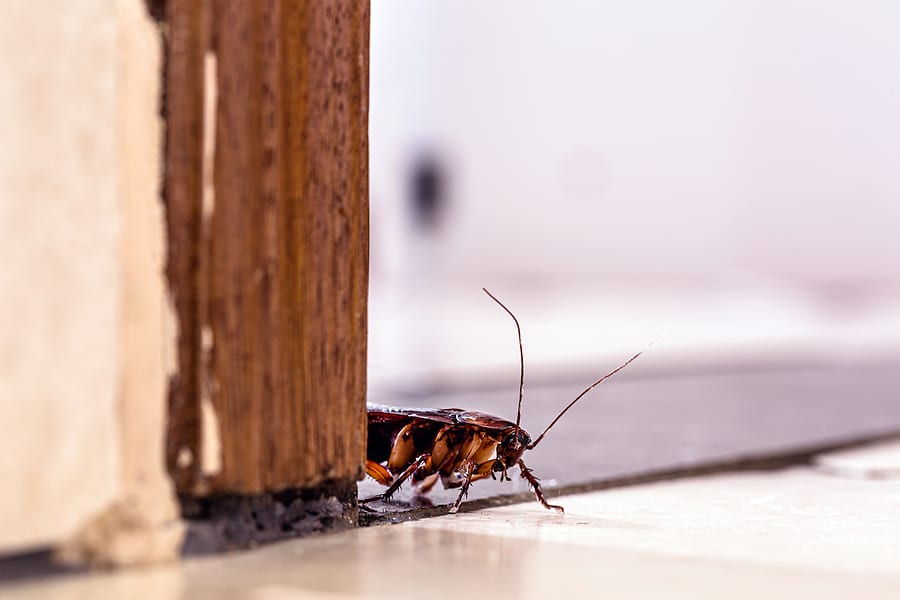
Most cockroaches can survive year-round if they have access to a warm and moist environment. Unfortunately, this means that your home is the perfect place for these pests to inhabit. German cockroaches are the one species that are known to survive harsh weather conditions. When the cold hits, they are great at sneaking indoors through small gaps and holes.
Cockroaches prefer to live in humid habitats such as kitchens, bathrooms, and basements. To ensure they don’t infest your home, make sure to clean up any spills or food crumbs, vacuum often, and use weather stripping to seal doorways.
To help prevent these overwintering pests from invading your home once spring and summer hit, consider contacting your local pest control company. A trained professional can provide you with an inspection, prevention, and treatment plan.
It’s estimated that termites cause billions of dollars worth of damage annually in the United States. While they primarily feed on wood, they can also damage books, insulation, and swimming pool liners and filters. They like to wreak havoc on trees, shrubs, and plants that are in bad health. Termites can infest buildings at any time. This can be particularly troublesome when buying or selling a home. A termite inspection and report are usually required as a condition of sale of a home.
Signs of Damage
When signs of termite damage surface, the infestation has often been there for years with extensive damage already sustained. Some signs of termites in your home include:
A hollow sound made by tapping on wood with a heavy object
Painted walls that bubble and peel
Small entry holes where they tunnel through drywall
Buckling ceiling and walls
Appearance of water damage
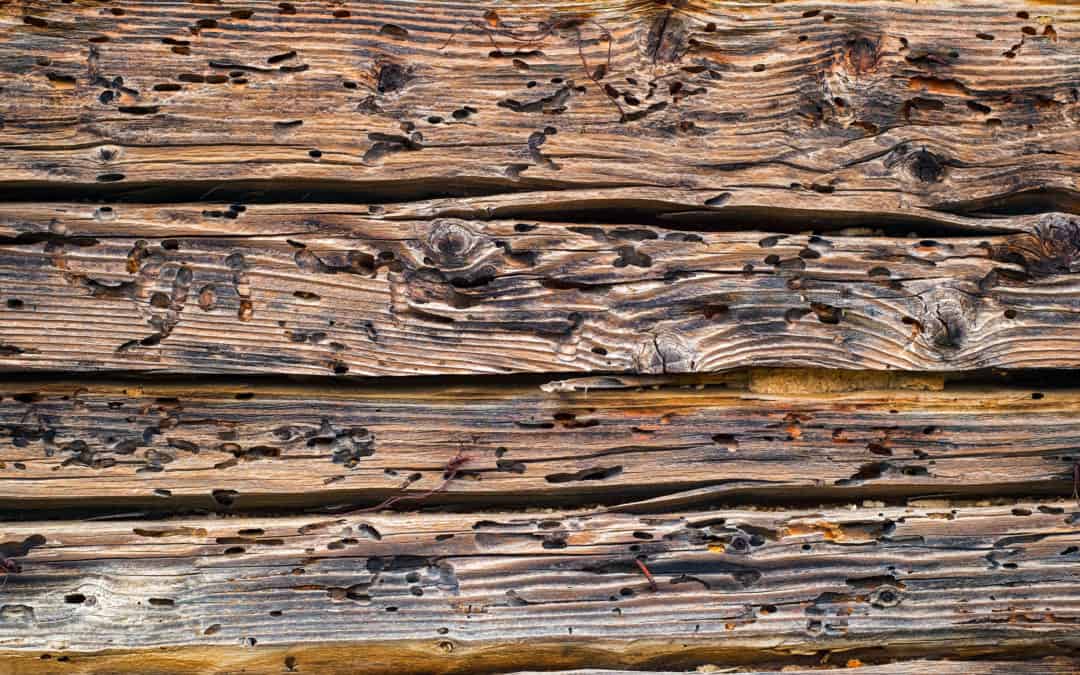
Maze-like designs in wood structures
Mud tunnels on foundations
Significant damage from termites can have an effect on the structural integrity of your home and can even cause ceilings and floors to collapse. Termites can also ruin furniture and flooring.
Damage Costs
One question that many homeowners have is if termite damage is covered under a homeowner’s insurance policy. Unfortunately, in most cases the answer is no. Homeowner’s insurance typically does not cover termite damage or removal because it can usually be prevented through routine home maintenance. However, you should always check with your insurance provider to see what you are and aren’t covered for.
Prevention
Termites can be prevented with scheduled periodic professional inspections which can help identify signs of infestations early. This can help keep repair costs down and the damage to a minimum. Any professional termite control plan should eliminate termites, prevent future termite infestations, and prevent termite damage. If you suspect that you have a termite problem or want to have an inspection done, contact your local pest control company.
It’s bad enough having to deal with cold winter weather outside. It’s even worse when the cold temperatures start to creep into your home. While heating systems work hard enough in the winter to keep our homes warm and comfortable, additional cold air seeping into your home makes them work harder. This can leave you with cold feet and a high energy bill! Let’s review the benefits of crawlspace enclosure for your North Carolina home.
The Importance of CrawlSpace Enclosure in Your North Carolina Home
Up to 50% of household air flows in from your crawlspace. If your crawlspace isn’t enclosed, it lets your heated or cooled air out and allows outdoor air in. This will cause your heating and cooling system to work overtime to compensate for the fluctuation in temperatures, which may cause you to still feel cold floors and inconsistent temperatures throughout your home. Also, these units burning more energy leads you to increased utility bills.
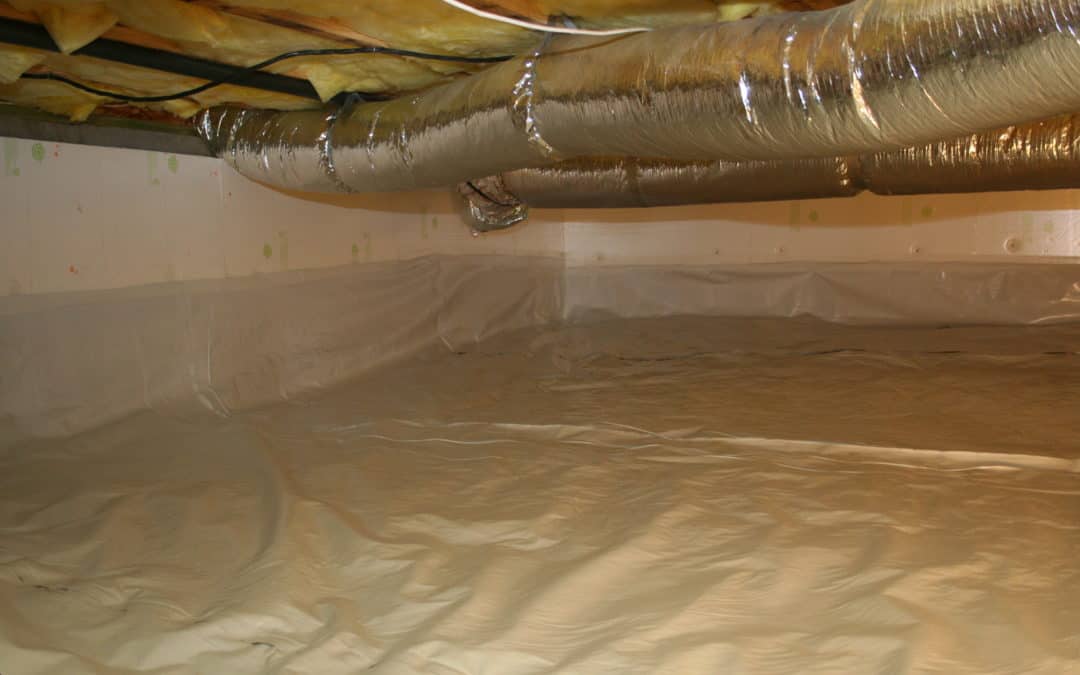
Crawlspace enclosure is like adding a liner to your pool to avoid leaks. Water vapor enters your crawlspace from the ground and can even seep through cement. Increased moisture can cause a handful of problems in your crawlspace and your home. Moisture attracts pests, degrades indoor air quality, can cause mold and mildew growth, warped floors, and structural damage. Adding a moisture barrier and dehumidifier is a great way to help keep moisture out of your crawlspace. Check out our list of crawlspace enclosure benefits:
Improved air quality in the home
Keeps pests and wood-destroying insects out
Creates more comfortable living conditions
Eliminates moisture which decreases fungus and mold
Do you have an issue with moisture in your crawlspace? Contact a pest control company near you who can come out and inspect your crawlspace, identify potential areas of concern, and recommend the best treatment plan for your situation.
While the holidays can be filled with fun and travelling to see family, one side effect that isn’t fun is dealing with bed bugs. Bed bugs are active all year but are more likely to infest your home after a trip. Below are a few tips to help prevent bed bugs now and throughout the year.
Inspect
Inspect your hotel room or rental for signs of bed bugs before bringing your luggage inside. It’s more common for hotels to have issues with bed bugs, regardless of the price or popularity, so it’s important to check every room. Bed bugs can be found in any type of furniture in the cracks and crevices, not just beds. Make sure you check sofa cushions, chairs, behind headboards, and around mattress corners. Look for evidence of bed bugs, which will usually be very small, dark-colored stains. Another indication of bed bugs is skin shells that have been shed during their growth phases.
Move
If any bed bugs evidence is found, request a different room or change your accommodations. If you do change rooms, make sure you are not right next door to the infested room.
Unpack
More often than not, bed bugs will go unnoticed because of their small size and nocturnal behavior. Even if you inspect your room and don’t find anything, be cautious when unpacking your clothes. Do not leave your luggage lying on any furniture. After inspecting, use the luggage racks provided by most hotels.
Contain
After you’ve returned home, don’t bring your luggage directly inside. Seal them in plastic bags or containers and store them for a few weeks somewhere outside of your home. You can take further precautions by steaming or vacuuming your bags before storing them.
It’s possible to take all of these precautions and still bring bed bugs indoors. If you’re experiencing bed bug bites or are seeing evidence of bed bugs, contact a professional pest control company to assess the situation. An exterminator can determine the best bed bug control plan and provide you with recommendations to prevent further infestations.