Many will debate which is more effective – professional pest control or do-it-yourself pest control. There’s a growing trend among homeowners who want to be able to tackle pest control themselves to save time and money. Regardless of the route you take, prevention is always key to controlling pests. Below are some effective DIY pest control tips to try:
Keep Everything Clean
A clean house is much less attractive and hospitable for pests. Cleaning any dirty dishes and food scraps out of the sink will help keep pests away. Also, wipe down your kitchen counters and surfaces daily. Store food and drinks in sealed plastic or glass containers. Empty your garbage cans regularly. Keep your grass mowed and make sure to get rid of weeds. Lastly, keep all shrubs and trees trimmed back so they aren’t touching your house.
Make Your Home Less Attractive to Pests
Pests will come into your home in search of 3 things: food, water, and shelter. If you’re able to eliminate these attractants, pests will have no reason to come in. As referenced above, make sure you keep your home clean. Repair any leaky pipes and faucets both inside and outside of your home. Do not leave pet food or water bowls out overnight. Lastly, declutter your home and try to use plastic storage bins instead of cardboard boxes.
Use Plants as Natural Repellents
Some plants are known to be good pest repellents. Instead of using traditional chemical methods, these plants provide a green pest control alternative. Plant any of these around your home for a natural remedy to common pests:
Rosemary (for beetles, roaches, flies, slugs, snails, and mosquitoes)
Lavender (for fleas, flies, mosquitoes, and moths)
Lemongrass (for fleas, ticks, mosquitoes, and lice)
Seal Them Out
Pests can’t get into your home unless they find a way in. Some pests only need a small opening to get in. Inspect the outside of your home for any potential entry points and seal them up. Make sure to check door frames, windows, utility pipes, and the roof. Repair any broken windows and screens.
Use the Pros
Sometimes an infestation can go beyond the scope of DIY pest control methods. In these circumstances, it’s best to call a professional who can properly identify the pest you are dealing with. They can provide proper treatment as well as ongoing prevention techniques that you can use at home.
If you suspect that you have a pest problem, contact your local pest control company for an evaluation.
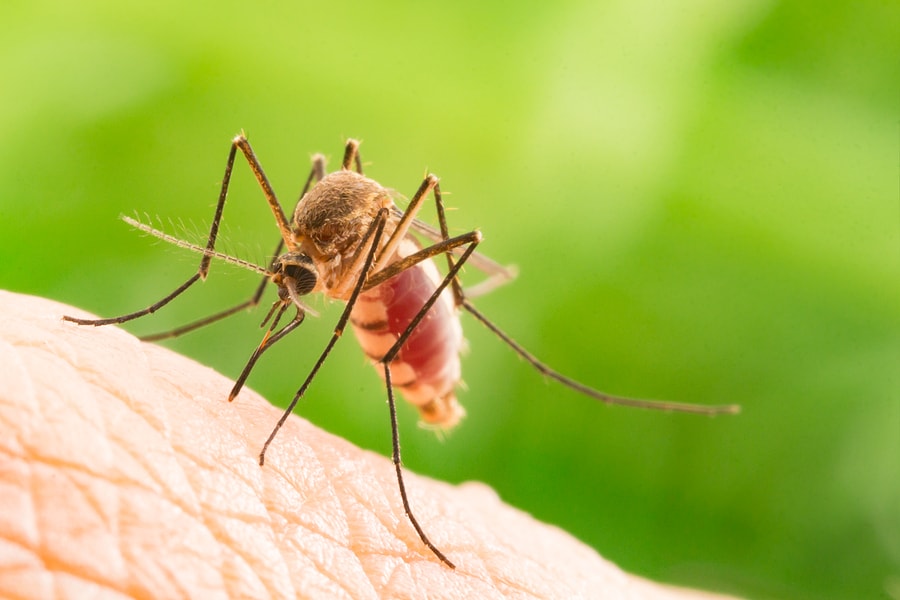
Mosquito season is here! Summer rain brings humidity which allows mosquitoes to thrive during these months. Although mosquito season starts in spring, peak season is during the summer when temperatures are the hottest. Mosquito bites leave behind itchy, red welts and can also transmit dangerous diseases to humans and pets. Fortunately, there are a handful of green pest control options that you can use to control mosquitoes. Below are three steps you can take for green mosquito control.
Identify Nesting and Resting Sites
The first step to mosquito prevention is identifying and eliminating what attracts them in the first place. Mosquitoes tend to come around in search of nesting sites and resting sites. All species of mosquitoes lay their eggs in water. While the type of water source may vary between species, it only takes a tiny amount of water for mosquitoes to hatch and develop. You can get rid of any potential breeding sites by:
Cleaning up debris around your home. Moisture can accumulate under piles of leaves, boards, mulch, rocks, and other outdoor items.
Walking around your yard and identifying any items that can hold water, such as pots, bird baths, toys, and planters. Empty them and store them upside down when not in use.
Repairing any poor drainage sites in your yard as this can lead to standing water.
Protect Yourself from Bites
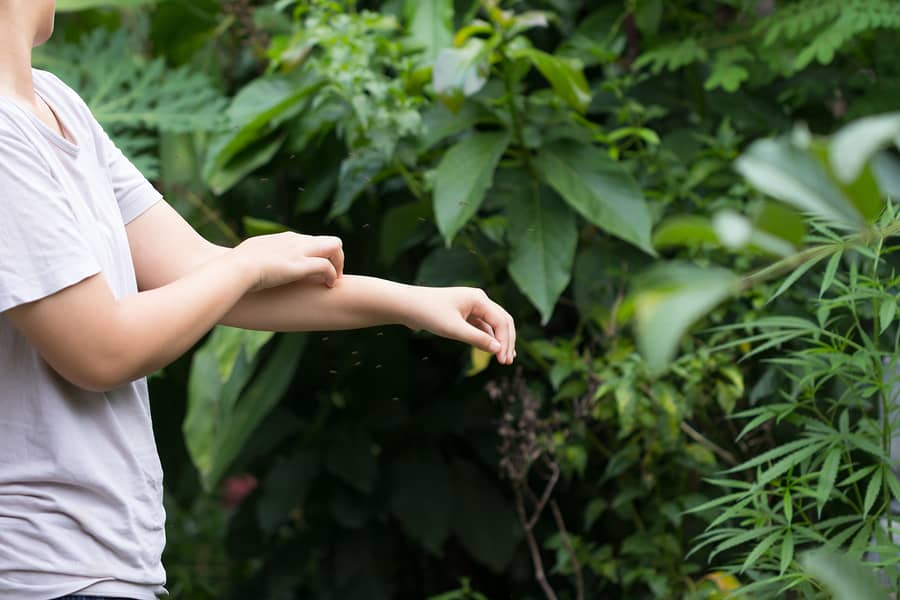
You should protect yourself from mosquito bites whenever you can. You can do so by:
Blowing them away. Any breeze makes it difficult for mosquitoes to fly. If you plan on spending time outdoors, consider using fans. Keep the air flow from the fans pointed at the lower half of your body as mosquitoes tend to fly closer to the ground to avoid the wind.
Avoiding peak mosquito hours. Mosquitoes tend to feed at dawn and dusk.
Applying insect repellent before going outdoors. When applying repellent, spray it onto your hands and rub it into your skin instead of spraying it directly on you.
Considering the use of plants that repel mosquitoes around your home such as citronella, lavender, lemongrass, marigolds, and basil.
Applying Green Mosquito Treatments
Mosquito treatments vary in both effectiveness and longevity depending on where you live and what kind of climate you have. Regardless of your location, a green mosquito control program can be effective at helping control mosquitoes. Green mosquito control utilizes eco-friendly products that are just as effective as traditional products.
Our green mosquito reduction program includes an inspection to identify resting and nesting sites, larvicide and adulticides to target all aspects of the population, source reduction and elimination by removing any areas of standing water, plus a service guarantee where they can come back between treatments if needed, usually at no cost.
If you have a problem with mosquitoes or any other pests, contact your local professional pest control company. They should be able to provide you with a thorough inspection and the most up-to-date traditional and green treatment options available for you.
Regardless of the season, pests are always in search of shelter and food. One place that provides them with both of these is your home. Different seasons bring different pests in varying stages of their life cycles. It’s important to know the patterns for these seasonal pests in your area to make the proper preparations for your home. What can you expect as each season changes throughout the year?
Winter
For most pests, winter is a time of hibernation and survival. The colder weather triggers a need for overwintering pests to find shelter. Some will seek this out indoors, while others will look for it outdoors. Bees, wasps, and other stinging insects search for shelter in logs or in the eaves of your home. Ants will seek shelter in their nesting sites. Overwintering pests like roaches and spiders will seek shelter indoors, sometimes in our homes. They key to prevention of winter pests is to prepare your home in the fall.
Spring
Spring is a time of awakening and mating for many pests. As the weather starts to get warm, pests will emerge from their winter shelters and increase their activity. Pests that hibernate during the winter will awaken from their dormant states. The spring rains will drive ants from their nesting sites in search of higher ground; plus it marks the beginning of swarming season for termites. Most pests will move outdoors in the spring in search of mates.
Summer
Summer brings the height of backyard pests, which are what tend to put a damper on our outdoor fun. While we usually see fewer pests inside our home during the summer, we do tend to see a larger number of pests in our yards and other outdoor areas. Mosquito season peaks in the summer months as the moisture from spring and summer rains drives mosquitoes to breed. Bees, wasps, and other stinging insects are also more active in the summer.
Fall
Fall is a time of preparation for most pests as they need to get ready for the harsh winter months. Common fall pests include ladybugs, box elders, and spiders. These pests will often invade your home at this time of the year in search of shelter for the coming months. Fall is a good time to prepare your home for overwintering pests, such as roaches and rodents.
Regardless of the season, there are steps you can take to protect your home from pests year-round:
Keep your grass mowed and shrubbery trimmed away from the sides of your home.
Keep your yard clear of debris and standing water.
Inspect the outside of your home for cracks and holes that pests can use as entry points and seal them.
Use weatherstripping around doors and windows and make sure screens are in good repair.
Make sure gutters are clear of debris or install gutter guards.
Keep food and pet food stored in airtight containers.
Don’t leave pet food and water bowls out overnight.
Clean up crumbs and spills immediately.
If you already have a pest problem or these steps aren’t working for you, call your local pest control company. They can come and give your home a thorough inspection and help you with a treatment and prevention plan.
Your backyard can be a great place to entertain and spend time with your family and friends, except when there are mosquitoes. Unfortunately, the warmer months also mean mosquitoes. Nothing can ruin your time outside faster than being bitten by these pests. They can spread diseases to humans and pets. Mosquitoes might seem like an annoyance that you can easily swat away, but they can be a big problem. They’re almost impossible to avoid completely unless you plan to stay inside all summer. Below are some steps you can take to mosquito-proof your yard this summer.
Eliminate Standing Water
Standing water is a breeding ground for mosquitoes. The best approach for mosquito control is to stop them from showing up in the first place. Therefore, you need to eliminate any standing water in your yard. Even the smallest puddle can support larvae. This includes kiddie pools, plant trays, gutters, and garbage cans. The only exception is a swimming pool because the chlorine drives them away.
Standing water on your lawn is also an issue. After each rainstorm, check for areas where water seems to pool and takes a while to drain. If it happens regularly in the same area, you may have a drainage issue that needs some work to prevent water from pooling and becoming a breeding ground for insects.
Use Fans
If you are spending time on a deck, patio, or around a pool, a fan can help you keep mosquitoes away. They are weak fliers, so the wind from fans makes it hard for them to get close enough to bite. Also, mosquitoes are attracted to higher body temperatures. So, while the fan is keeping your body temperature cool, it’s also keeping mosquitoes away. A ceiling fan is great for any covered outdoor area, and oscillating fans around other parts of your yard will help drive them away.
Mosquito Treatments
Green mosquito treatments are a very effective way to get rid of mosquitoes. They not only help reduce mosquito activity, but they’re eco-friendly by protecting the beneficial pests around your home. These types of mosquito treatments are great if your own efforts aren’t working, or you live near a water source.
To start a mosquito control program, contact your local pest control company. They will come inspect your landscaping, make recommendations, and develop a mosquito reduction plan that is designed for your property. After your yard has been treated for mosquitoes, your pest control provider will continue to monitor the property and provide monthly treatments during mosquito season, to ensure ongoing protection and mosquito bite prevention.
The best way to control mosquitoes in your yard is by using multiple approaches. If you follow all of these steps, you can effectively reduce the number of mosquitoes in your yard and enjoy your time outside this summer.