READY TO GET STARTED?
REQUEST A FREE ESTIMATE
Fill out the form below or call (336) 226-1448 for a free, no-obligation estimate.
Fill out my online form.


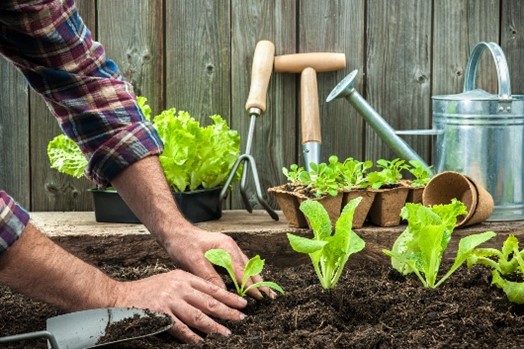
Gardening isn’t just about growing beautiful flowers and fresh produce; it’s also a cost-effective and eco-friendly method for managing pests. By using natural gardening techniques as preemptive pest control, you can keep unwanted critters at bay without the need for expensive chemical treatments, saving you money on pest control.
Cold weather drives pests like mice and insects indoors, where they seek warmth and food. Proactively using gardening techniques, like planting pest-repelling plants, can prevent this invasion, keeping your home pest-free without harsh chemicals.
Companion planting pairs certain plants together to naturally repel pests. Marigolds, for example, keep aphids and mosquitoes away, while basil can protect your tomatoes by warding off flies and mosquitoes. A few strategic plant choices can save you from major infestations.
Lavender doesn’t just smell amazing—it repels fleas, moths, and mosquitoes. Plant it near windows and doorways to keep bugs out. Similarly, mint deters ants and spiders but can spread quickly, so it’s best to plant it in pots.
To start, research plants that are effective against the pests common in your area. Consider raised beds or vertical gardens if space is limited and place them near entry points for maximum effect. Healthy soil, rich in nutrients, also helps strengthen plants’ natural defenses.
Not all insects are bad—some, like ladybugs, actually help keep harmful pests in check. Planting dill or fennel can attract these beneficial bugs, reducing your need for chemical interventions.
Diatomaceous earth, sticky traps, and copper tape are excellent eco-friendly barriers to pests. And don’t forget, gardening is a year-round commitment! Plan your garden to maximize its pest-repelling power through every season.
While starting a garden may have upfront costs, the long-term savings from reduced pest control bills and fresh produce are significant. Plus, a thriving garden boosts your home’s curb appeal.
By embracing strategic gardening, you’re not only saving money but also promoting a healthy, sustainable environment. Take the first step toward a pest-free, greener home by planting your garden today! While gardening can help efforts in reducing pest activity around your property, sometimes you need some extra support! Finding local North Carolina pest professionals will ensure you have the tools you need to ensure a pest-free, healthy garden.
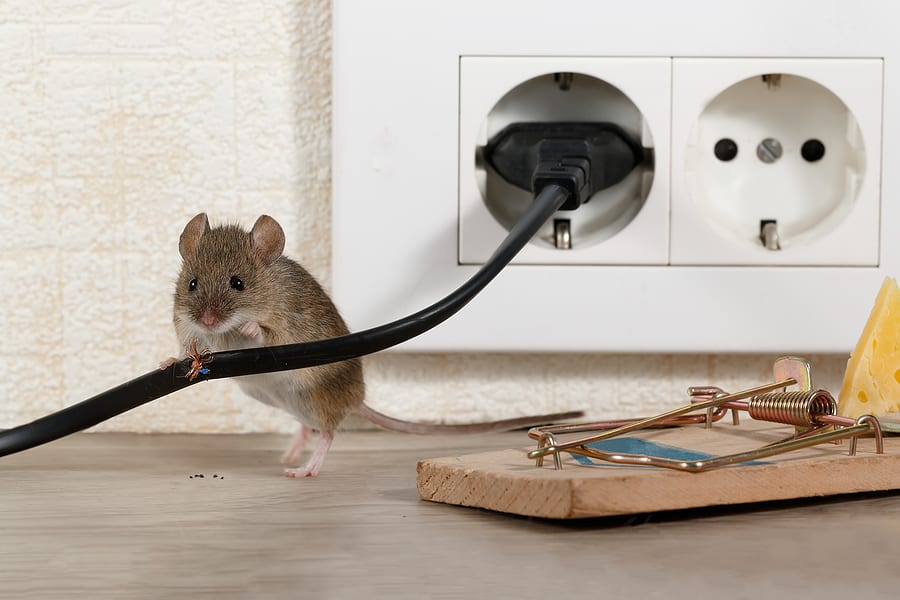
Many will debate which is more effective – professional pest control or do-it-yourself pest control. There’s a growing trend among homeowners who want to be able to tackle pest control themselves to save time and money. Regardless of the route you take, prevention is always key to controlling pests. Below are some effective DIY pest control tips to try:
Keep Everything Clean
A clean house is much less attractive and hospitable for pests. Cleaning any dirty dishes and food scraps out of the sink will help keep pests away. Also, wipe down your kitchen counters and surfaces daily. Store food and drinks in sealed plastic or glass containers. Empty your garbage cans regularly. Keep your grass mowed and make sure to get rid of weeds. Lastly, keep all shrubs and trees trimmed back so they aren’t touching your house.
Make Your Home Less Attractive to Pests
Pests will come into your home in search of 3 things: food, water, and shelter. If you’re able to eliminate these attractants, pests will have no reason to come in. As referenced above, make sure you keep your home clean. Repair any leaky pipes and faucets both inside and outside of your home. Do not leave pet food or water bowls out overnight. Lastly, declutter your home and try to use plastic storage bins instead of cardboard boxes.
Use Plants as Natural Repellents
Some plants are known to be good pest repellents. Instead of using traditional chemical methods, these plants provide a green pest control alternative. Plant any of these around your home for a natural remedy to common pests:
Seal Them Out
Pests can’t get into your home unless they find a way in. Some pests only need a small opening to get in. Inspect the outside of your home for any potential entry points and seal them up. Make sure to check door frames, windows, utility pipes, and the roof. Repair any broken windows and screens.
Use the Pros
Sometimes an infestation can go beyond the scope of DIY pest control methods. In these circumstances, it’s best to call a professional who can properly identify the pest you are dealing with. They can provide proper treatment as well as ongoing prevention techniques that you can use at home.
If you suspect that you have a pest problem, contact your local pest control company for an evaluation.