
November Wasp and Hornet Activity in North Carolina: What to Expect
As autumn settles across North Carolina, most people assume stinging insect season is over. While it’s true that falling temperatures signal the end for many wasp and hornet colonies, November can still bring surprising encounters. Lingering warm spells can keep some of these pests active, posing a potential risk to homeowners enjoying the fall weather. Understanding the late-season behavior of these insects is essential for preventing painful stings and ensuring your property is secure for the winter. This guide explains what to expect from wasp and hornet activity in North Carolina during November and provides practical advice for managing any lingering threats.
Why Are Wasps and Hornets Still Active?
The life cycle of most social wasps and hornets, including yellow jackets and paper wasps, concludes in the fall. The colony’s workers die off, leaving only the newly mated queens to find a place to overwinter. However, North Carolina’s variable climate can alter this timeline.
Surviving Queens and Lingering Workers
A mild November can prolong the life of some worker wasps, who may become more aggressive as their food sources disappear. More importantly, the future queens are on the move. These fertile females actively search for sheltered locations to survive the winter, such as in wall voids, attics, sheds, or under eaves. A queen that successfully overwinters on your property is likely to build a new nest nearby in the spring.
A False Sense of Security
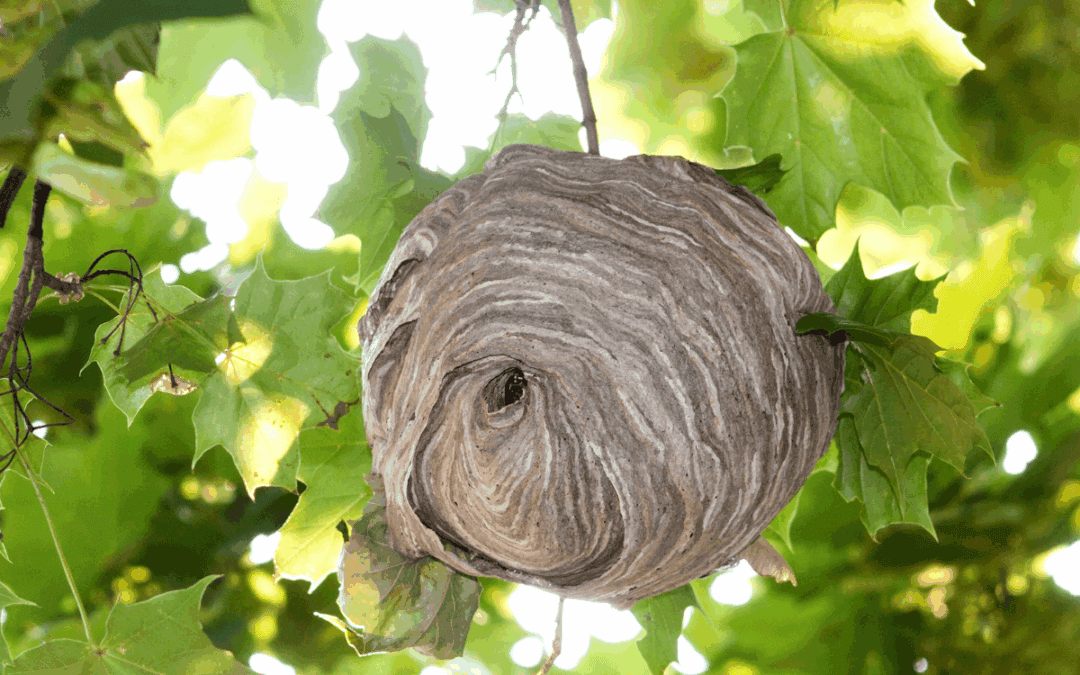
Homeowners may discover what appears to be an abandoned nest and assume it is harmless to remove. However, a sudden warm spell can reanimate any lingering wasps, leading to defensive stings. It is crucial to treat any nest, active or not, with caution.
Risks Associated with Late-Season Wasps and Hornets
Even a diminished colony can pose a significant threat. The primary risk associated with late-season wasp and hornet activity in North Carolina is the potential for stings, which can be dangerous for several reasons.
- Allergic Reactions: For individuals with an allergy to wasp or hornet venom, a single sting can trigger anaphylaxis, a life-threatening allergic reaction that requires immediate medical attention.
- Aggressive Behavior: As their natural food sources (insects and nectar) become scarce, worker wasps can become more desperate and aggressive, increasing the likelihood of unprovoked attacks.
- Multiple Stings: Unlike bees, most wasps and hornets can sting multiple times. If a nest is disturbed, they will attack in large numbers to defend it, which can be hazardous even for those without allergies.
Tips for Managing Wasps and Hornets in the Fall
Prevention and cautious observation are your best tools for dealing with late-season stinging insects. Making your property less inviting can help deter queens from choosing it as their winter refuge.
Property Maintenance and Prevention
- Seal Entry Points: Inspect your home’s exterior for cracks, gaps, and holes, especially around the roofline, windows, and utility entry points. Use caulk or other appropriate sealants to close these openings and prevent queens from getting inside.
- Secure Trash and Compost: Keep all outdoor trash cans tightly sealed. Food and sugar residues can attract foraging wasps.
- Inspect Before Yard Work: Before raking leaves, clearing brush, or cleaning out sheds, carefully inspect the area for signs of nesting activity. Nests that were hidden by summer foliage may become visible in the fall.
What to Do If You Find a Nest
Even in November, finding a nest on your property calls for caution. Avoid removing it yourself—over-the-counter sprays are often ineffective and can trigger aggression.
The best solution is to contact a licensed pest control professional. They can identify the species, assess the risk, and remove the nest using specialized equipment, helping prevent future colonies from forming in spring.