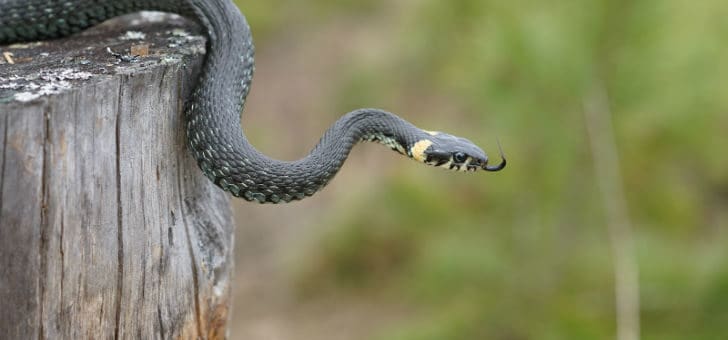
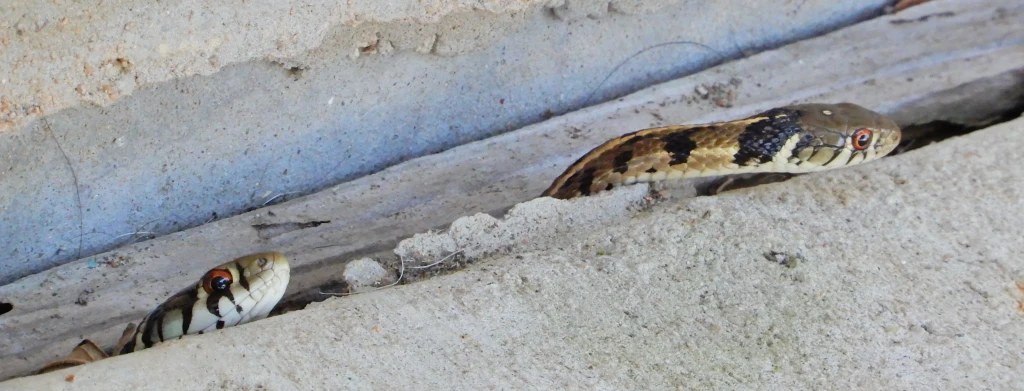
In Burlington and across Alamance County, the warm climate and diverse ecosystems are perfect for an abundance of snake species. While a snake in your yard or home can be startling, most are harmless and even helpful in controlling pests like rodents and insects. Learning to identify common snakes in North Carolina and knowing how to handle encounters effectively can help you feel more at ease.
Common Snakes in North Carolina
Both non-venomous and venomous snakes are found throughout the state. Here’s an overview of the species you’re most likely to encounter in or around your home.
Non-Venomous Snakes
Black Rat Snake: These long, black snakes are excellent at reducing rodent populations and are often found in gardens, barns, or even attics.
Eastern Garter Snake: With distinct yellow stripes running down their back, garter snakes are commonly seen in grassy areas and near water.
Corn Snake: Often mistaken for copperheads due to their reddish coloring, corn snakes are completely non-venomous and beneficial.
Venomous Snakes
Copperhead: The copperhead is the most encountered venomous snake in North Carolina. Their copper-colored pattern blends well into leaf litter, making them difficult to spot.
Cottonmouth (Water Moccasin): Typically found near water, cottonmouths may venture out to yards close to ponds or streams to hunt.
Timber Rattlesnake: Usually found in wooded areas, timber rattlesnakes may wander into yards near forests.
Identifying North Carolina Snakes
If you come across a snake, identifying it is key to understanding how to proceed. Here are some distinguishing features to look for but remember not to get too close when inspecting a snake.
Head Shape: Most venomous snakes have a triangular or arrow-shaped head, while non-venomous snakes usually have a rounded or oval head.
Pupil Shape: Venomous snakes generally have vertical, slit-like pupils, whereas non-venomous snakes have round pupils.
Body Patterns: Pay attention to body markings but be cautious. For example, copperheads display an hourglass-shaped pattern that can identify them.
If you’re not sure about the type of snake, it’s best to leave it alone and avoid handling or interfering with it.
What to Do If You Encounter a Snake
Spotting a snake in your home or yard can be unsettling. However, you can take steps to manage the situation and reduce potential risks.
Remain Calm: Snakes are generally not aggressive and will often retreat if left alone.
Do Not Disturb It: Avoid touching, chasing, or attempting to remove the snake yourself. This can lead to defensive behavior.
Call a Professional: If a snake is in your home or proving difficult to relocate from your yard, contact a wildlife control or pest expert for assistance with snake removal.
Keeping Snakes Out of Your Yard and Home
You can take steps to make your property less appealing to snakes and limit how often you see them near your home.
Maintain Your Yard: Keep grass trimmed and remove debris like woodpiles, rock heaps, or overgrown vegetation that may provide cover.
Seal Openings: Inspect your home for gaps around doors, windows, and foundations, and seal these to prevent snakes from entering.
Control Attractants: Limit rodent activity around your property since rodents are a major food source for many snakes. Use sealed garbage bins and clean up food scraps promptly.
Plant Repellents: Incorporate plants like lemongrass or marigolds into your landscaping, which some believe can discourage snakes.
Living Harmoniously with Snakes
While encountering a snake might not be a pleasant experience, understanding their role in the ecosystem can help shift your perspective. Snakes are valuable for pest control and maintaining natural balance. By taking steps to identify and prevent encounters, you can reduce situations that cause stress and keep your property better protected.
If you’re facing recurring snake-related challenges, working with a pest or wildlife professional can provide tailored solutions to make your home and yard less attractive to them. With just a bit of planning and awareness, you can cohabitate with these fascinating creatures more easily.
Contact us today for a free snake control quote. Give us a call or click the button below to get started!
North Carolina’s natural beauty comes with its share of wildlife, including an array of native snake species. While snakes play an essential role in the ecosystem, it’s important to enjoy outdoor spaces responsibly and understand how to coexist with these creatures. Whether you’re a pet owner or an avid gardener, these practical tips will help you reduce the likelihood of unexpected snake encounters.
Why Snake Awareness Matters in North Carolina
With habitats ranging from forests to backyards, snakes can sometimes wander into residential spaces. North Carolina is home to a variety of non-venomous and venomous snakes, such as the copperhead and cottonmouth. While most snakes prefer to stay out of sight, understanding their behavior and taking precautions can make outdoor spaces more enjoyable for everyone—including your pets.
Snake Awareness Tips
Here are four expert-backed recommendations to help you feel more prepared and avoid potential run-ins with snakes in your area.
1. Avoid Reaching or Stepping into Unseen Areas
Snakes are experts at staying hidden, often blending into their surroundings. Piles of leaves, brush, or tall grass make ideal spots for snakes to rest or hunt. If you need to move debris or explore an area where visibility is limited:
Always check first: Scan the area visually before reaching in or stepping. Snakes are usually wary of human presence and prefer to retreat if given the chance.
Use tools when possible: When gardening or tidying up, a rake or stick can help you move materials without putting your hands directly into places a snake might hide.
This habit is especially helpful for pet owners. Dogs and cats, driven by curiosity, might stick their paws or noses into these concealed spaces. A quick check could save them from an uncomfortable encounter.
2. Choose Protective Clothing for Outdoor Activities
What you wear makes a big difference when spending time in wooded or grassy areas. Boots and gloves can offer an added layer of protection when you’re gardening, hiking, or clearing debris.
For your feet: Opt for sturdy boots that overlap with your pants to reduce exposure. Snakes are low to the ground, so shoes like sandals or flip-flops offer little barrier against accidental nips.
For your hands: Thick, durable gloves are essential for gardeners who might unknowingly disturb a snake while digging or lifting foliage. They’re also a great choice when handling firewood piles, a common snake hiding spot.
Outfitting yourself properly is a small effort that can go a long way in making outdoor activities more comfortable and stress-free.
3. Keep Your Yard Clean and Tidy
Snakes gravitate toward cluttered areas where they can feel protected and hidden. By minimizing hiding spots in your yard, you reduce the chance of them settling nearby.
Clear debris: Regularly remove piles of leaves, stacked wood, or unused equipment. These items mimic natural habitats for snakes and their prey, like rodents.
Trim vegetation: Maintaining short grass and trimmed bushes helps keep your yard open and easier to monitor. Snakes are less likely to linger in areas where they might feel exposed.
Protect pet spaces: If your pets spend time outdoors, regularly check their play areas and ensure spaces like doghouses are clear of debris and well-lit.
These simple steps create a more open environment, making it easier to spot any visitors from a cautious distance.
4. Use Flashlights During Nighttime Activities
Many snakes are more active at night when temperatures are cooler. Whether you’re walking your dog or taking out the trash, a flashlight can help illuminate your surroundings and reveal anything that might surprise you in the dark.
Stick to well-lit areas: If possible, keep outdoor activities confined to spaces with lighting.
Shine your light ahead: Before stepping outside or entering a potentially dark area (like a shed or backyard), a quick sweep with a flashlight can help you identify movement before you walk too closely.
For pet owners, this practice is especially beneficial. Dogs in particular are prone to investigating unfamiliar nighttime smells, so carrying a flashlight keeps you one step ahead.
A Balanced Approach to Snake Awareness
Snakes are an important part of North Carolina’s ecosystem, helping to control pests and maintain balance in nature. While encountering one unexpectedly may be unnerving, taking these precautions allows you to enjoy your outdoor spaces with greater confidence. Cultivating a clean yard, wearing suitable attire, staying vigilant, and arming yourself with tools like flashlights can significantly reduce your chances of a surprise encounter.
For pet owners, keep in mind that awareness is a two-way street. While these tips will help you stay prepared, always keep an eye on your pets when they’re exploring outside. With a little preparation and help from your local pest control experts, you and your furry friends can coexist peacefully with North Carolina’s wildlife.