September in North Carolina brings a unique mix of warm days, cooler nights, and lingering humidity. This transitional weather creates the perfect stage for garden pests to make a final push before winter, threatening your hard work just as harvest season arrives. The good news is you can manage pests with methods that protect your plants and support the beneficial insects that keep our state’s ecosystem thriving.
Sustainable pest management not only produces long-term results but also nurtures the health of your soil, plants, and local wildlife. By applying eco-friendly strategies tailored to North Carolina’s climate, you can keep your garden productive while contributing to the environment.
Understanding September Pest Pressure in North Carolina
Many pests become more active in September as they complete their reproductive cycles before cooler months. Warm days and cooler nights, paired with fluctuating humidity, can stress plants while creating ideal conditions for garden pests like aphids, spider mites, cucumber beetles, and caterpillars. Fungal diseases also flourish in these conditions, fueled by morning dew and temperature swings. Knowing these seasonal patterns allows you to take action before issues escalate.
Building Healthy Soil as Your First Defense
Healthy soil supports strong plants that naturally resist pests. Robust plants produce compounds that repel damaging insects and attract beneficial species.
Organic Matter Enhancement
Incorporate compost, aged manure, and leaf mold into garden beds to improve soil structure and nutrient balance. This helps beneficial microorganisms compete with harmful pathogens while slowly releasing nutrients throughout the season. North Carolina’s clay-heavy soils benefit especially from these additions, which boost drainage and root growth.
Natural Soil Amendments
Introduce mycorrhizal fungi to extend root systems and improve nutrient uptake. Supplement with rock dusts like kelp meal or granite dust for trace minerals that enhance plant health and pest resistance.
Strategic Companion Planting for Garden Pest Control
Certain plants work better together, offering natural pest deterrence and attracting allies like predatory insects.
Aromatic Herb Barriers
Plant basil, oregano, and thyme around tomatoes to deter hornworms and other pests. Marigolds help suppress nematodes and repel unwanted insects, with French marigolds being especially effective.
Beneficial Insect Attractors
Include perennials such as purple coneflower, black-eyed Susan, and wild bergamot to provide nectar and pollen for predatory and parasitic insects. Herbs like dill and fennel attract beneficial wasps that target caterpillars and other garden pests.
Natural Garden Pest Control Solutions
Organic Spray Applications
Neem oil can control aphids, spider mites, and caterpillars without harming helpful insects when used correctly. Soap-based sprays made from pure castile soap are effective against soft-bodied pests, and essential oil sprays with peppermint or rosemary can deter a variety of insects.
Physical Barriers and Traps
Floating row covers protect crops from flying pests while allowing air and light through. Sticky traps help monitor and reduce pest populations, while copper barriers deter slugs and snails.
Encouraging Beneficial Wildlife
Creating Habitat Diversity
Plant native grasses, shrubs, and trees that provide shelter and overwintering spots for helpful species. Add water sources like birdbaths for pollinators and beneficial insects. Leave a few undisturbed garden areas for ground-dwelling predators such as spiders and beetles.
Integrated Management Approaches
Rotate crops to disrupt pest cycles, and time plantings to avoid peak pest periods. Regular inspections—especially under leaves and near growing tips—help you address problems early using natural methods.
Seasonal Maintenance Strategies
Remove diseased plant material promptly, compost healthy debris, and apply mulch to conserve moisture, deter weeds, and create habitats for beneficial insects.
By working with nature through soil health, companion planting, and natural pest deterrents, you can keep your garden thriving through September and beyond. For more complex garden pest challenges, local garden experts can help ensure your plants stay healthy and productive year after year. Contact a local pest control company for help managing your garden pests.
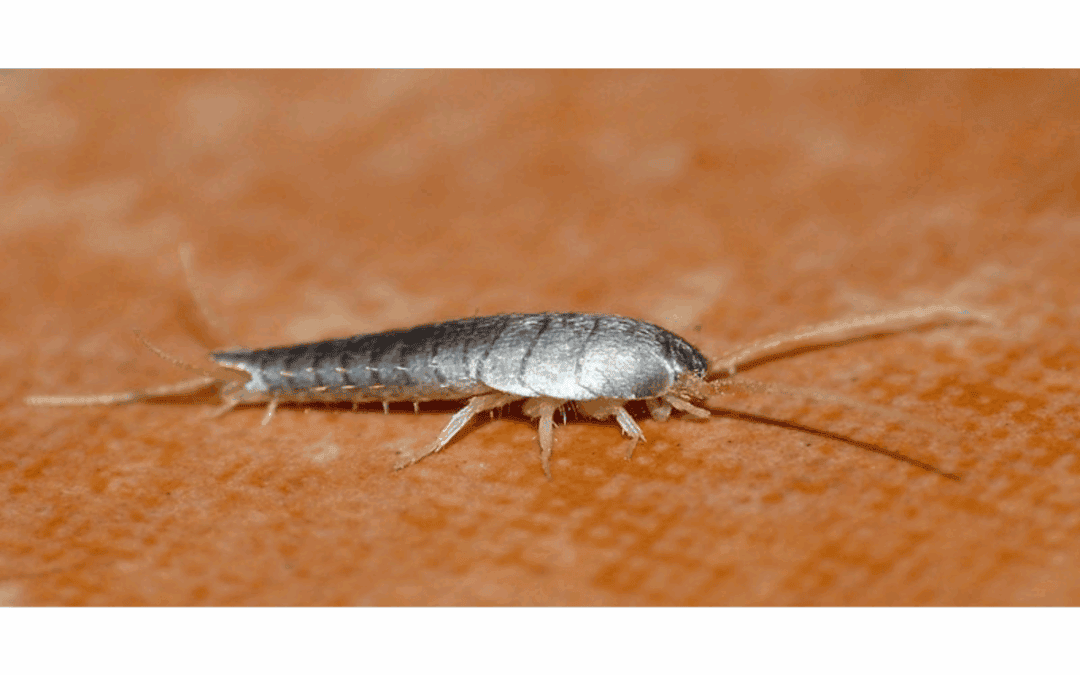
If you’ve been noticing silver-colored, squirmy insects darting across your bathroom floor or hiding in kitchen corners, you’re not alone. Silverfish are a common household pest in North Carolina, especially in dark, damp, and humid spaces. While they don’t bite or sting, their presence can be unsettling, and they may damage books, clothing, wallpaper, and cardboard over time.
Understanding why silverfish invade and how to manage their presence is key to keeping your North Carolina home pest-free. This guide breaks down the common causes and offers practical tips — including eco-friendly options — to prevent and control them the healthier way.
Understanding Silverfish
Why Silverfish Are Common Indoors
North Carolina’s warm, humid climate makes it a hotspot for silverfish activity, particularly in homes that provide moisture and shelter. Here’s why you might be seeing these pests indoors.
1. Humidity and Moisture
Silverfish are attracted to high humidity levels, especially above 70 percent. That’s why they often appear in:
Bathrooms
Laundry rooms
Kitchens
Basements
These spaces stay damp and offer ideal conditions for silverfish to thrive year-round.
2. Dark, Undisturbed Areas
Silverfish prefer to hide where they won’t be disturbed. You’re most likely to find them:
Behind baseboards and under sinks
In storage boxes filled with paper or fabric
Inside attics, especially around insulation
Around old books or wallpaper
3. Access to Food Sources
Silverfish eat starches, proteins, and sugary residues, often found in:
Cardboard
Paper
Wallpaper glue
Fabric and clothing
Pantry crumbs
Their diet makes cluttered or paper-filled areas especially vulnerable.
4. Seasonal Activity
Silverfish are active throughout the year in North Carolina. However, rainfall and seasonal temperature shifts can push them indoors in search of more stable, humid environments.
How to Manage Silverfish Naturally
The good news? You don’t need to rely on harsh chemicals to get silverfish under control. These earth-friendly, low-impact methods can reduce pests while keeping your family, and the planet — healthy
1. Reduce Humidity Indoors
The most effective way to make your home less inviting to silverfish is to reduce moisture.
Use energy-efficient dehumidifiers in rooms that stay damp
Ventilate with ceiling fans or open windows when possible instead of relying solely on HVAC
Fix leaky pipes or faucets to prevent mold, mildew, and pest activity
2. Declutter and Clean Regularly
Removing clutter limits the hiding spots and food sources silverfish rely on.
Store books and seasonal clothing in airtight containers made from recyclable or reusable plastic
Vacuum carpets and corners regularly using a HEPA-filter vacuum to minimize allergens and eggs
Recycle newspapers and cardboard frequently instead of letting them pile up
Use natural cleaning products made with vinegar or citrus to help repel pests
3. Block Entry Points
Stopping silverfish before they get inside is one of the most effective (and eco-conscious) solutions.
Seal cracks and crevices using low-VOC caulk or weatherstripping
Install mesh screens over vents and drains that could serve as access points
Add natural insulation like cellulose to attics and crawl spaces to deter pest movement
4. Use Natural Deterrents
Silverfish dislike certain natural scents and materials. Try:
Sachets of lavender, cedar, cloves, or bay leaves in drawers and closets
Food-grade diatomaceous earth along baseboards or behind appliances — safe for pets and people but deadly to insects
Essential oil sprays made with peppermint, tea tree, or eucalyptus (test a small surface first)
Sticky traps made from recycled materials to monitor infestations without chemicals
When to Call a Professional
If eco-friendly steps haven’t solved the problem or if the infestation seems to grow, it’s time to bring in a pest control professional. Many North Carolina pest control providers now offer green pest control solutions that use targeted treatments with minimal environmental impact.
Keep Silverfish Out for Good
Silverfish are persistent, but they don’t have to take over your home. With smart prevention habits, humidity control, and eco-conscious deterrents, you can create a cleaner, greener home that’s less attractive to pests. Whether you prefer DIY methods or want help from a green-certified pest control pro, the path to a silverfish-free home starts with understanding what they need to survive, and removing it.
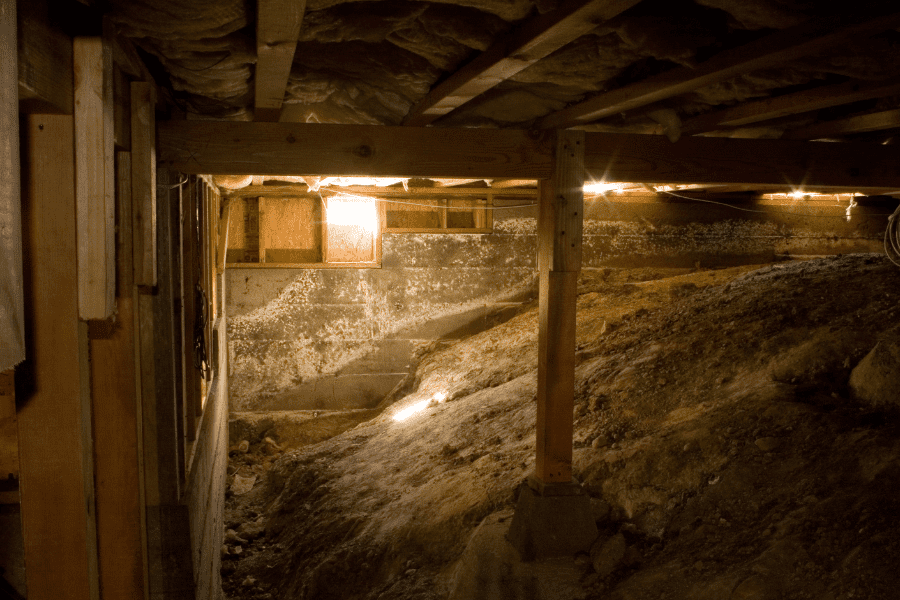
Your crawl space may not be top of mind, but in Burlington, North Carolina, it has a big influence on your home’s comfort, health, and efficiency. If you’ve been noticing musty smells, rising utility costs, or even pest activity, it could be time to take a closer look below your floors. Crawl space encapsulation can protect your home from moisture, mold, and unwanted critters—issues that are all too common in central North Carolina. Let’s break down what encapsulation is, signs your home may need it, and why more Burlington homeowners are making the switch.
Understanding Crawl Space Encapsulation
What Is Encapsulation?
Encapsulation is the process of sealing off your crawl space with a durable vapor barrier. In many cases, it also includes insulation upgrades and the addition of a dehumidifier. By controlling moisture at the source, encapsulation helps stop problems such as:
Because Burlington often experiences muggy conditions, encapsulation helps keep indoor air fresher, while also making your house more energy-efficient.
Why Burlington Homeowners Benefit from Encapsulation
Choosing crawl space encapsulation comes with a wide range of advantages, including:
Cleaner, Healthier Air
Much of the air you breathe indoors originates from the crawl space. Sealing it reduces allergens, mold spores, and that “old basement” smell.
Better Moisture Management
Encapsulation keeps damp outdoor air out, protecting your floors, wood beams, and other structural elements from water damage and warping.
Energy Savings
Less moisture and improved insulation allow your HVAC system to run more efficiently. That translates into lower energy bills and steadier indoor temperatures.
Fewer Pest Problems
Rodents, insects, and termites thrive in damp environments. Encapsulation makes your crawl space less welcoming to pests by eliminating both entry points and excess moisture.
Long-Term Protection
Encapsulation safeguards your investment and may increase resale value by making your home healthier, drier, and more efficient.
Signs It’s Time to Check Your Crawl Space
Homes in Burlington often show warning signs when crawl space issues are present. Keep an eye out for:
Persistent odors: Musty or earthy smells can indicate mold or mildew below.
Moisture indoors: Condensation on windows or sticky indoor air may come from your crawl space.
Visible growth: Mold on baseboards, corners, or walls often starts from below.
Unwanted pests: Evidence of rodents or insects can signal a crawl space problem.
Sagging floors: Excess moisture can weaken wood supports and damage flooring.
What the Encapsulation Process Involves
When you choose professional encapsulation, here’s what to expect:
Inspection and preparation Your crawl space is assessed for pests, mold, or structural concerns, and debris is removed.
Sealing with a vapor barrier A thick liner is applied to the floors and walls, and vents or openings are sealed.
Moisture control Depending on conditions, a dehumidifier or sump pump may be installed to regulate humidity.
Final check The crawl space is inspected to ensure it’s fully sealed and performing as it should.
Long-Term Payoff for Burlington Homes
With encapsulation, Burlington homeowners often see lasting improvements, such as:
Fewer repairs caused by moisture or pests
Greater comfort throughout the seasons
Peace of mind that your home is protected from below
Is Crawl Space Encapsulation Right for You?
If you’re dealing with humidity, unpleasant odors, or pest activity—or if you just want to avoid those problems in the future—crawl space encapsulation may be the solution. It’s a proactive step that protects your home, makes your air cleaner, and prevents costly repairs down the road.
Ready to take control of your crawl space? Contact Sawyer Exterminating today to schedule an inspection and request your personalized encapsulation estimate.
Flies are more than just a buzzing nuisance—they can spread germs and interrupt your daily comfort. North Carolina’s warm, humid climate creates ideal conditions for flies to thrive, especially in the spring and summer. The good news? With a few practical steps, you can prevent them from taking over your space. Here are straightforward prevention tips to help keep flies out of your North Carolina home.
Keep Flies Out Of Your North Carolina Home
Why Flies Are a Common Problem in North Carolina
North Carolina’s heat and humidity accelerate fly reproduction, making infestations more likely during warmer months. Outdoor activities like grilling, gardening, and composting increase the chance of fly exposure, especially when food or waste is involved.
5 Ways to Keep Flies Out Of Your Home
1. Keep Your Home Clean
Flies are drawn to smells, moisture, and food sources. Reducing attractants is the first line of defense.
Cover food and drinks
Keep food covered during preparation and mealtime
Store leftovers in sealed containers
Take out the trash regularly
Use bins with tight-fitting lids
Clean garbage cans periodically to remove residue
Clean drains and sinks
Flush kitchen and bathroom drains with baking soda and vinegar
Avoid letting food particles or debris sit in the sink
2. Seal All Entry Points
Small gaps in your home can become open doors for flies. A few quick checks can reduce entry opportunities.
Inspect and repair window screens
Patch tears or replace damaged mesh
Seal gaps and cracks
Apply caulk or weather stripping around windows, doors, and vents
Add door sweeps
Install sweeps under exterior doors to close off gaps at floor level
3. Use Household Fly Repellents
You can make your home less appealing to flies using items already in your pantry or cabinets.
Essential oil spray
Combine peppermint, eucalyptus, or citronella oil with water
Spray around windows, counters, and doorways
Herb sachets
Use dried basil, cloves, or lavender in small breathable bags
Place in kitchen corners or near trash bins
Apple cider vinegar trap
Fill a bowl with apple cider vinegar and a few drops of dish soap
Leave it on the counter to attract and trap fruit flies
4. Maintain Your Yard
Your outdoor environment plays a major role in keeping flies away from your home’s entrance.
Keep grass and shrubs trimmed
Eliminate overgrown areas that trap moisture
Manage compost and pet waste
Use sealed compost bins
Clean up pet waste promptly
Remove standing water
Check birdbaths, buckets, and clogged gutters regularly
Drain or refresh any water sources that collect in your yard
5. Add Barriers and Traps Outdoors
Preventing flies from gathering around your porch or patio helps reduce the number trying to come inside.
Hang fly strips
Place around doorways and outdoor eating areas
Use outdoor fans
Flies struggle to fly in strong breezes
Use fans on patios or porches to create airflow
Install screen enclosures
Consider screened porches or deck areas to enjoy being outside without inviting pests in
When to Call a Pest Control Professional
Sometimes, even the best prevention efforts aren’t enough to keep flies out. If you’re experiencing:
Frequent indoor fly sightings
Signs of breeding (clusters of flies or larvae)
Ongoing issues despite your efforts
…it may be time to bring in a professional. Reach out to a local pest control provider in North Carolina who can assess the situation and recommend a targeted solution based on your home’s needs.
A Quick Recap
To help prevent flies in and around your North Carolina home:
Keep food covered and your kitchen clean
Seal up cracks, windows, and door gaps
Use common household ingredients to deter flies
Maintain your yard and eliminate breeding zones
Set up traps and barriers to reduce fly activity outdoors
If flies continue to be a problem despite your efforts, call your local pest control team for expert support.
If you’ve ever found ants marching across your kitchen counters, roaches hiding in your cabinets, or spiders creeping through your garage, you’re not alone. Pest problems are common in Burlington, NC—especially during our warm and humid months. That’s why finding pest control near you is essential to keeping your home safe, clean, and comfortable year-round.
Here’s what you can expect when working with local pest control experts in Burlington—and why choosing a trusted pest control company close to home makes all the difference.
Why Choose Local Pest Control in Burlington, NC?
When it comes to pest control in Burlington, NC, working with local professionals gives you a big advantage. Local pest control technicians understand the unique pests that affect homes in our region—whether it’s seasonal ant invasions, mosquito problems, rodent infestations, or termite threats.
Because they live and work in the same area, local exterminators can respond quickly to calls and often provide more personalized service. They’re also more familiar with the local climate, soil conditions, and pest behavior—meaning they can tailor their pest control services to what your home truly needs.
What Services Do Local Pest Control Companies Offer?
Most professional companies offer a wide range of pest control services to treat and prevent infestations. Here are some common ones you can expect:
1. Inspection and Evaluation
Every effective treatment starts with a thorough inspection. Local experts will assess your home inside and out—checking for signs of pests, entry points, moisture problems, and nesting areas. Then, they’ll recommend a treatment plan customized to your needs.
2. Treatment Plans
Depending on your pest issue, technicians may use sprays, baits, dusts, or eco-friendly options to treat your home. Common services include:
These treatments are designed not just to eliminate pests but also to protect your home from future invasions.
3. Follow-Up Services
A good pest control company won’t treat and run. Follow-up visits help ensure the problem is resolved and allow technicians to adjust treatment plans if pests return. Many companies also offer monthly, quarterly, or seasonal services for ongoing protection.
What To Expect During Your First Appointment
Hiring exterminator services near you should be a stress-free experience. Here’s a quick rundown of what to expect:
Friendly, knowledgeable technicians who arrive on time
A detailed inspection of your home and surrounding property
Clear explanations of any pest issues found
Honest recommendations and a plan to treat your home
Answers to your questions and tips for preventing future infestations
Many companies also offer free estimates, so you can understand your options without any pressure.
Why Professional Pest Control Matters
You may be tempted to handle pest issues on your own, but DIY solutions often only address surface-level problems. Professional pest control services get to the root of the issue—eliminating pests at all life stages, blocking access points, and providing ongoing monitoring.
Plus, using a local pest control company means faster service, better support, and someone who genuinely cares about helping your family feel comfortable at home.
Call The Experts in Burlington Today
Pests don’t wait—and neither should you. If you’re dealing with ants, roaches, rodents, or anything in between, don’t leave your home unprotected. Contact a trusted provider of pest control near you in Burlington, NC, to get fast, reliable help.
Whether you need a one-time treatment or year-round pest protection, local experts are ready to treat your home, eliminate the problem, and help you reclaim your peace of mind.
Ready to protect your home from unwanted pests? Call us today or click the button below for a free estimate and expert pest control in Burlington, NC. Let’s take care of your pest problems—so you can get back to enjoying your home.
Musty smell upstairs, cold floors, a power bill creeping up — or you just want it sealed before winter. Either way it starts with a look under the house.
Humidity down, fungus and wood rot stopped
Vents sealed, seams taped, heavy-duty vapor liner
Save up to 18% on your utility bills
🏠Locally operated · Serving Alamance County and the surrounding Raleigh, NC area
Free crawlspace inspection. Tell us what you’re seeing and we’ll take a look under the house.