Fire ants can be a nuisance for homeowners, especially for those who prefer eco-friendly solutions. Here’s a comprehensive eviction plan to help with your sustainable fire ant control.
Understanding Fire Ant Behavior
Fire ants build mounds and are known for their aggressive behavior when disturbed. Understanding their nesting habits is crucial for effective fire ant control. They thrive in warm, sunny areas and often build their colonies in disturbed soils.
Eco-Friendly Fire Ant Control Methods
Prevention is Key
Maintaining a well-kept yard can deter fire ants. Remove debris, such as wood piles and leaves, where ants can nest. Regular lawn care, including mowing and watering, can help prevent the establishment of fire ant colonies.
Natural Deterrents
Several natural methods can help repel fire ants:
Diatomaceous Earth: This natural powder can be sprinkled around ant mounds and entry points. It’s safe for pets and humans but lethal to insects.
Vinegar Solution: A mixture of vinegar and water can disrupt ant trails and deter them from entering your home.
Boric Acid Baits
Boric acid is a popular eco-friendly bait that can be effective against fire ants. Mixing it with sugar water creates an attractive bait for ants, which they take back to their colony, eventually eliminating the nest.
Introduce Beneficial Insects
Encouraging the presence of beneficial insects, such as predatory beetles, can help control fire ant populations naturally. These insects can prey on young ants and help keep their numbers in check.
Regular Monitoring
Keep an eye on your yard for any signs of new fire ant activity. Early detection can prevent larger infestations and allow for quicker, more effective responses.
Seek Professional Help
If your fire ant problem persists despite your best efforts, consider contacting a pest control professional who specializes in eco-friendly methods.
By implementing these fire ant control strategies, eco-conscious homeowners can effectively evict fire ants while minimizing harm to the environment. A proactive approach combined with natural deterrents will help keep your yard pest-free.
Your crawl space plays a key role in your home’s overall health and safety. If your crawl space is not properly taken care of, it can lead to a range of problems such as pest infestations, poor indoor air quality, damage to your foundation, and potential health hazards. In this blog, we breakdown how to care for your crawlspace with the help of DIY methods, encapsulation, and CrawlSpace Seal.
How To Care For Your Crawl Space
CrawlSpace Encapsulation
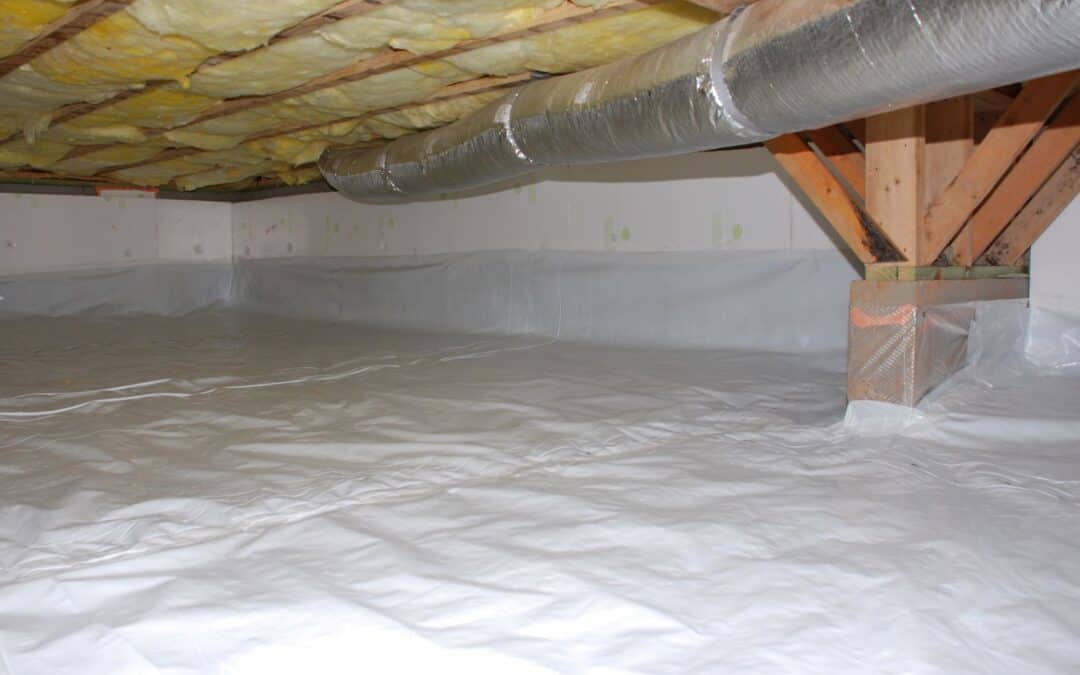
Encapsulating your crawl space is the process of sealing it to help prevent moisture from entering. This process involves installing a moisture barrier or vapor barrier on the floor and walls of your crawlspace, keeping moisture out of the space to help prevent fungi, wood rot, and other moisture-related problems. Likewise, crawlspace encapsulation can help seal pests out by eliminating the food and water sources available to them.
CrawlSpace Seal
CrawlSpace Seal is an innovative solution that is applied to wooden structures in space, such as floor joists and beams. CrawlSpace seal will not only help with moisture issues, but it can also deter pests, like termites, and prevent them from damaging your home’s wood. This service is environmentally friendly and can provide extra protection when paired with crawlspace encapsulation.
Tips For Keeping a Healthy CrawlSpace Tips:
Check regularly for signs of moisture, including dampness and standing water. If you notice moisture buildup, address is as soon as possible to prevent moisture-related issues.
Remove debris or clutter from your crawl space to help eliminate hiding spots for pests.
Consider installing screens over vents or openings in your crawlspace to prevent pests from entering.
Schedule regular inspections with your local pest control company near you to ensure the area is free of pests and other issues.
Following these tips to care for your crawl space can lead to a healthy home for you and your family!
Crawl space encapsulation is the process of sealing your crawl space with a barrier to prevent moisture from entering. A crawl space professional will install a moisture or vapor barrier on the floor and walls of the space, allowing moisture to stay out to prevent fungi growth and other moisture–related problems. But when do you know it’s time to enclose your crawl space? We breakdown all you need to know about crawl space encapsulation, its benefits, and tips on keeping it healthy year-round.
FAQs About Crawl Space Encapsulation
When Should I Enclose My Crawl Space?
If you’re noticing persistent moisture issues, fungi growth, or a musty smell creeping into your home, it’s a clear sign that enclosing your crawl space could be the solution. Sealing it off can help protect your home from these issues.
What Are the Benefits to Crawl Space Encapsulation?
Besides preventing moisture-related issues, there are several other benefits that enclosing your crawl space will provide your home, including:
Energy Savings: HVAC units often run longer to help maintain the temperature inside, using more electricity, and, in return, increasing your energy bills. A moisture barrier will act as a sealant and ease your HVAC system to make your home more energy efficient and save money!
Structural Integrity: Home foundations are vital and excess moisture can lead to wood rot, comprising the structural integrity of your home. Moisture barriers help reduce the amount of moisture to avoid wood rot, protecting the overall structure.
Better Air Quality: Fungi and mildew issues can arise if your crawlspace is in bad condition, creating a health risk to your family and pets. Once installed, a moisture barrier looks to reduce the moisture levels and prevent these moisture-related problems from forming, creating better air quality overall.
Pest Control: Unsealed crawlspaces can be an open invitation for pests and wildlife critters to enter and search for a place to nest and find food sources. Pests like rodents and roaches can cause considerable damage and contaminate your home, bringing in health and safety concerns. Enclosing your crawlspace will eliminate entry points for pests into your home and serve as a good starting point for home pest control.
How Can I Keep a Healthy Crawl Space?
Once your crawl space encapsulation is installed, it’s still important to continue taking care of the space so you don’t run into any further problems in the future. Consider these tips:
Continue checking for signs of moisture, including any dampness and standing water.
Install screens over vents or openings in your crawl space to prevent pests from entering.
Remove debris or clutter you see in the space to help eliminate pest harborage sites.
Consider pairing your crawlspace encapsulation services with CrawlSpace Seal, an innovative solution that is applied to beams and floor joists to help prevent pests and moisture problems.
Schedule regular inspections with a pest control company near you to ensure your crawl space is free of pests and other problems.
With the help of crawl space encapsulation, crawlspace seal services, and regular maintenance and inspections, you’ll see a healthier environment in your home!
We’re moving in the cooler season, which means termites might not be on your mind right now. But there is no better time to begin thinking about your termite protection plan! There are several termite protection treatments and plans to consider, but if you’re looking for 24/7, 365-day protection, the Sentricon Always Active Bait Station could be the best choice for you. Let’s go over the benefits of this eco-friendly termite control option that might just be perfect for your home.
Sentricon Termite Bait Station Benefits
Sentricon is a highly effective, environmentally responsible treatment option for preventing and eliminating termites. These bait stations are placed strategically around the perimeter of your property and offer 24/7/365 termite protection for your home by eliminating entire termite colonies. Here are some other great benefits to the Sentricon bait stations:
Home termite inspection. When you have Sentricon installed, a comprehensive property inspection is performed by a pest control company, checking for signs of existing or previous termite infestations and damage.
Continuous monitoring. Bait stations are monitored as needed to protect your home against future termite invasions.
Annual termite inspections. Annual interior home inspections for termites and pests are included.
Lifetime termite warranty. Every installation of the Sentricon system comes with a lifetime warranty against termite infestations and damage.
Green termite control. Sentricon bait system poses no hazard to groundwater and has no label restrictions to use around wells and cisterns. It is EPA approved and is the only termite control product to receive the Presidential Green Chemistry Challenge Award.
Ready for an always on termite protection plan? Give our team a call today for a free quote!
Being a pet owner in North Carolina means you’re probably familiar with the annoyance of fleas and ticks. These pesky pests can not only cause discomfort for your furry friends, but they can also transmit diseases to both pets and humans. Fortunately, there are steps you can take to keep fleas and ticks at bay. Here are some tips:
Keep Your Lawn Trimmed: Fleas and ticks thrive in tall grass and vegetation, so keeping your lawn trimmed is an important step in preventing their presence around your home. Make sure to mow your lawn regularly and keep any bushes or shrubs trimmed.
Use Flea and Tick Preventatives: There are many flea and tick preventatives available on the market, including topical treatments and collars for pets. These can be highly effective in preventing flea and tick infestations. Make sure to follow the instructions on the packaging and apply the preventative as directed.
Check Your Pets Regularly: Even with preventatives, it’s important to check your pets regularly for fleas and ticks. Look for any signs of fleas, such as excessive scratching or small black specks in your pet’s fur. For ticks, make sure to check areas like the ears, between the toes, and under the tail.
Vacuum Your Home: Fleas can lay eggs in carpets and other areas of your home, so vacuuming regularly is an important step in preventing an infestation. Make sure to empty the vacuum bag or canister outside to prevent any fleas from escaping back into your home.
Keep Wildlife Away: Wildlife, such as deer and rodents, can carry fleas and ticks into your yard. Make sure to keep any food sources, like bird feeders, away from your home and use fencing to keep larger animals out.
Hire a Professional Pest Control Service: If you’re struggling with a flea or tick infestation, it’s best to call in the professionals. A pest control service can help you identify the source of the problem and develop a plan to eliminate the pests.
Musty smell upstairs, cold floors, a power bill creeping up — or you just want it sealed before winter. Either way it starts with a look under the house.
Humidity down, fungus and wood rot stopped
Vents sealed, seams taped, heavy-duty vapor liner
Save up to 18% on your utility bills
🏠Locally operated · Serving Alamance County and the surrounding Raleigh, NC area
Free crawlspace inspection. Tell us what you’re seeing and we’ll take a look under the house.