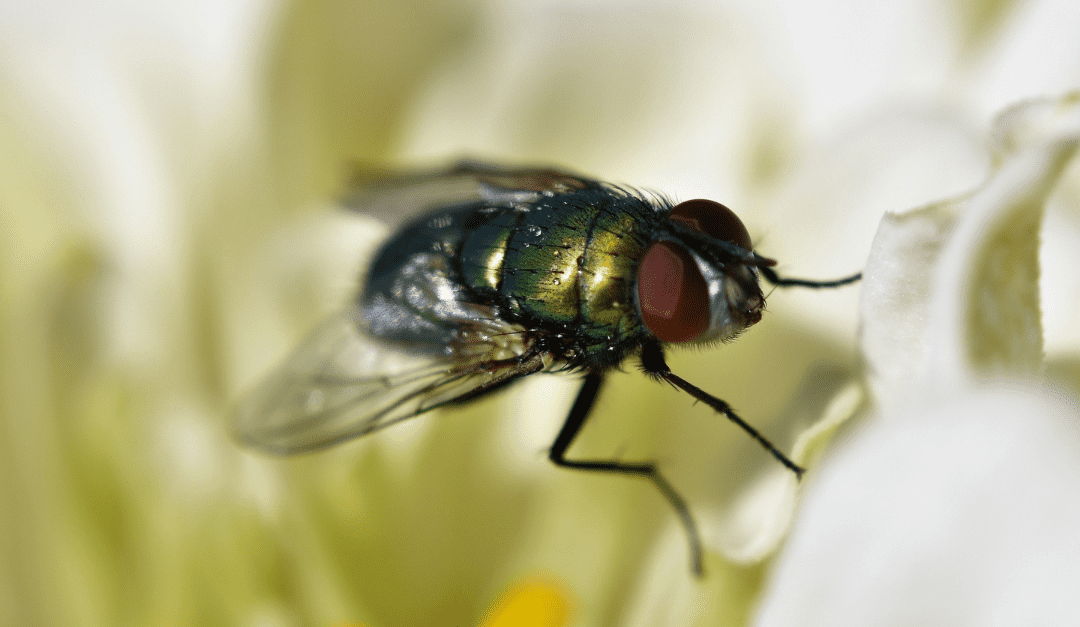
Flies are more than just a buzzing nuisance—they can spread germs and interrupt your daily comfort. North Carolina’s warm, humid climate creates ideal conditions for flies to thrive, especially in the spring and summer. The good news? With a few practical steps, you can prevent them from taking over your space. Here are straightforward prevention tips to help keep flies out of your North Carolina home.
Keep Flies Out Of Your North Carolina Home
Why Flies Are a Common Problem in North Carolina
North Carolina’s heat and humidity accelerate fly reproduction, making infestations more likely during warmer months. Outdoor activities like grilling, gardening, and composting increase the chance of fly exposure, especially when food or waste is involved.
5 Ways to Keep Flies Out Of Your Home
1. Keep Your Home Clean
Flies are drawn to smells, moisture, and food sources. Reducing attractants is the first line of defense.
Cover food and drinks
Keep food covered during preparation and mealtime
Store leftovers in sealed containers
Take out the trash regularly
Use bins with tight-fitting lids
Clean garbage cans periodically to remove residue
Clean drains and sinks
Flush kitchen and bathroom drains with baking soda and vinegar
Avoid letting food particles or debris sit in the sink
2. Seal All Entry Points
Small gaps in your home can become open doors for flies. A few quick checks can reduce entry opportunities.
Inspect and repair window screens
Patch tears or replace damaged mesh
Seal gaps and cracks
Apply caulk or weather stripping around windows, doors, and vents
Add door sweeps
Install sweeps under exterior doors to close off gaps at floor level
3. Use Household Fly Repellents
You can make your home less appealing to flies using items already in your pantry or cabinets.
Essential oil spray
Combine peppermint, eucalyptus, or citronella oil with water
Spray around windows, counters, and doorways
Herb sachets
Use dried basil, cloves, or lavender in small breathable bags
Place in kitchen corners or near trash bins
Apple cider vinegar trap
Fill a bowl with apple cider vinegar and a few drops of dish soap
Leave it on the counter to attract and trap fruit flies
4. Maintain Your Yard
Your outdoor environment plays a major role in keeping flies away from your home’s entrance.
Keep grass and shrubs trimmed
Eliminate overgrown areas that trap moisture
Manage compost and pet waste
Use sealed compost bins
Clean up pet waste promptly
Remove standing water
Check birdbaths, buckets, and clogged gutters regularly
Drain or refresh any water sources that collect in your yard
5. Add Barriers and Traps Outdoors
Preventing flies from gathering around your porch or patio helps reduce the number trying to come inside.
Hang fly strips
Place around doorways and outdoor eating areas
Use outdoor fans
Flies struggle to fly in strong breezes
Use fans on patios or porches to create airflow
Install screen enclosures
Consider screened porches or deck areas to enjoy being outside without inviting pests in
When to Call a Pest Control Professional
Sometimes, even the best prevention efforts aren’t enough to keep flies out. If you’re experiencing:
Frequent indoor fly sightings
Signs of breeding (clusters of flies or larvae)
Ongoing issues despite your efforts
…it may be time to bring in a professional. Reach out to a local pest control provider in North Carolina who can assess the situation and recommend a targeted solution based on your home’s needs.
A Quick Recap
To help prevent flies in and around your North Carolina home:
Keep food covered and your kitchen clean
Seal up cracks, windows, and door gaps
Use common household ingredients to deter flies
Maintain your yard and eliminate breeding zones
Set up traps and barriers to reduce fly activity outdoors
If flies continue to be a problem despite your efforts, call your local pest control team for expert support.
North Carolina’s warm, humid climate often invites flies into homes, creating a frustrating problem. Thankfully, you can significantly reduce the risk of fly infestations with these five practical steps.
Preventing Fly Infestations
1. Keep It Clean
Flies are drawn to food and waste, so maintaining cleanliness is crucial.
Wipe down surfaces and clean up spills promptly.
Dispose of trash frequently and use bins with tight lids.
Wash dishes right after use or load them into the dishwasher.
2. Seal Entry Points
Flies can slip through even the smallest cracks.
Fix damaged screens and weatherproof doors and windows.
Seal gaps and cracks in walls, ceilings, or foundations using caulk.
3. Manage Outdoor Areas
Outdoor breeding grounds often lead to indoor fly issues.
Secure trash bins and keep them away from windows or doors.
Clear leaves, grass, and organic debris from your yard.
Pick up pet waste regularly to limit attractants.
4. Reduce Attractants
Target what draws flies in to make your home less inviting.
Store food in sealed containers and keep ripe fruit refrigerated.
Clean out drains where flies can breed.
Use yellow-tinted bulbs for outdoor lighting, which are less appealing to flies.
5. Use Preventative Options
When flies persist, add extra measures to stop them.
Place fly traps indoors and outdoors to reduce their presence.
Set up fans near entry points; the breeze deters flies.
Reach out to pest control professionals if problems persist for long-term solutions.
A Fly-Free Home
By combining cleanliness, proper sealing, and proactive outdoor maintenance, you can create an environment that flies find hard to thrive in. Take these steps to keep your home more comfortable and pest-free! Reach out to your local pest control company for expert tips.
Call us or click the button below to get started with a FREE pest control quote!
Flies are one of the most common pests found in homes. They are not only annoying but can also carry harmful bacteria and diseases. Fortunately, there are several things you can do to prevent them from entering your home in the first place. Let’s discuss three different types of flies you might find in your North Carolina home and some tips on how to prevent them.
House Flies
House flies are the most common type of fly found in homes, hence the name. These pests are typically gray in color and measure around 1/4 inch in length. They are attracted to rotting food, garbage, and other organic waste, and they can carry diseases like salmonella and E. coli.
How to Prevent House Flies:
To prevent house flies from entering your home, it’s important to keep your kitchen and living areas clean and free of food waste. Keep your garbage cans tightly sealed and dispose of trash regularly. Make sure to clean up any spills or crumbs immediately and avoid leaving food out on counters or tables.
Fruit Flies
Fruit flies are small, brownish-yellow flies that measure around 1/8 inch in length. They are commonly found in kitchens and are attracted to ripe or rotting fruit and vegetables. These pests are not harmful to humans, but they can be very annoying.
How to Prevent Fruit Flies:
To prevent fruit flies from infesting your home, it’s important to keep your fruit and vegetables stored in the refrigerator or in sealed containers. Be sure to dispose of any overripe or rotting produce and keep your kitchen clean and free of spills and crumbs.
Drain Flies
Drain flies, also known as moth flies, are small, black flies that measure around 1/8 inch in length. They are commonly found in bathrooms and kitchens, and they are attracted to damp, organic matter like hair, soap, and grease. Drain flies can carry harmful bacteria, so it’s important to get rid of them as soon as possible.
How to Prevent Drain Flies:
To prevent drain flies from taking over your home, it’s important to keep your drains clean and clear. You can do this by pouring a mixture of baking soda and vinegar down your drains, followed by hot water. Avoid pouring grease or oil down your drains, and fix any leaks or drips that may be contributing to excess moisture.
If you begin to notice flies in your home, be sure to take action quickly to get rid of them by calling your local pest control company for a free inspection.