How to Protect Your North Carolina Garden from Common Pests – The Green Way
September in North Carolina brings a unique mix of warm days, cooler nights, and lingering humidity. This transitional weather creates the perfect stage for garden pests to make a final push before winter, threatening your hard work just as harvest season arrives. The good news is you can manage pests with methods that protect your plants and support the beneficial insects that keep our state’s ecosystem thriving.
Sustainable pest management not only produces long-term results but also nurtures the health of your soil, plants, and local wildlife. By applying eco-friendly strategies tailored to North Carolina’s climate, you can keep your garden productive while contributing to the environment.
Understanding September Pest Pressure in North Carolina
Many pests become more active in September as they complete their reproductive cycles before cooler months. Warm days and cooler nights, paired with fluctuating humidity, can stress plants while creating ideal conditions for garden pests like aphids, spider mites, cucumber beetles, and caterpillars. Fungal diseases also flourish in these conditions, fueled by morning dew and temperature swings. Knowing these seasonal patterns allows you to take action before issues escalate.
Building Healthy Soil as Your First Defense
Healthy soil supports strong plants that naturally resist pests. Robust plants produce compounds that repel damaging insects and attract beneficial species.
Organic Matter Enhancement
Incorporate compost, aged manure, and leaf mold into garden beds to improve soil structure and nutrient balance. This helps beneficial microorganisms compete with harmful pathogens while slowly releasing nutrients throughout the season. North Carolina’s clay-heavy soils benefit especially from these additions, which boost drainage and root growth.
Natural Soil Amendments
Introduce mycorrhizal fungi to extend root systems and improve nutrient uptake. Supplement with rock dusts like kelp meal or granite dust for trace minerals that enhance plant health and pest resistance.
Strategic Companion Planting for Garden Pest Control
Certain plants work better together, offering natural pest deterrence and attracting allies like predatory insects.
Aromatic Herb Barriers
Plant basil, oregano, and thyme around tomatoes to deter hornworms and other pests. Marigolds help suppress nematodes and repel unwanted insects, with French marigolds being especially effective.
Beneficial Insect Attractors
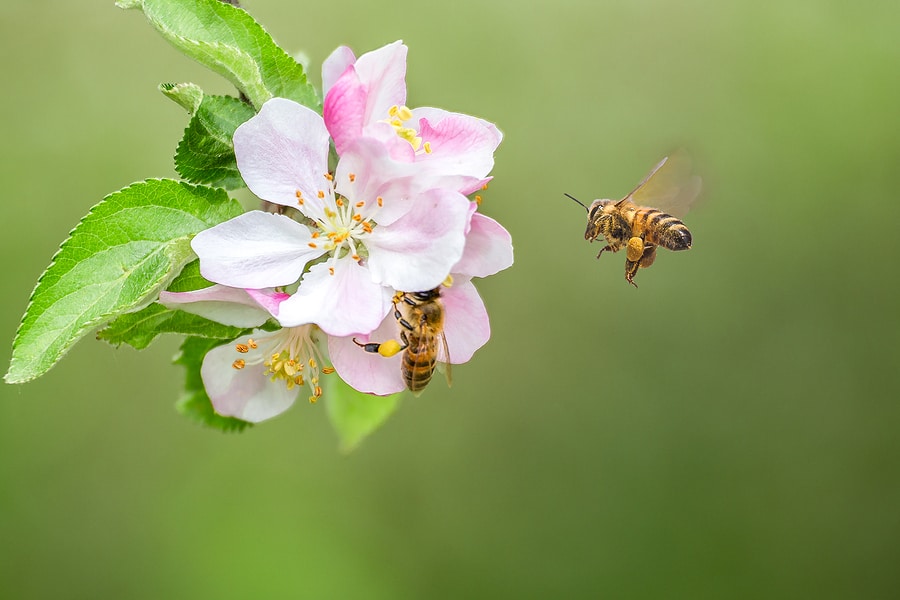
Include perennials such as purple coneflower, black-eyed Susan, and wild bergamot to provide nectar and pollen for predatory and parasitic insects. Herbs like dill and fennel attract beneficial wasps that target caterpillars and other garden pests.
Natural Garden Pest Control Solutions
Organic Spray Applications
Neem oil can control aphids, spider mites, and caterpillars without harming helpful insects when used correctly. Soap-based sprays made from pure castile soap are effective against soft-bodied pests, and essential oil sprays with peppermint or rosemary can deter a variety of insects.
Physical Barriers and Traps
Floating row covers protect crops from flying pests while allowing air and light through. Sticky traps help monitor and reduce pest populations, while copper barriers deter slugs and snails.
Encouraging Beneficial Wildlife
Creating Habitat Diversity
Plant native grasses, shrubs, and trees that provide shelter and overwintering spots for helpful species. Add water sources like birdbaths for pollinators and beneficial insects. Leave a few undisturbed garden areas for ground-dwelling predators such as spiders and beetles.
Integrated Management Approaches
Rotate crops to disrupt pest cycles, and time plantings to avoid peak pest periods. Regular inspections—especially under leaves and near growing tips—help you address problems early using natural methods.
Seasonal Maintenance Strategies
Remove diseased plant material promptly, compost healthy debris, and apply mulch to conserve moisture, deter weeds, and create habitats for beneficial insects.
By working with nature through soil health, companion planting, and natural pest deterrents, you can keep your garden thriving through September and beyond. For more complex garden pest challenges, local garden experts can help ensure your plants stay healthy and productive year after year. Contact a local pest control company for help managing your garden pests.