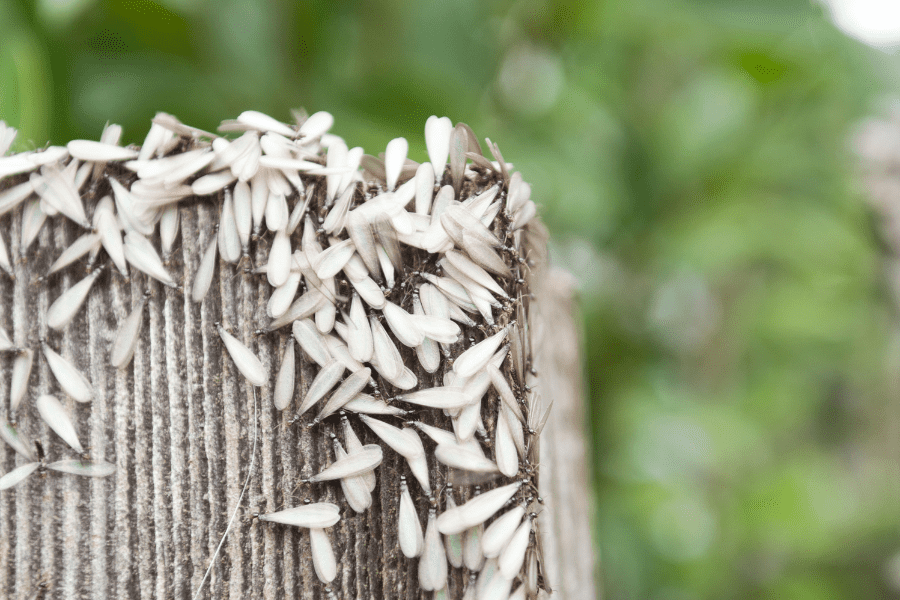
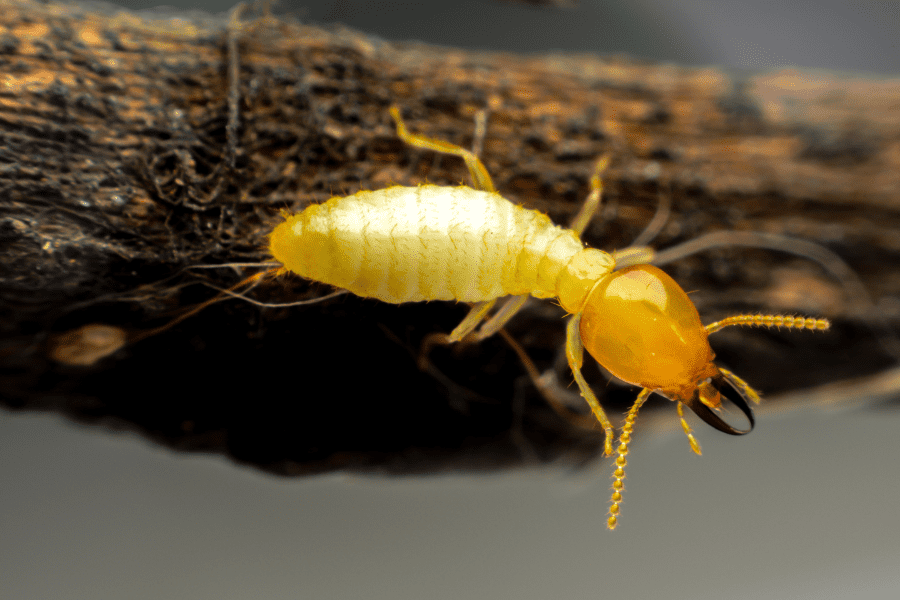
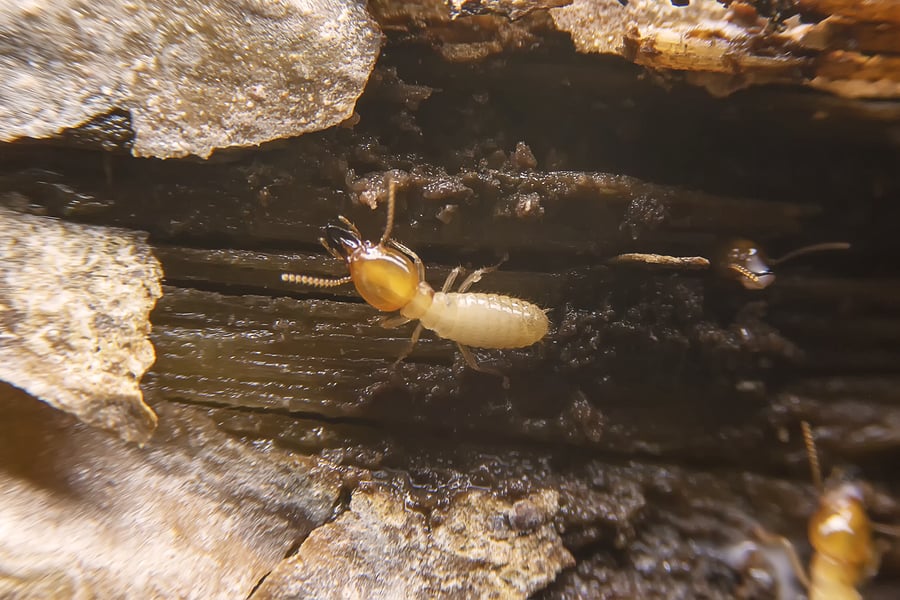
Once the cold weather begins to creep away is when we should begin to see swarming termites. Especially after a big rainfall, mature winged adults will swarm from their original nesting site in hopes of forming new colonies. The most common termite you will see swarming is the Eastern subterranean termite, which is native to North Carolina. Here are some fast facts about these termites:
They live below ground
Their main source of food is woody materials, like tree stumps
They appear long, narrow, and oval with a creamy white to dark brown color
Why do Termites Swarm?
Swarming is beneficial when creating new colonies. Termites swarm after a colony has reached a certain capacity and is ready to expand. This normally happens once per year for most colonies. Hundreds or even thousands of swarmers, also known as alates, are produced with the sole purpose of reproduction and expansion.
Where does it Usually Occur?
Swarming can occur indoors or outdoors. They cannot survive indoors because of the lack of soil to colonize. If found indoors, they are usually found near windows and light fixtures as they are attracted to light. Whether indoors or outdoors, they usually can’t cause damage. As swarmers, they can’t bite, sting, or chew. The presence of swarms indicates that a colony is nearby, though; so, although the swarmers can’t cause damage, the nearby colony can.
How to Prevent Termites:
Getting rid of water sources by eliminating or reducing standing water around your home.
Repairing any leaky faucets, pipes, and air conditioners.
Removing any tree stumps from your property.
Keeping firewood stored at least 20 feet away from your home and elevated off the ground.
Scheduling an annual termite inspection of your home and property to help detect termite problems early before they can cause significant damage.
If you begin to see swarming termites and aren’t sure if your home has become infested, be sure to give your local termite control company a call and they can inspect your property and set up a proactive termite control plan.
Termites can be active well into the fall and winter months. They will typically find themselves digging a little deeper to keep warm. If they make their way into your home, then they don’t have a need to burrow deeper, as your home is already providing enough warmth for the winter.
Continuing termite control into the cooler months will help to protect your home up until spring begins again. Be sure to keep up with termite control to lessen the chance of termites swarming in the spring and summer months.
Regardless of the season, there are common signs of termite infestations to look for in your home, including:
Noises: Beyond visual cues of termites being nearby, you can sometimes hear them! Once a colony becomes large and more established you can sometimes begin hearing clicking or knocking sounds behind your walls.
Swarms: This is the earliest sign of termites. In late spring or early summer, termites will begin emerging to reproduce to establish new colonies. If you begin to see swarmers, that usually means a colony is nearby.
Wood Damage: It could be your window, door, or floor that is impacted. Sagging floors will usually indicate a more established colony. If a door or window doesn’t close properly, it could also indicate termites.
Mud Tubes: If you begin seeing mud tubes around your property, it typically means termites are close by. The tubes are used as protection and also help to retain moisture, which is vital for termites.
If you suspect you have a termite problem or want to stay proactive against them, reach out to your local pest control company to receive a free termite inspection and discover the best plan of action perfect for you and your home!
Household pests are any undesired animal that has a history of living, invading, causing damage to, eating food from, acting as a disease vector for, or causing any other harm to a human habitat. While many are just considered a nuisance, some household pests can become dangerous as they pose a risk to health, property, and lifestyle. Also, household pests aren’t just limited to insects. They include arachnids, rodents, and wildlife.
While household pests can be found year-round, some are more common in the summer months. Here are four of the most common summer pests and how you can prevent them.
Mosquitoes
Mosquito season peaks during the summer months. Mosquitoes are able to reproduce in large numbers due to the warm weather and humid environments that accelerate their life cycle. If you have standing water on your property, you will most likely see mosquitoes since this is where they lay their eggs. Mosquitoes can be dangerous to humans as they carry pathogens that can cause serious diseases such as Zika and West Nile virus.
Mosquitoes can be prevented by:
Wearing clothing that covers your arms and legs
Eliminating areas of standing water
Repairing or replacing torn window screens
Applying insect repellent
Ants
Ants hibernate in the winter and come out in full force during the summer. Ants are usually seen indoors during the summer because they’re searching for food and water as these can become scarce for them. They are also building up their reserves for the fall and winter months.
Ants can be prevented by:
Keeping your home clean, especially the kitchen
Not leaving pet food and water bowls outdoors
Sealing cracks and holes in your home’s exteriors
Keeping trees and shrubs trimmed away from the house
Termites
Termite swarming season is in the spring, but these newly established colonies grow exponentially in the summer. Termites can go long periods of time undetected. This allows them to cause significant damage to your home. It’s important to keep an eye out for signs of termites so you’re able to catch them early.
Termites can be prevented by:
Eliminating wood to soil contact around foundations
Keeping plants a few feet away from your home
Fixing leaks and eliminating any other sources of excess moisture
Having an annual termite inspection performed
Flies
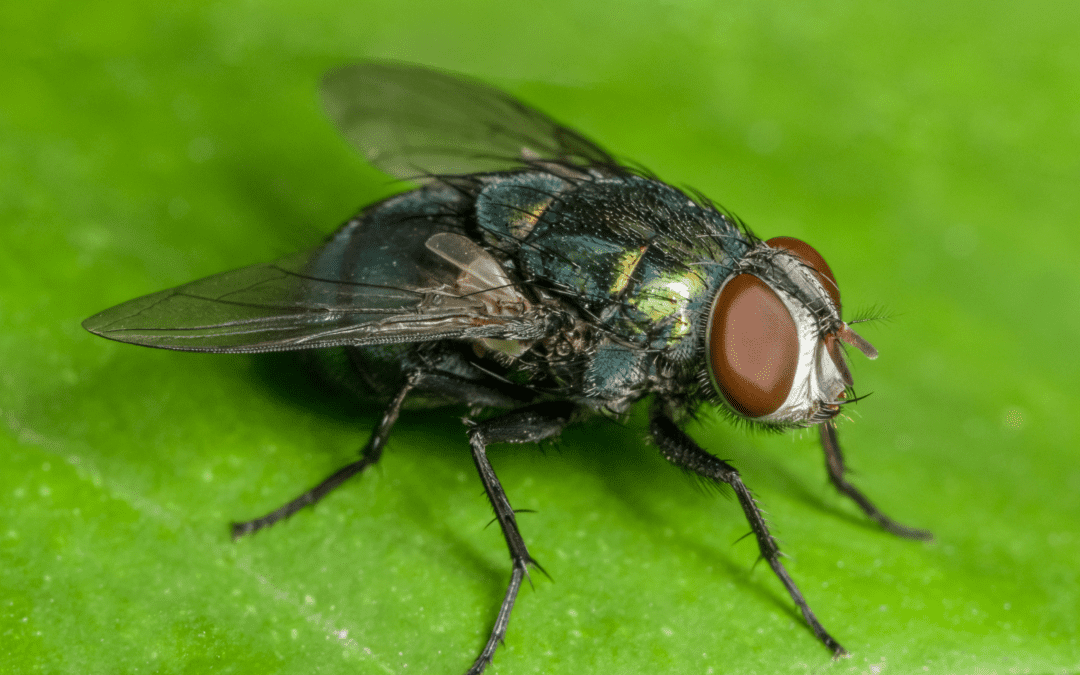
Flies invade your home in the summer months to escape the heat. While they only reproduce during the hotter months, getting indoors allows them to do so even more prolifically.
Flies can be prevented by:
Keeping windows, doors, and vents sealed
Using garbage cans with tight fitting lids
Storing food in airtight containers
Not leaving dirty dishes out
Turning off outdoor lights at night
Don’t let these common pests ruin your summer. If you have a problem with any of these pests, contact your local pest control company. They will be able to help eliminate them safely and prevent them going forward.
It’s estimated that termites cause billions of dollars worth of damage annually in the United States. While they primarily feed on wood, they can also damage books, insulation, and swimming pool liners and filters. They like to wreak havoc on trees, shrubs, and plants that are in bad health. Termites can infest buildings at any time. This can be particularly troublesome when buying or selling a home. A termite inspection and report are usually required as a condition of sale of a home.
Signs of Damage
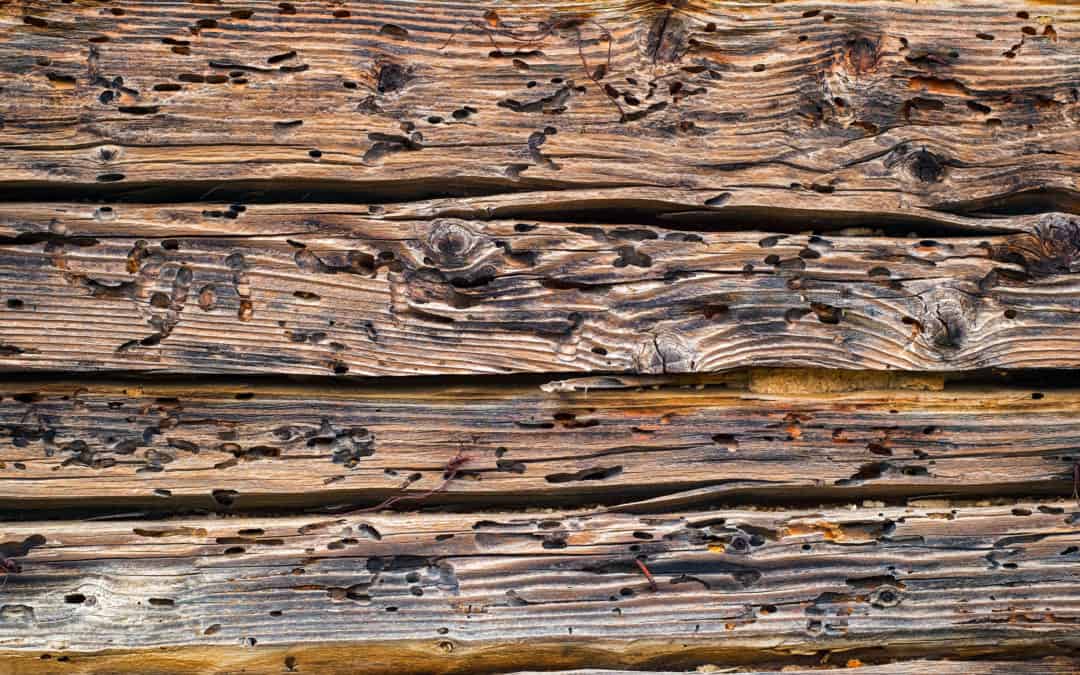
When signs of termite damage surface, the infestation has often been there for years with extensive damage already sustained. Some signs of termites in your home include:
A hollow sound made by tapping on wood with a heavy object
Painted walls that bubble and peel
Small entry holes where they tunnel through drywall
Buckling ceiling and walls
Appearance of water damage
Maze-like designs in wood structures
Mud tunnels on foundations
Significant damage from termites can have an effect on the structural integrity of your home and can even cause ceilings and floors to collapse. Termites can also ruin furniture and flooring.
Damage Costs
One question that many homeowners have is if termite damage is covered under a homeowner’s insurance policy. Unfortunately, in most cases the answer is no. Homeowner’s insurance typically does not cover termite damage or removal because it can usually be prevented through routine home maintenance. However, you should always check with your insurance provider to see what you are and aren’t covered for.
Prevention
Termites can be prevented with scheduled periodic professional inspections which can help identify signs of infestations early. This can help keep repair costs down and the damage to a minimum. Any professional termite control plan should eliminate termites, prevent future termite infestations, and prevent termite damage. If you suspect that you have a termite problem or want to have an inspection done, contact your local pest control company.
Buying a home is a major investment. For most homeowners, a lot of time is spent repairing and renovating their home to their liking. However, owning a home can also come with a lot of unexpected problems that can be costly to repair, such as termite damage. Termites can colonize homes and cause significant undetected destruction over a long period of time. Most of the time, it costs thousands of dollars to repair their damage. Unfortunately, the infestations can sometimes be exacerbated by the homeowner. Below, we’ll explain what you need to know to make sure you aren’t attracting termites.
Improper Drainage
One of the most common reasons why you may have a termite infestation is due to improper drainage around your home. Subterranean termites are attracted to moisture and need an abundant source of nearby water to survive. Debris can build up in your home’s gutters, and the excess moisture can soften your roof and cause it to rot. A downspout can help divert rainwater away from your foundation, and splash blocks can prevent the water from pooling.
Wood Mulch
The type of materials you use to landscape can attract termites, specifically mulch. Mulch is often used near and around homes, usually against the foundation. Unfortunately, it serves as a food source for termites as it retains moisture and attracts these pests right to the edge of your home. Try to minimize the use of wood mulch and keep it at least 15 inches from the foundation.
Moisture
Lack of airflow and leaking pipes contribute to moisture problems in the home and can create a perfect environment for termites. Eliminating any type of excess moisture inside of your home is a huge step in preventing termites. Consider enclosing your crawlspace to prevent termites and improve the overall health of your home. Doing so will reduce the moisture, decrease humidity, lower utility bills, and prevent mold and wood rot.
If you’ve taken the necessary steps in preventing termites but still suspect that you have a problem, call your local pest control company to help. They can help set you up with a termite inspection and termite control and prevention plan.