
Why October Is Peak Season for Smoky Brown Cockroaches in North Carolina
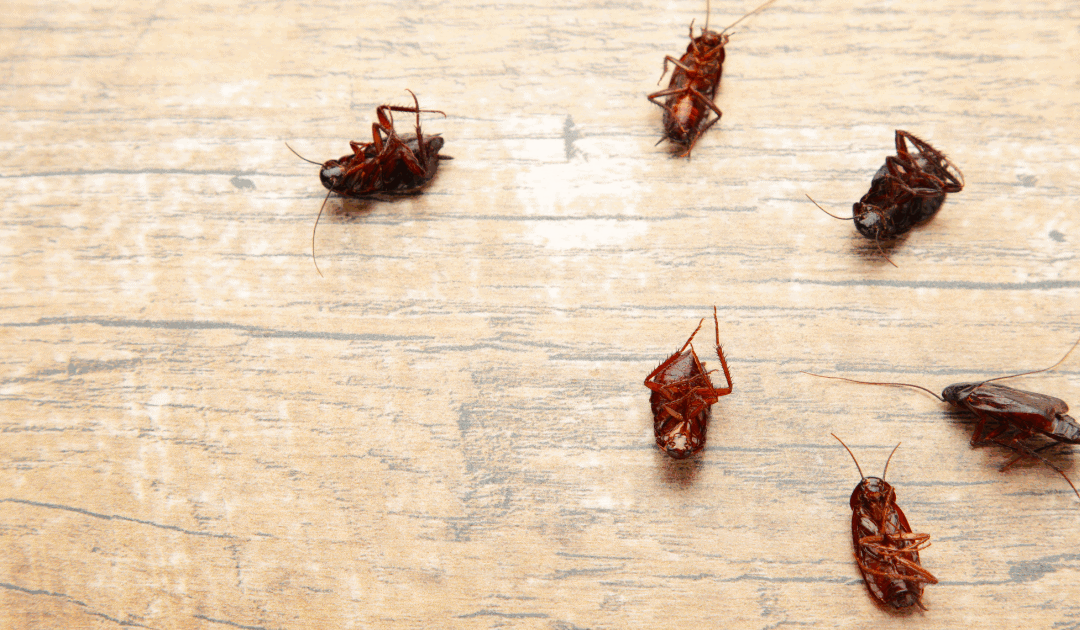
As fall settles across North Carolina, homeowners often notice an unwelcome increase in pests, especially smoky brown cockroaches. While typically an outdoor species, October is prime time for these roaches to move indoors, seeking warmth and moisture as temperatures drop. Understanding their behavior is the first step toward keeping them out of your home.
This guide explains why smoky brown cockroaches are more active in October and offers practical prevention tips to protect your property.
Understanding Smoky Brown Cockroach Behavior
Smoky browns are large, dark brown to mahogany cockroaches that thrive outdoors in warm, moist environments such as mulch beds, woodpiles, leaf litter, and gutters filled with debris.
In October, dropping nighttime temperatures trigger their search for overwintering sites. Your home—with its heated interior, plumbing, and sheltered spaces—is the perfect target. Strong fliers and attracted to lights, these cockroaches often enter through open doors, windows, or small structural gaps.
Risks Associated with an Infestation
Contamination and Health Concerns
While smoky brown cockroaches don’t bite, they can carry bacteria and germs from unsanitary areas, contaminating food surfaces, utensils, and stored items. Their droppings and shed skins can also trigger allergic reactions and asthma, especially in children and sensitive individuals.
A Sign of Deeper Problems
Indoor infestations often signal underlying moisture issues, such as leaky pipes, clogged gutters, or poorly ventilated crawl spaces. Fixing these conditions while addressing the infestation protects both your home and your health.
Prevention: Your First Line of Defense
Seal Entry Points
Inspect your home’s exterior and seal cracks and gaps in the foundation, around windows, and where utility lines enter. Install weather stripping on doors, repair screens, and cover vents or drains with fine mesh.
Reduce Moisture and Harborage Sites
Make your property less appealing by cleaning gutters, directing downspouts away from the foundation, storing firewood away from the house, and removing leaf litter or organic debris. Improve ventilation in crawl spaces and attics to reduce damp areas.
Modify Exterior Lighting
Since smoky browns are attracted to lights, consider switching to yellow or sodium vapor bulbs, which draw fewer insects.
Sometimes You Need an Expert
Smoky brown cockroaches often hide in hard-to-reach areas, making an established infestation difficult to fully address with DIY methods. When prevention measures aren’t enough, a pest control professional can help identify entry points, locate harborage areas, and suggest a targeted plan to manage the population effectively.
Having expert guidance ensures the problem is addressed as soon as possible and thoroughly, giving homeowners confidence that their home is protected as the cooler months arrive.