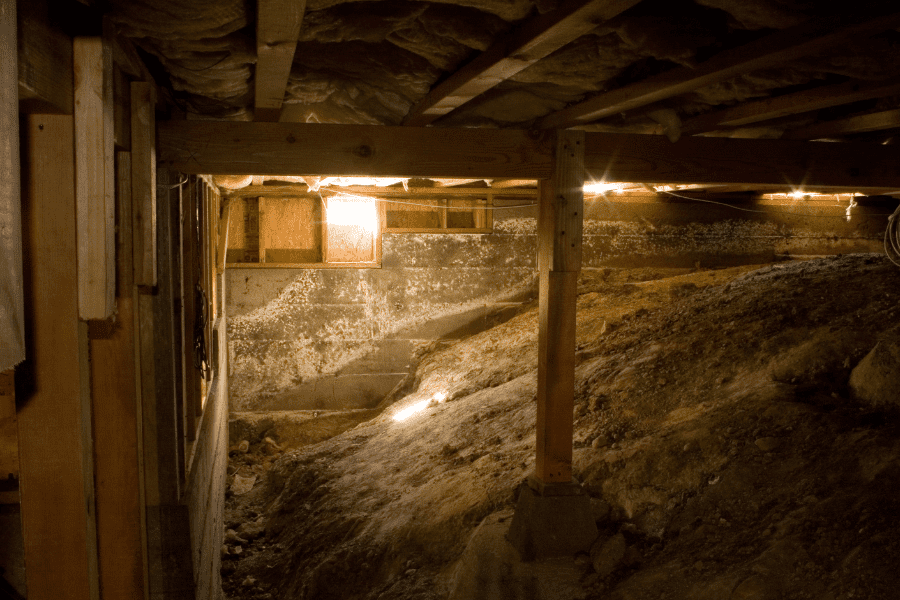
Once the winter hits North Carolina, the last thing you want to deal with is a cold home! With temperatures dropping, it’s important that your heating systems are ready, and your home is prepared to weather the cold. If not, you could be dealing with cold air and high energy bills. Crawl space enclosure in the winter provides a solution to both problems that many homeowners face.
North Carolina Crawl Space Enclosure Benefits
There are several benefits to enclosing your crawlspace. One that many look forward to is saving on their energy bill. The moisture in your crawlspace can affect the temperature inside the home, causing the HVAC unit or furnace to run longer to help keep your home warm, and in return uses more electricity. When you enclose your crawlspace, the moisture barrier acts as a sealant, which controls the moisture levels. This will ease the strain of your HVAC system to make your home more energy-efficient and save on energy bills.
Another great benefit of enclosing your crawlspace is preventing mold growth and odor. If left open, high moisture levels can cause unwanted growth, creating considerable damage to your home, posing a health risk to your family, and potentially causing an odor throughout your home.
An unsealed crawlspace is an open invitation to pests looking for shelter, food, and water. Once inside, these pests can cause damage and present a health risk to your home and family. After the crawlspace enclosure installation is complete, the moisture barrier can help eliminate entry points for these pests to infest, providing you with another avenue of pest control.
Consider calling a pest control company near you for a crawlspace enclosure inspection and quote to stay warm and pest-free in the winter!
With the holidays here, it’s time to take all the decorations out of storage and make the house jolly again! Hopefully, you aren’t discovering pests in your storage of choice. There are some ways to ensure that pests cannot get a hold of your holiday decorations; let’s break it down:
Storage Containers – Avoid using cardboard boxes when packing away your holiday décor. Cardboard absorbs moisture and can be an attractive home to pests and rodents. Instead, use plastic containers with tight-fitting lids.
Tree and Wreath Bags – When packing your wreaths and artificial trees away, be sure to utilize zippered bags. These bags can repel moisture and will keep pests away!
Handmade ‘Edible’ Décor – Orange sliced garlands, gingerbread houses, or cookie cutout ornaments should only be enjoyed for one season. Be extra cautious packing them up as they attract rodents and pests.
Keep Storage Areas Clean – If you utilize your attic as a storage area, inspect the space first for any signs of pests as you are taking items out and putting them away. Likewise, if you utilize an unfinished basement or any closet in the home, investigate for pest signs. It’s always a good time to inspect your interior.
Enjoy a pest-free holiday season with these easy DIY pest control tips. If the problem is bigger than you can handle, be sure to reach out to your local pest control company, and they will be able to provide a free inspection.
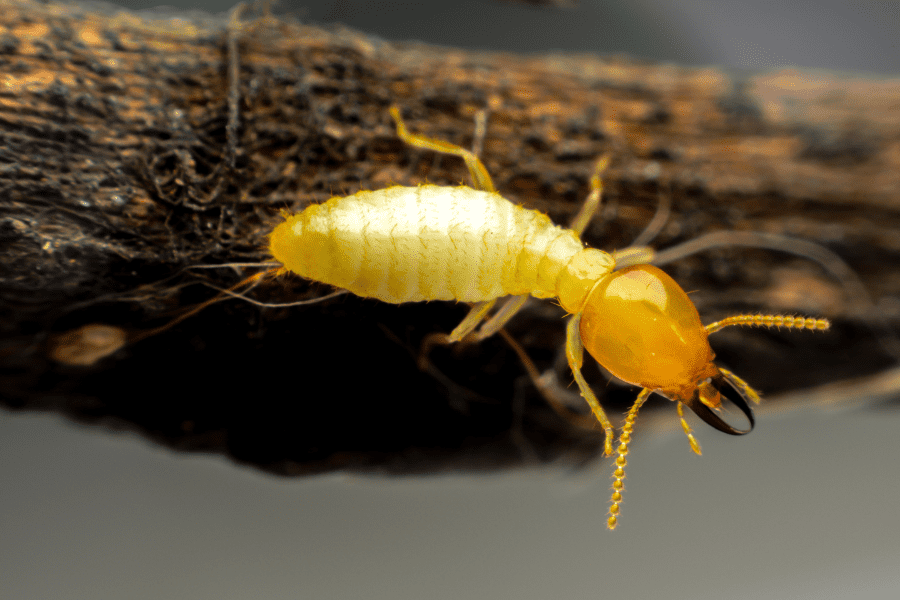
Termites can be active well into the fall and winter months. They will typically find themselves digging a little deeper to keep warm. If they make their way into your home, then they don’t have a need to burrow deeper, as your home is already providing enough warmth for the winter.
Continuing termite control into the cooler months will help to protect your home up until spring begins again. Be sure to keep up with termite control to lessen the chance of termites swarming in the spring and summer months.
Regardless of the season, there are common signs of termite infestations to look for in your home, including:
Noises: Beyond visual cues of termites being nearby, you can sometimes hear them! Once a colony becomes large and more established you can sometimes begin hearing clicking or knocking sounds behind your walls.
Swarms: This is the earliest sign of termites. In late spring or early summer, termites will begin emerging to reproduce to establish new colonies. If you begin to see swarmers, that usually means a colony is nearby.
Wood Damage: It could be your window, door, or floor that is impacted. Sagging floors will usually indicate a more established colony. If a door or window doesn’t close properly, it could also indicate termites.
Mud Tubes: If you begin seeing mud tubes around your property, it typically means termites are close by. The tubes are used as protection and also help to retain moisture, which is vital for termites.
If you suspect you have a termite problem or want to stay proactive against them, reach out to your local pest control company to receive a free termite inspection and discover the best plan of action perfect for you and your home!
A common term used to describe pests and how they survive the colder temperatures is overwintering. These types of pests will often seek warmth and shelter in homes and buildings because of the comfort they offer. Overwintering pests don’t cause any harm to you or your home but can become a nuisance if they begin to infest. Here are some common overwintering pests and some easy do-it-yourself tips to keep them outside of your house.
Lady Bugs
These well-known pests are harmless and are deemed beneficial. They will often consume plant-eating insects such as aphids, mites, and scale insects, all of which can harm crops and plants in gardens; although, if you find lady bugs invading your home, they can become difficult to get rid of.
Boxelder Bugs
This type of overwintering pest is considered a little more aggressive than others. If they puncture your skin, it can cause a slight irritation, but nothing to worry about. Other than that, boxelder bugs are harmless, but can become a nuisance if they choose to infest.
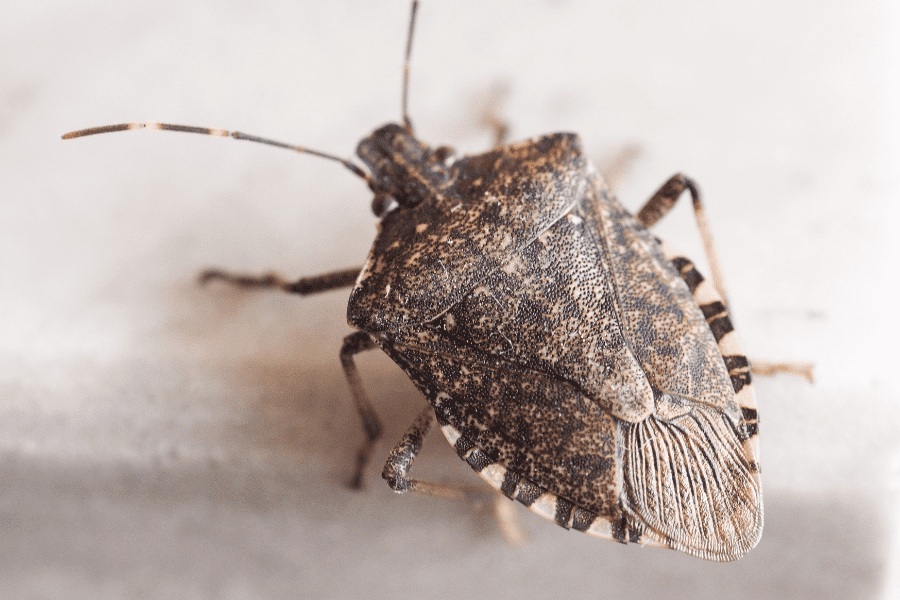
Stink Bugs
These pests can infest homes in large numbers, especially beginning in the fall time. Stinkbugs are attracted to your home due to the warmth that it provides. They can usually find their way indoors through any exterior entry points.
Overwintering Pest Prevention
Keep your home protected this winter with these tips for preventing overwintering pests:
Clean up your yard by raking, keeping the grass cut short, and picking up debris in the yard.
Seal or caulk all cracks and crevices around house foundations, siding, doors, windows, electrical, and plumbing.
Use tight-fitting insect screens on foundations and attic vents.
If you begin to see an overabundance of overwintering pests, then reach out to your local pest control company to create a customized plan of action.
Due to the moderate weather found in North Carolina, spiders are able to thrive. With many different species of spiders living in the state, only two are found to be harmful to humans. The two associated with biting humans are the black widow and the brown recluse. If not cared for correctly, a bite from these spiders can result in death. Luckily, it’s very rare to be bitten by these two arachnids. You’re bound to encounter many other species, let’s break down the popular spiders found in North Carolina.
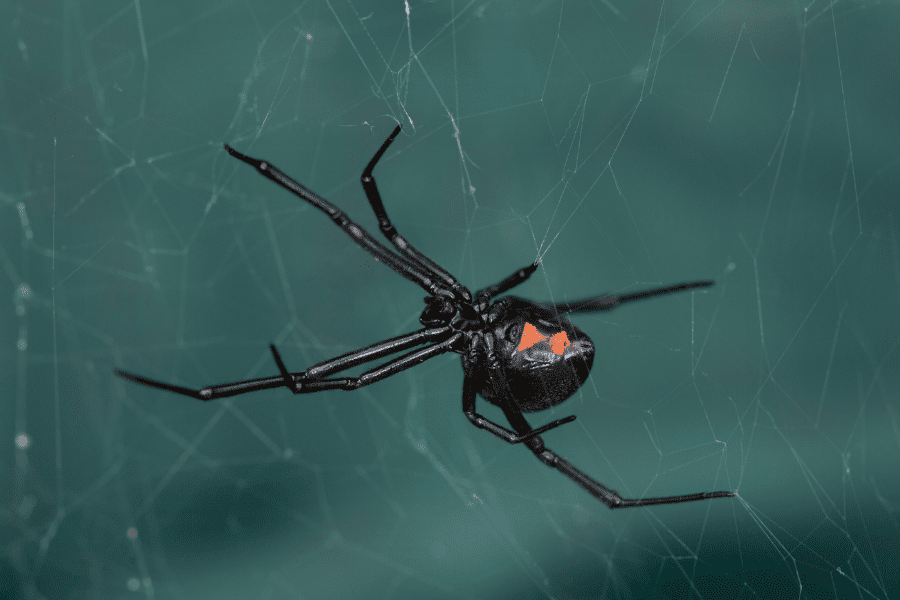
Black Window
The black widow spider is one of the most venomous spiders in North America. They have a shiny, black body with a red hourglass shape on their underside. They usually live in woodpiles, under rocks, or around homes, and are sometimes found in garages. They will, unfortunately, bite humans if they feel threatened, but luckily their venom isn’t life-threatening to most people.
Brown Recluse
This well-known venomous spider is found in most southern states and North Carolina is one of its home states. They appear light to dark brown and have a violin-shaped marking on their head. Mostly found living in woodpiles, under rocks, or around homes, they tend to stay away from people, hence their name, and prefer dimly lit areas, such as basements or attics. They are typically not aggressive and will only bite if they feel threatened.
Wolf Spider
These spiders are common here and can be found living under rocks, in tall grass, or near our homes. They are dark brown with white markings on their heads and abdomens. They are known to be one of the larger species found in homes, growing up to two inches long. Their bites are harmless, and it will usually only happen if they feel threatened.
Cellar Spider
Being one of the most common spiders found in North Carolina, these small, long-legged creatures can grow up to one inch long. They appear to have a dark brown body with light yellow markings on their abdomen. They can live indoors and outdoors. They are known to be a more beneficial type of spider to keep in your home because they keep populations down of other pests, including other spiders.
If you think you have a spider problem evolving in your home, feel free to reach out to your local pest control company and we can create a customized solution.