If you’ve ever dealt with ants in your kitchen or spiders in your basement, you know how frustrating pest problems can be. In Burlington, NC, the warm climate and seasonal changes make residential pest control a year-round priority. Whether you’re dealing with roaches, rodents, or mosquitoes, prevention is your best defense. Here are practical tips to help you avoid common pest issues and keep your home pest-free with pest control near me.
Pest Control Near Me: 7 Tips For Success
1. Seal Entry Points
Pests often enter homes through small cracks, gaps in window frames, or around doors and utility pipes. Carefully inspect your home’s exterior and seal any openings with caulk or weather stripping. This simple step can block many pests from ever making it inside.
2. Keep a Clean Kitchen
Food and water attract pests like ants, cockroaches, and rodents. Clean up crumbs and spills immediately, store food in airtight containers, and take out the trash regularly. Pay special attention to pet food bowls and kitchen appliances where food particles tend to collect.
3. Eliminate Standing Water
Mosquitoes and other pests breed in standing water. Check your property for clogged gutters, leaky faucets, and birdbaths. Even small puddles or planter trays can become a breeding ground. Addressing moisture issues also helps prevent mold and protects your home from structural damage.
4. Maintain Your Yard
Your yard is the first line of defense against pests. Trim overgrown bushes, keep grass cut, and remove debris like woodpiles or leaf litter. These areas provide ideal shelter for insects and rodents. Keeping your landscaping tidy helps deter pests from nesting near your home.
5. Declutter Storage Areas
Pests love dark, undisturbed areas. Basements, attics, and garages that are cluttered with boxes or unused items make the perfect hiding spots. Organize these areas, use sealed plastic containers instead of cardboard, and vacuum regularly to prevent infestations.
6. Schedule Routine Pest Control Services
Even with preventive efforts, pests can sometimes slip through the cracks. That’s why scheduling regular pest control services from a local professional is a smart move. A licensed technician can spot early signs of pest issues and treat your home before they escalate into bigger problems.
7. Act Quickly When You Spot a Problem
If you see signs of an infestation—such as droppings, chewed wires, or unusual smells—don’t wait. Early intervention is key. Contact a provider for pest control near me to assess and address the issue promptly. Ignoring it can lead to bigger pest problems and costly damage.
Protect Your Home with Professional Help
Keeping your home pest-free is about more than just comfort—it’s about health, safety, and protecting your property investment. If you’re dealing with pests or want to prevent them before they start, our residential pest control experts in Burlington, NC are here to help.
Ready to stop pests in their tracks? Request a free quote today for expert pest control services that protect your home year-round. Give us a call or click the button below to get started!
Termites may be small, but the damage they can cause to your home is anything but. With warmer weather in spring and summer, these pests become more active, particularly in places like North Carolina where the climate is ideal for their colonies to thrive. Protecting your home from termites is essential to maintaining its structural integrity and avoiding costly repairs. This comprehensive guide to termite control near me will walk you through what you need to know about termites, how to identify early warning signs, and practical steps to keep them at bay this season.
Termite Control Near Me
What Are Termites and Why Are They a Concern?
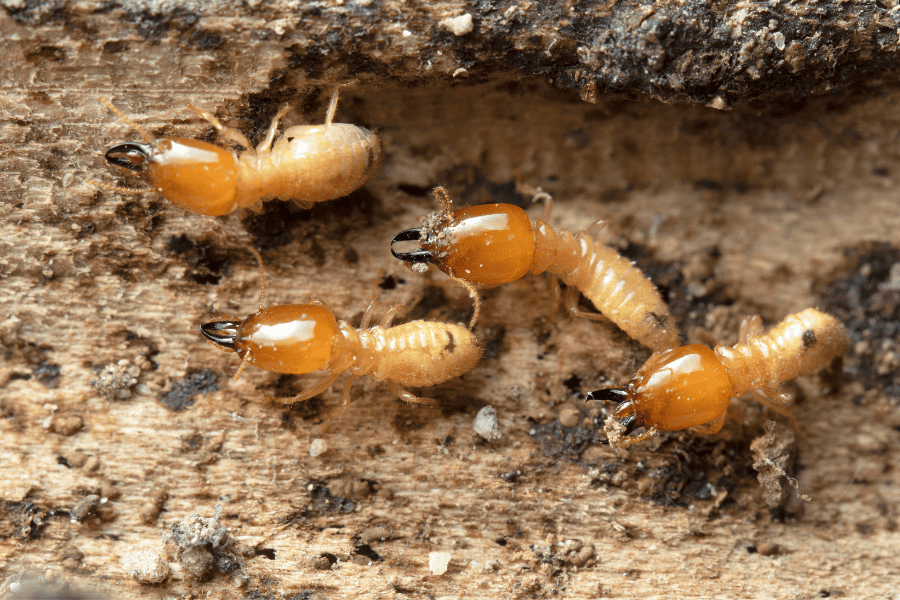
Termites are wood-eating insects that live in colonies and can chew through wooden structures, flooring, and even wallpaper. The most common types in North Carolina are subterranean termites, which thrive in moist environments and can silently damage your property. Unlike other pests, termites don’t just infest; they destroy.
What makes them particularly challenging is that their activity often goes unnoticed until significant damage has already been done. This means prevention and early detection are crucial for homeowners.
Why Spring and Summer Are Termite Seasons
Termites are most active during spring and summer due to the warmth and humidity that North Carolina provides. During these seasons, reproductive termites, also known as swarmers, search for new locations to establish colonies. If they find your home or yard hospitable, it could spell trouble.
Subterranean termites also require moisture to survive, making water sources such as leaky pipes, clogged gutters, and standing water attractive to these pests. The combination of environmental factors and increased termite activity makes spring and summer critical times for homeowners to take preventive action.
How to Protect Your Home from Termites
1. Recognize the Warning Signs
Early detection is key to avoiding termite damage. Look out for these common signs of termite activity:
Discarded Wings: Reproductive termites shed their wings after swarming. You may find piles of wings near windows, doors, or light fixtures.
Mud Tubes: Subterranean termites create pencil-width mud tubes to travel between their colony and food sources. These tubes are often found along the foundation of your home or in crawl spaces.
Hollow-Sounding Wood: Tapping on wooden surfaces that sound hollow could mean termites have been feeding on the inside.
Droppings: Also known as frass, termite droppings look like small piles of sawdust or sand and may be found near affected wood.
If you spot any of these signs, it’s time to take immediate action.
2. Maintain a Termite-Unfriendly Yard
Keeping your yard tidy and less appealing to termites can go a long way in protecting your home. Here’s how you can do it:
Clear Debris: Remove any fallen branches, wood piles, or other debris close to your home’s foundation.
Store Firewood Away: If you rely on firewood, store it at least 20 feet away from your home and off the ground.
Trim Overgrown Plants: Make sure plants and shrubs are not directly touching your home, as they can create a bridge for termites to enter.
3. Manage Moisture Around Your Home
Since termites thrive in moist environments, moisture management is a simple yet effective strategy:
Fix Leaks Promptly: Repair any leaky faucets, pipes, or air conditioning units. Even small drips can create enough moisture to attract termites.
Redirect Water: Ensure that downspouts and gutters are properly directing water away from your home’s foundation.
Ventilate Crawl Spaces: Proper ventilation reduces humidity in crawl spaces, making them less inviting to termites.
4. Perform Regular Inspections
One of the best ways to stay ahead of termites is to inspect your home regularly:
DIY Spot Checks: Walk around your property and check for mud tubes, discarded wings, and other signs of termites.
Professional Inspections: Hire a trusted pest control service for annual inspections. Professionals can identify subtle signs of termite activity that may go unnoticed.
Taking Action Today Can Save You Tomorrow
When it comes to termites, being proactive is your best defense. By recognizing warning signs, managing moisture, maintaining your yard, and scheduling regular inspections with termite control near me, you can significantly reduce the risk of a termite infestation. Spring and summer are ideal times to take these steps to your home for years to come.
For homeowners in North Carolina, expert guidance in termite control is just a call away. Protect what matters most by contacting a local pest control professional who understands the unique needs of your region. Don’t wait for termites to make themselves at home in your home!
If you’re a homeowner in Burlington, NC, regular pest inspections should be part of your home maintenance checklist. Pests can quietly damage your property, trigger allergies, and pose health risks to your family. Whether you’re buying a new house or you’ve lived in yours for years, having your home inspected for pests can save you from major headaches—and expenses—down the line. One common question homeowners have is: what is the average pest inspection cost, and is it worth it? In this blog, we’ll cover the benefits of a pest inspection, what it typically includes, how much it usually costs, and how to prepare for one.
What Is a Pest Inspection?
A pest inspection is a thorough examination of your home and property by professional pest inspectors to identify signs of infestation or conditions that may lead to one. This includes checking for common household pests like termites, ants, roaches, rodents, spiders, and even wildlife, depending on the region and the company you hire.
During the inspection, a technician will evaluate both the interior and exterior of your home, including the attic, basement, crawlspaces, foundation, windows, doors, and roofline. You’ll typically receive a detailed inspection report outlining any findings, areas of concern, and recommended next steps.
Why You Should Get Your Home Inspected for Pests
1. Catch Problems Early
One of the biggest advantages of a pest inspection is early detection. Pests like termites can quietly eat away at wooden beams, compromising the structure of your home without any obvious signs. Rodents may chew on wiring, increasing the risk of electrical fires. Early detection allows for quicker, less expensive treatment before pests cause significant damage.
2. Protect Your Investment
Your home is likely your largest investment. Scheduling regular inspections with pest control companies ensures you’re maintaining its value and preventing costly repairs. Termites alone cause billions of dollars in property damage every year in the U.S. Avoid becoming part of that statistic with timely inspections.
3. Peace of Mind
Even if your home is pest-free, having it inspected provides peace of mind. Professional pest inspectors can identify vulnerable areas that may attract pests in the future. You’ll also know you’re doing everything possible to maintain a safe and healthy living environment for your family.
4. Help With Real Estate Transactions
If you’re buying or selling a home in Burlington, NC, a pest inspection can be critical. Many lenders require a Wood-Destroying Insect Report (WDIR) before approving a mortgage. A clean bill of health from a licensed inspector can also give buyers more confidence and help sellers close deals faster.
5. Tailored Treatment Plans
A pest inspection isn’t just about identifying problems—it’s also about crafting solutions. If pests are found, your inspector can provide treatment recommendations customized to your situation. Whether it’s bait stations, exclusion methods, or chemical treatments, you’ll get a plan that works for your home and budget.
What’s Included in a Pest Inspection?
Every company has its own process, but most pest control companies in Burlington, NC, follow a similar procedure. Here’s what’s typically included:
Visual Inspection
Inspectors will look for signs of pests, such as droppings, shed skins, gnaw marks, nests, damage to wood or wiring, and more. They’ll also check for signs of moisture, which can attract pests like termites and cockroaches.
Structural Assessment
The inspector examines crawlspaces, basements, attics, and foundation areas where pests often hide. Termite damage, wood rot, and even sagging floors can be clues of a deeper problem.
Entry Point Evaluation
Openings around windows, vents, pipes, or roofing are potential pest entry points. Inspectors look for cracks or gaps that pests could use to gain access to your home.
Environment Review
Your yard and landscaping may also be inspected. Overgrown vegetation, standing water, or mulch too close to the house can all increase your risk of infestation.
Detailed Inspection Report
After the inspection, you’ll receive a written inspection report. This document outlines findings, any pest activity or vulnerabilities, and suggested treatments or preventative actions. Some companies may also provide photos of damage or pest activity.
Pest Inspection Cost: What Should You Expect?
The average cost of a pest inspection can vary depending on your location, the size of your home, and whether you’re bundling it with other services like termite treatment or general pest control.
Average Pest Inspection Cost in Burlington, NC
Standard Inspection: $75 to $150
Termite Inspection (WDIR): $100 to $200
Pre-Home Purchase Inspection: $100 to $300
Bundled Pest & Termite Inspection: $150 to $350
If the inspection is part of an annual service plan, the cost may be waived or discounted. Some companies even offer free inspections with the purchase of a pest control package.
It’s important to remember that the pest inspection cost is small compared to the cost of repairing damage caused by pests like termites or rodents.
How to Prepare for a Pest Inspection
Getting the most out of your inspection means making your home accessible and easy to examine. Here are a few quick tips on how to prepare for a pest inspection:
Clear clutter from attics, basements, and garages so inspectors can access corners and walls.
Unlock gates, sheds, or crawlspace doors so exterior and hidden areas can be checked.
Move furniture away from walls in common areas where pest activity might be found.
Provide access to the attic or roof if needed.
Keep pets secure so they don’t interfere with the inspection.
Signs of Pests to Watch For
Even before a professional shows up, you may notice early signs of pests. Keep an eye out for:
Droppings or urine stains (rodents, cockroaches)
Gnaw marks on furniture, wiring, or food packaging
Strange odors or musty smells
Piles of sawdust or mud tubes (signs of termites)
Scratching sounds inside walls or ceilings
Shed skins or wings (roaches, termites)
Spotting these early may help your professional pest inspectors better target their search during your appointment.
Trust Local Pest Control Companies in Burlington, NC
When choosing a company for your pest inspection, it’s important to go with someone local. Pest problems in Burlington may differ from those in other parts of North Carolina, so local pest control companies have a better understanding of the area’s most common pest threats.
A good company will:
Be licensed and insured
Offer detailed inspection reports
Explain treatment options clearly
Provide transparent pricing on pest inspection costs
Final Thoughts: Is a Pest Inspection Worth It?
Absolutely. A pest inspection is a low-cost, high-reward investment in your home’s safety and longevity. Whether you’re buying a house or simply trying to stay ahead of a possible infestation, it’s well worth the average cost.
From discovering hidden infestations to preventing future problems, a pest inspection provides peace of mind—and could save you thousands in repair bills. If you’re in Burlington, NC, now’s the perfect time to have your home inspected and make sure it’s protected year-round.
Ready to Schedule Your Inspection?
Contact our team today to schedule a professional pest inspection and receive a detailed inspection report. We proudly serve Burlington, NC, and surrounding areas. Whether you’ve noticed signs of pests or just want peace of mind, we’re here to help.
Request a free quote today and protect your home before pests become a problem!
Spring in North Carolina brings vibrant flowers and pleasant warmth, but it also invites one unwelcome guest—mosquitoes. These pesky insects not only disrupt outdoor activities but can also carry dangerous diseases like West Nile Virus and Zika Virus. Fortunately, there are effective, eco-conscious ways to protect your home from mosquitoes without compromising your family’s well-being or the environment.
In this guide, we’ll explore sustainable solutions for keeping mosquitoes away, from natural repellents to yard care tips and pest-repelling plants. Read on to learn how to enjoy a mosquito-free spring while being kind to the planet.
Eco-Friendly Mosquito Control Solutions
Why Go Green with Mosquito Control?
Traditional mosquito control methods often rely on harsh chemicals that can harm your health, disrupt ecosystems, and contaminate soil and water. By adopting eco-friendly alternatives, you’re not only protecting your family’s well-being but also protecting local wildlife and the environment. And, the best part? These methods can be just as effective as chemical treatments!
Here are three eco-friendly strategies to keep mosquitoes at bay naturally.
1. Embrace Natural Mosquito Repellents
Chemical sprays may temporarily rid your home of mosquitoes, but they often leave harmful residues that can affect humans, pets, and wildlife. Thankfully, nature provides plenty of natural repellents that are just as effective and healthy for the environment.
Essential Oil Powerhouses
Essential oils like citronella, eucalyptus, lavender, and peppermint are excellent mosquito deterrents. These oils not only repel mosquitoes but also provide a pleasant, non-toxic fragrance.
How to use them: Mix 10–20 drops of your favorite essential oil with water and a small amount of witch hazel in a spray bottle. Apply this DIY spray to your skin, clothing, and outdoor furniture. Reapply every few hours for optimal protection.
Pro Tip: Add a few drops of citronella or lemongrass oil to candles or tiki torches around your outdoor seating area to enhance protection.
Coffee Grounds
Coffee grounds are an unexpected yet effective mosquito repellent. Sprinkle used coffee grounds over standing water in your yard. Mosquitoes dislike the smell, and this simple solution can prevent them from laying eggs in stagnant water.
These eco-friendly methods let you stay mosquito-free without harming the environment.
2. Maintain Your Yard
Mosquitoes thrive in standing water. Even a small amount of water, like the size of a bottle cap, can create an ideal breeding ground for larvae. Regular yard maintenance is essential to disrupt their life cycle.
Eliminate Standing Water
Make sure to regularly check areas where water can accumulate, including:
Empty birdbaths, planters, and pet bowls frequently.
Clean clogged gutters to ensure proper drainage.
Turn over or cover containers like buckets and wheelbarrows to prevent water from collecting.
Keep Your Grass Trimmed
Mosquitoes love hiding in tall grass and dense shrubs. Keeping your lawn well-maintained by mowing and trimming reduces mosquito habitats.
Aerate Your Soil
Poor soil drainage can lead to puddles, creating ideal breeding spots for mosquitoes. Aerating your soil helps improve drainage and eliminates potential breeding grounds after rain.
By maintaining your yard, you reduce mosquito populations and create a healthier environment for both your plants and family.
3. Plant Mosquito-Repellent Plants
Transform your yard into a mosquito-free sanctuary with the addition of plants that naturally repel these pests. Many plants produce oils or fragrances that mosquitoes find offensive, offering a green way to protect your outdoor spaces.
Top Mosquito-Repellent Plants
Here are some excellent options for North Carolina climates:
Lemon Balm: Its fresh citrus scent naturally repels mosquitoes.
Marigolds: Known for containing pyrethrum, a compound commonly found in insect repellents.
Basil: An herb that keeps mosquitoes at bay while adding flavor to your meals.
Mint: A fragrant plant that acts as a mosquito deterrent.
Lavender: The calming aroma of lavender also works as an effective mosquito repellent.
How to Use Them
Plant these mosquito-repellent plants around outdoor seating areas or near doorways to form natural barriers. You can also use potted versions to create mobile mosquito-repelling zones throughout your yard.
With the right combination of plants, your yard can look beautiful while staying pest-free.
Partner with In2Care for Eco-Friendly Mosquito Control
If you’re looking for additional support in keeping your home mosquito-free, In2Care® offers an eco-friendly mosquito control system that targets mosquitoes at every stage of their life cycle. This innovative system uses green mosquito control to reduce mosquito populations without harmful chemicals, offering an environmentally healthy solution that’s ideal for residential areas.
In2Care® provides an alternative to traditional chemical mosquito control, helping to protect your family and local ecosystems while effectively managing mosquito populations. Learn more about how this green solution can help keep your yard mosquito-free!
A Mosquito-Free Spring Awaits
Every action you take to make your home less appealing to mosquitoes contributes to a healthier, more enjoyable spring season. By using natural repellents, maintaining your yard, and incorporating mosquito-repellent plants, you can drastically reduce mosquito presence without relying on harsh chemicals.
Ready to protect your home the green way? Start today with these simple, effective methods. For more eco-friendly mosquito control tips and solutions tailored to North Carolina homeowners, stay connected with our blog.
Need Help with Natural Mosquito Control?
If you’re looking for expert advice from pest control professionals on creating a mosquito-free yard, we’re here to help! Contact us to learn more about our sustainablemosquito control services and how we can assist you in making your home healthier and greener.
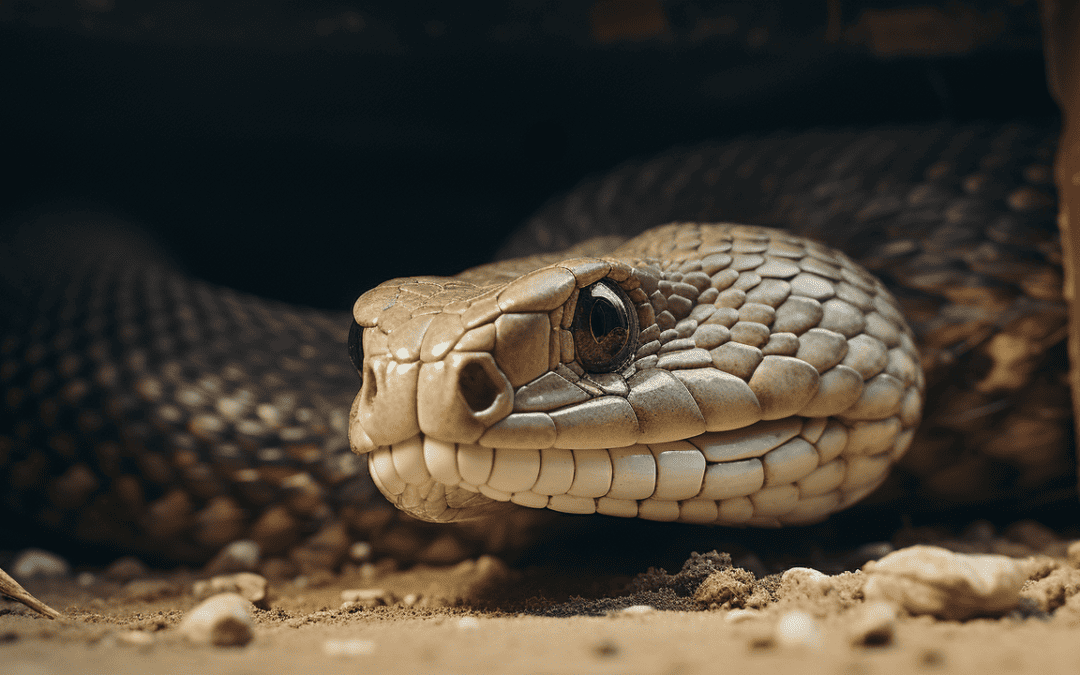
Finding a snake in your crawl space is never a pleasant surprise. But why do they love these areas so much, and more importantly, how can you keep them out? For homeowners in North Carolina, understanding what attracts snakes to crawl spaces is the first step in preventing unwanted visitors.
Why Snakes Hide in Crawl Spaces
Snakes aren’t out to scare you—they’re just looking for the perfect hiding spot. Crawl spaces provide everything they need to feel hidden and secure. Here’s why your home might be attracting them:
1. Warmth and Shelter
As cold-blooded creatures, snakes rely on external warmth to regulate their body temperature. Crawl spaces offer a cozy retreat, especially during cooler months.
2. A Steady Food Supply
If you have a rodent problem, you might also have a snake problem. Mice, rats, and insects provide a food source that keeps snakes coming back.
3. Moisture and Humidity
Damp crawl spaces create the ideal environment for many snake species. If your crawl space retains moisture, it could be more inviting than you think.
4. A Quiet, Undisturbed Space
Since crawl spaces aren’t areas we frequent, they give snakes the peace and security they crave.
How to Spot a Snake Problem
Before taking action, it’s important to know if a snake has already moved in. Look for these common signs:
Snake tracks – Wavy, zigzag patterns in dust or soft dirt
Shed skin – Found in corners or near walls
Rustling sounds – Subtle movements in the dark
Droppings or odors – Snake waste resembles bird droppings and may have a musky scent
Small holes or gaps – Tiny entry points around foundation vents, pipes, or cracks in the walls
Pro Tip: If you’re unsure about checking your crawl space, consider calling a professional for a thorough inspection.
How to Keep Snakes Out of Your Crawl Space
Once you’ve identified potential snake activity, it’s time to take action. Here’s how to snake-proof your crawl space and keep your home pest-free:
1. Seal Entry Points
Snakes can squeeze through surprisingly small gaps. Inspect your crawl space for any openings and seal them with materials like:
Caulk or expanding foam for small cracks
Steel mesh for vents and larger gaps
Weather stripping around doors
2. Install a Secure Crawl Space Door
Many older homes have open or loosely sealed crawl spaces. Installing a well-fitted crawl space door can keep snakes and other pests out.
3. Reduce Attractants
A clean, dry crawl space is far less inviting to snakes. Make your home less appealing by:
Eliminating moisture – Use a vapor barrier or dehumidifier to reduce humidity.
Removing rodents – If you notice signs of mice or rats, call a pest control professional.
Clearing debris – Keep woodpiles, leaves, and tall grass away from your foundation.
4. Use Snake Deterrents
Some homeowners find success with natural or chemical snake repellents. Look for options that are non-toxic for pets and follow application instructions carefully . Professional pest control services can help with distributing products such as Serpent Guard to protect your home.
5. Modify Your Landscaping
Making your yard less snake-friendly can prevent them from getting close to your home in the first place. Try these simple landscaping tips:
Keep grass trimmed short
Space out bushes and flowerbeds
Use gravel or mulch—snakes dislike moving over rough textures
Keep Your Crawl Space Snake-Free for Good
North Carolina’s climate makes it a prime location for snakes, but that doesn’t mean they should be living under your home. By sealing off entry points, removing food sources, and modifying your yard, you can eliminate a snake in your crawl space—without harming them or the environment. Need help protecting your home? Contact a local pest control expert to ensure your crawl space stays snake-free year-round!