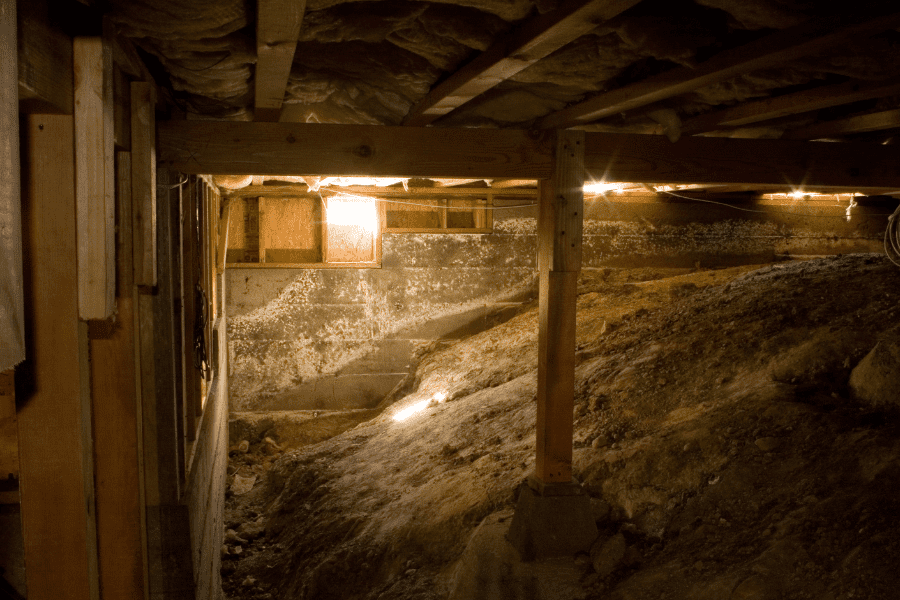
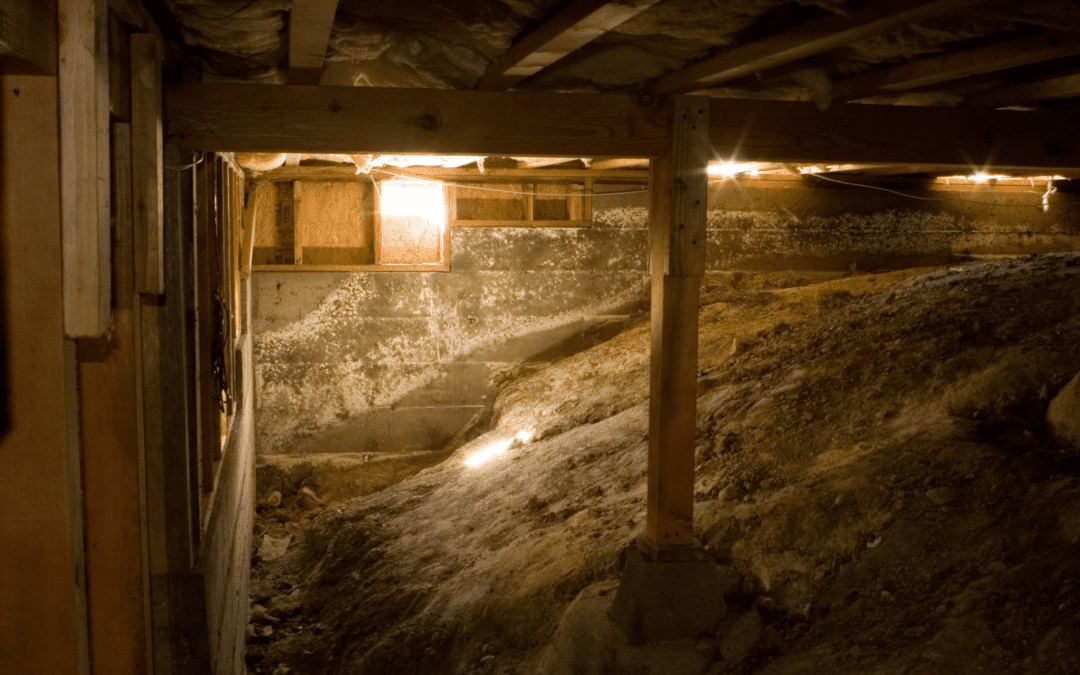
Your crawl space may not be top of mind, but in Burlington, North Carolina, it has a big influence on your home’s comfort, health, and efficiency. If you’ve been noticing musty smells, rising utility costs, or even pest activity, it could be time to take a closer look below your floors. Crawl space encapsulation can protect your home from moisture, mold, and unwanted critters—issues that are all too common in central North Carolina. Let’s break down what encapsulation is, signs your home may need it, and why more Burlington homeowners are making the switch.
Understanding Crawl Space Encapsulation
What Is Encapsulation?
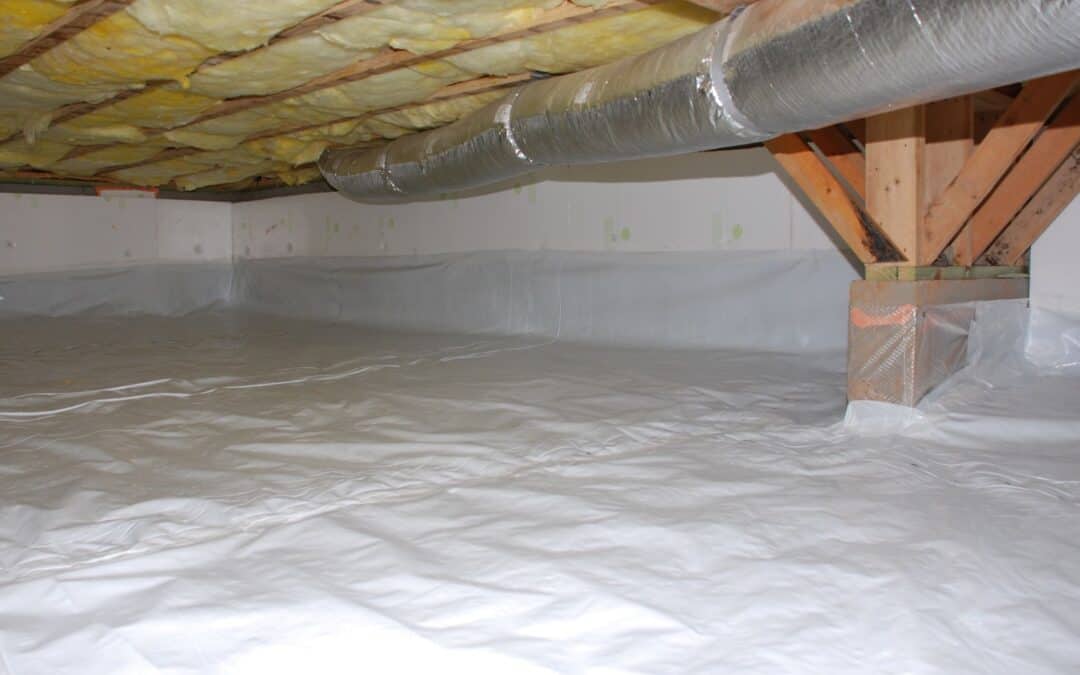
Encapsulation is the process of sealing off your crawl space with a durable vapor barrier. In many cases, it also includes insulation upgrades and the addition of a dehumidifier. By controlling moisture at the source, encapsulation helps stop problems such as:
Because Burlington often experiences muggy conditions, encapsulation helps keep indoor air fresher, while also making your house more energy-efficient.
Why Burlington Homeowners Benefit from Encapsulation
Choosing crawl space encapsulation comes with a wide range of advantages, including:
Cleaner, Healthier Air
Much of the air you breathe indoors originates from the crawl space. Sealing it reduces allergens, mold spores, and that “old basement” smell.
Better Moisture Management
Encapsulation keeps damp outdoor air out, protecting your floors, wood beams, and other structural elements from water damage and warping.
Energy Savings
Less moisture and improved insulation allow your HVAC system to run more efficiently. That translates into lower energy bills and steadier indoor temperatures.
Fewer Pest Problems
Rodents, insects, and termites thrive in damp environments. Encapsulation makes your crawl space less welcoming to pests by eliminating both entry points and excess moisture.
Long-Term Protection
Encapsulation safeguards your investment and may increase resale value by making your home healthier, drier, and more efficient.
Signs It’s Time to Check Your Crawl Space
Homes in Burlington often show warning signs when crawl space issues are present. Keep an eye out for:
Persistent odors: Musty or earthy smells can indicate mold or mildew below.
Moisture indoors: Condensation on windows or sticky indoor air may come from your crawl space.
Visible growth: Mold on baseboards, corners, or walls often starts from below.
Unwanted pests: Evidence of rodents or insects can signal a crawl space problem.
Sagging floors: Excess moisture can weaken wood supports and damage flooring.
What the Encapsulation Process Involves
When you choose professional encapsulation, here’s what to expect:
Inspection and preparation Your crawl space is assessed for pests, mold, or structural concerns, and debris is removed.
Sealing with a vapor barrier A thick liner is applied to the floors and walls, and vents or openings are sealed.
Moisture control Depending on conditions, a dehumidifier or sump pump may be installed to regulate humidity.
Final check The crawl space is inspected to ensure it’s fully sealed and performing as it should.
Long-Term Payoff for Burlington Homes
With encapsulation, Burlington homeowners often see lasting improvements, such as:
Fewer repairs caused by moisture or pests
Greater comfort throughout the seasons
Peace of mind that your home is protected from below
Is Crawl Space Encapsulation Right for You?
If you’re dealing with humidity, unpleasant odors, or pest activity—or if you just want to avoid those problems in the future—crawl space encapsulation may be the solution. It’s a proactive step that protects your home, makes your air cleaner, and prevents costly repairs down the road.
Ready to take control of your crawl space? Contact Sawyer Exterminating today to schedule an inspection and request your personalized encapsulation estimate.
If you’re dealing with pests in your crawl space in North Carolina, it’s important to address the issue promptly, as pests in this area can cause significant damage to your home and affect indoor air quality. Common pests found in crawl spaces in North Carolina include moisture-loving insects like termites, ants, rodents, spiders, and cockroaches. Here’s a general guide to pest control in your crawl space:
Pest Control In Your Crawl Space
1. Inspection and Identification
Identify the pest: Before you can treat the problem, it’s important to identify what kind of pests you’re dealing with. Common signs include droppings, chewed wires or insulation, or the presence of pests themselves.
Check for moisture: Many pests, especially termites, ants, and cockroaches, thrive in damp environments. If there’s excess moisture or standing water in the crawl space, it can attract pests.
Inspect for entry points: Look for cracks, gaps in the foundation, vents, or places where pipes or wires enter your crawl space that could allow pests to get in.
2. Moisture Control
Encapsulate your crawl space: Installing a vapor barrier or encapsulation system can help control moisture and reduce the risk of attracting pests. The barrier seals the ground and walls of the crawl space, keeping humidity levels in check.
Ensure proper drainage: Make sure the grading around your home slopes away from the foundation, so that water doesn’t pool around or under your crawl space.
Install a dehumidifier: If your crawl space is prone to moisture, a dehumidifier can help maintain an optimal environment, reducing the likelihood of pests like termites and mold.
3. Sealing Entry Points
Seal gaps and cracks: Use caulk, foam, or mesh to seal cracks in the foundation, around pipes, vents, and around doors to the crawl space.
Install pest-proof vents: Make sure any vents in your crawl space are equipped with mesh screens to prevent rodents and insects from entering.
4. Pest Treatment
Termite prevention: In North Carolina, termites can be a major problem. If you suspect a termite infestation, it’s essential to get a professional pest control service to inspect your property and recommend treatments. Termite treatments may include bait stations, liquid barrier treatments, or fumigation in severe cases.
Rodent control: For rodents, trapping, sealing entry points, and keeping food sources like pet food or trash away from your home can help. You may need a professional pest control company to address large infestations.
Ant control: Baiting and spraying insecticide around entry points can help control ants. However, if you’re dealing with carpenter ants or other wood-destroying ants, it’s best to have a professional inspect and treat the problem.
5. Ongoing Prevention
Regular inspections: Even after the pests are gone, it’s important to inspect your crawl space regularly to catch any new issues early.
Continual moisture management: Keep monitoring moisture levels in your crawl space, especially during the rainy season.
By addressing moisture, sealing potential entry points, and using targeted pest control treatments, you can maintain a pest-free crawl space. If you’re ready to enclose your crawl space or suspect you have pests, reach out to your local pest control company for help with pest control in your crawl space.
Your crawl space plays a key role in your home’s overall health and safety. If your crawl space is not properly taken care of, it can lead to a range of problems such as pest infestations, poor indoor air quality, damage to your foundation, and potential health hazards. In this blog, we breakdown how to care for your crawlspace with the help of DIY methods, encapsulation, and CrawlSpace Seal.
How To Care For Your Crawl Space
CrawlSpace Encapsulation
Encapsulating your crawl space is the process of sealing it to help prevent moisture from entering. This process involves installing a moisture barrier or vapor barrier on the floor and walls of your crawlspace, keeping moisture out of the space to help prevent fungi, wood rot, and other moisture-related problems. Likewise, crawlspace encapsulation can help seal pests out by eliminating the food and water sources available to them.
CrawlSpace Seal
CrawlSpace Seal is an innovative solution that is applied to wooden structures in space, such as floor joists and beams. CrawlSpace seal will not only help with moisture issues, but it can also deter pests, like termites, and prevent them from damaging your home’s wood. This service is environmentally friendly and can provide extra protection when paired with crawlspace encapsulation.
Tips For Keeping a Healthy CrawlSpace Tips:
Check regularly for signs of moisture, including dampness and standing water. If you notice moisture buildup, address is as soon as possible to prevent moisture-related issues.
Remove debris or clutter from your crawl space to help eliminate hiding spots for pests.
Consider installing screens over vents or openings in your crawlspace to prevent pests from entering.
Schedule regular inspections with your local pest control company near you to ensure the area is free of pests and other issues.
Following these tips to care for your crawl space can lead to a healthy home for you and your family!
Crawl space encapsulation is the process of sealing your crawl space with a barrier to prevent moisture from entering. A crawl space professional will install a moisture or vapor barrier on the floor and walls of the space, allowing moisture to stay out to prevent fungi growth and other moisture–related problems. But when do you know it’s time to enclose your crawl space? We breakdown all you need to know about crawl space encapsulation, its benefits, and tips on keeping it healthy year-round.
FAQs About Crawl Space Encapsulation
When Should I Enclose My Crawl Space?
If you’re noticing persistent moisture issues, fungi growth, or a musty smell creeping into your home, it’s a clear sign that enclosing your crawl space could be the solution. Sealing it off can help protect your home from these issues.
What Are the Benefits to Crawl Space Encapsulation?
Besides preventing moisture-related issues, there are several other benefits that enclosing your crawl space will provide your home, including:
Energy Savings: HVAC units often run longer to help maintain the temperature inside, using more electricity, and, in return, increasing your energy bills. A moisture barrier will act as a sealant and ease your HVAC system to make your home more energy efficient and save money!
Structural Integrity: Home foundations are vital and excess moisture can lead to wood rot, comprising the structural integrity of your home. Moisture barriers help reduce the amount of moisture to avoid wood rot, protecting the overall structure.
Better Air Quality: Fungi and mildew issues can arise if your crawlspace is in bad condition, creating a health risk to your family and pets. Once installed, a moisture barrier looks to reduce the moisture levels and prevent these moisture-related problems from forming, creating better air quality overall.
Pest Control: Unsealed crawlspaces can be an open invitation for pests and wildlife critters to enter and search for a place to nest and find food sources. Pests like rodents and roaches can cause considerable damage and contaminate your home, bringing in health and safety concerns. Enclosing your crawlspace will eliminate entry points for pests into your home and serve as a good starting point for home pest control.
How Can I Keep a Healthy Crawl Space?
Once your crawl space encapsulation is installed, it’s still important to continue taking care of the space so you don’t run into any further problems in the future. Consider these tips:
Continue checking for signs of moisture, including any dampness and standing water.
Install screens over vents or openings in your crawl space to prevent pests from entering.
Remove debris or clutter you see in the space to help eliminate pest harborage sites.
Consider pairing your crawlspace encapsulation services with CrawlSpace Seal, an innovative solution that is applied to beams and floor joists to help prevent pests and moisture problems.
Schedule regular inspections with a pest control company near you to ensure your crawl space is free of pests and other problems.
With the help of crawl space encapsulation, crawlspace seal services, and regular maintenance and inspections, you’ll see a healthier environment in your home!
Once the winter hits North Carolina, the last thing you want to deal with is a cold home! With temperatures dropping, it’s important that your heating systems are ready, and your home is prepared to weather the cold. If not, you could be dealing with cold air and high energy bills. Crawl space enclosure in the winter provides a solution to both problems that many homeowners face.
North Carolina Crawl Space Enclosure Benefits
There are several benefits to enclosing your crawlspace. One that many look forward to is saving on their energy bill. The moisture in your crawlspace can affect the temperature inside the home, causing the HVAC unit or furnace to run longer to help keep your home warm, and in return uses more electricity. When you enclose your crawlspace, the moisture barrier acts as a sealant, which controls the moisture levels. This will ease the strain of your HVAC system to make your home more energy-efficient and save on energy bills.
Another great benefit of enclosing your crawlspace is preventing mold growth and odor. If left open, high moisture levels can cause unwanted growth, creating considerable damage to your home, posing a health risk to your family, and potentially causing an odor throughout your home.
An unsealed crawlspace is an open invitation to pests looking for shelter, food, and water. Once inside, these pests can cause damage and present a health risk to your home and family. After the crawlspace enclosure installation is complete, the moisture barrier can help eliminate entry points for these pests to infest, providing you with another avenue of pest control.
Consider calling a pest control company near you for a crawlspace enclosure inspection and quote to stay warm and pest-free in the winter!
Every homeowner should ensure their home’s temperature is consistent for comfortable living. Unfortunately, your crawl space could contribute to your home’s ever-changing temperature. Crawl spaces can be impacted by moisture and pests, making it essential to fix these issues promptly. Read on to learn more about crawl space care for your home.
Moisture in Your Crawl Space
Living in the southeast can bring high humidity. This humidity contributes to conditions suitable for fungi growth and wood rot. Over time, these conditions can cause severe health issues for family members who suffer from asthma and allergies. If you notice excessive moisture in your crawl space and North Carolina home, it’s best to resolve it in a timely manner.
Pests in Your Crawl Space
After the warmer months leave, your crawl space might become a refuge for pests and wildlife. Some pests that might seek shelter and comfort in your crawl space include ants, crickets, spiders, mice, and cockroaches. Termites will also find it easier to eat away at our home’s structure if it is moist enough.
Crawl Space Care Tips
Enclosing or encapsulating your crawl space is one of the best methods for taking care of your crawl space, although there are some do-it-yourself crawl space care measures you can implement on your own to improve the health of your home’s crawl space.
Eliminate moisture by repairing leaky faucets and clearing clogged drains
Seal any exterior cracks or holes to keep pests from easily accessing your home
Eliminate any additional food supplies and hiding places for pests and wildlife, such as woodpiles stored near your home
Replace any loose mortar around foundations and weatherstripping around windows and doors.
If you suspect you have pest infestations or moisture problems in your crawlspace, reach out to a pest control company near you to schedule a free inspection and receive the best plan of action today!