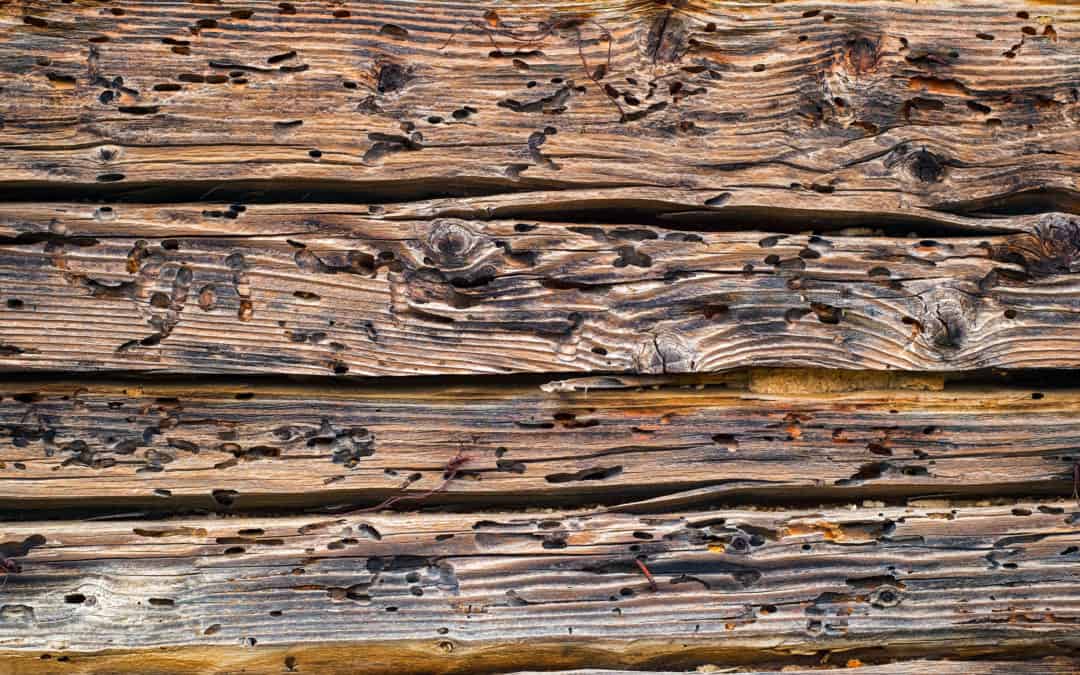
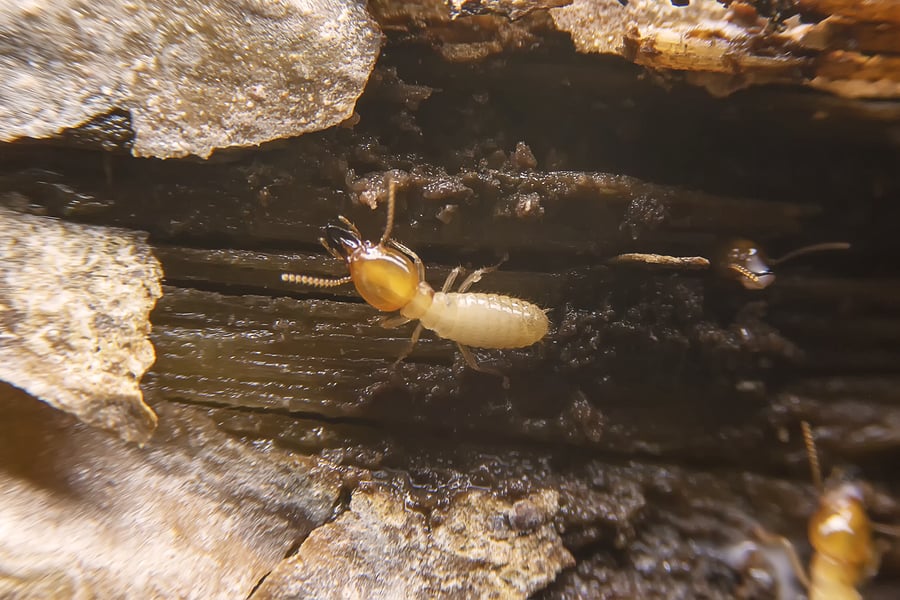
It’s estimated that termites cause billions of dollars worth of damage annually in the United States. While they primarily feed on wood, they can also damage books, insulation, and swimming pool liners and filters. They like to wreak havoc on trees, shrubs, and plants that are in bad health. Termites can infest buildings at any time. This can be particularly troublesome when buying or selling a home. A termite inspection and report are usually required as a condition of sale of a home.
Signs of Damage
When signs of termite damage surface, the infestation has often been there for years with extensive damage already sustained. Some signs of termites in your home include:
A hollow sound made by tapping on wood with a heavy object
Painted walls that bubble and peel
Small entry holes where they tunnel through drywall
Buckling ceiling and walls
Appearance of water damage
Maze-like designs in wood structures
Mud tunnels on foundations
Significant damage from termites can have an effect on the structural integrity of your home and can even cause ceilings and floors to collapse. Termites can also ruin furniture and flooring.
Damage Costs
One question that many homeowners have is if termite damage is covered under a homeowner’s insurance policy. Unfortunately, in most cases the answer is no. Homeowner’s insurance typically does not cover termite damage or removal because it can usually be prevented through routine home maintenance. However, you should always check with your insurance provider to see what you are and aren’t covered for.
Prevention
Termites can be prevented with scheduled periodic professional inspections which can help identify signs of infestations early. This can help keep repair costs down and the damage to a minimum. Any professional termite control plan should eliminate termites, prevent future termite infestations, and prevent termite damage. If you suspect that you have a termite problem or want to have an inspection done, contact your local pest control company.
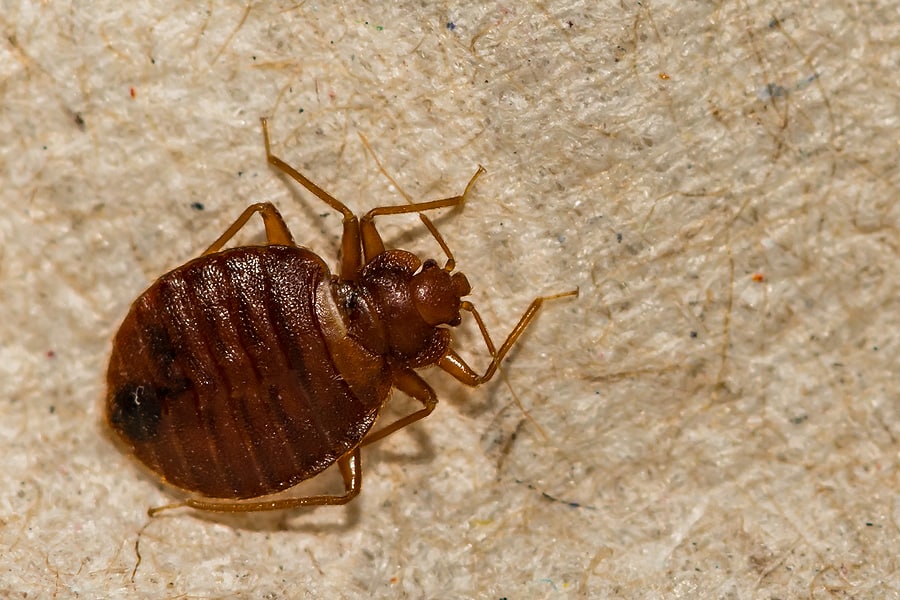
While the holidays can be filled with fun and travelling to see family, one side effect that isn’t fun is dealing with bed bugs. Bed bugs are active all year but are more likely to infest your home after a trip. Below are a few tips to help prevent bed bugs now and throughout the year.
Inspect
Inspect your hotel room or rental for signs of bed bugs before bringing your luggage inside. It’s more common for hotels to have issues with bed bugs, regardless of the price or popularity, so it’s important to check every room. Bed bugs can be found in any type of furniture in the cracks and crevices, not just beds. Make sure you check sofa cushions, chairs, behind headboards, and around mattress corners. Look for evidence of bed bugs, which will usually be very small, dark-colored stains. Another indication of bed bugs is skin shells that have been shed during their growth phases.
Move
If any bed bugs evidence is found, request a different room or change your accommodations. If you do change rooms, make sure you are not right next door to the infested room.
Unpack
More often than not, bed bugs will go unnoticed because of their small size and nocturnal behavior. Even if you inspect your room and don’t find anything, be cautious when unpacking your clothes. Do not leave your luggage lying on any furniture. After inspecting, use the luggage racks provided by most hotels.
Contain
After you’ve returned home, don’t bring your luggage directly inside. Seal them in plastic bags or containers and store them for a few weeks somewhere outside of your home. You can take further precautions by steaming or vacuuming your bags before storing them.
It’s possible to take all of these precautions and still bring bed bugs indoors. If you’re experiencing bed bug bites or are seeing evidence of bed bugs, contact a professional pest control company to assess the situation. An exterminator can determine the best bed bug control plan and provide you with recommendations to prevent further infestations.
Buying a home is a major investment. For most homeowners, a lot of time is spent repairing and renovating their home to their liking. However, owning a home can also come with a lot of unexpected problems that can be costly to repair, such as termite damage. Termites can colonize homes and cause significant undetected destruction over a long period of time. Most of the time, it costs thousands of dollars to repair their damage. Unfortunately, the infestations can sometimes be exacerbated by the homeowner. Below, we’ll explain what you need to know to make sure you aren’t attracting termites.
Improper Drainage
One of the most common reasons why you may have a termite infestation is due to improper drainage around your home. Subterranean termites are attracted to moisture and need an abundant source of nearby water to survive. Debris can build up in your home’s gutters, and the excess moisture can soften your roof and cause it to rot. A downspout can help divert rainwater away from your foundation, and splash blocks can prevent the water from pooling.
Wood Mulch
The type of materials you use to landscape can attract termites, specifically mulch. Mulch is often used near and around homes, usually against the foundation. Unfortunately, it serves as a food source for termites as it retains moisture and attracts these pests right to the edge of your home. Try to minimize the use of wood mulch and keep it at least 15 inches from the foundation.
Moisture
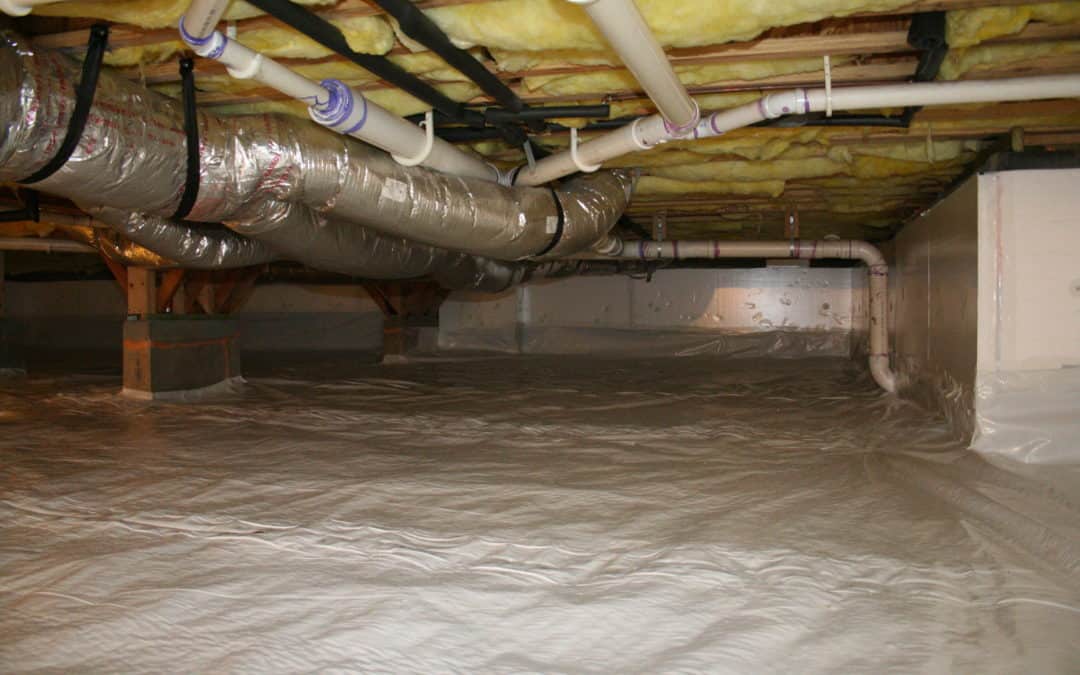
Lack of airflow and leaking pipes contribute to moisture problems in the home and can create a perfect environment for termites. Eliminating any type of excess moisture inside of your home is a huge step in preventing termites. Consider enclosing your crawlspace to prevent termites and improve the overall health of your home. Doing so will reduce the moisture, decrease humidity, lower utility bills, and prevent mold and wood rot.
If you’ve taken the necessary steps in preventing termites but still suspect that you have a problem, call your local pest control company to help. They can help set you up with a termite inspection and termite control and prevention plan.
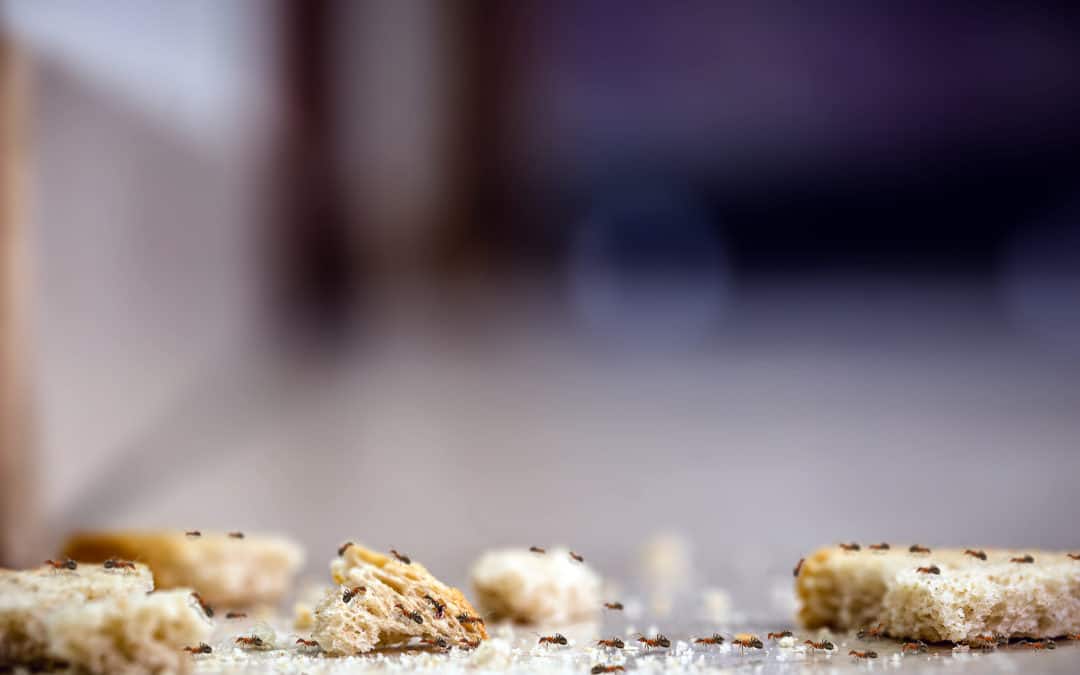
Ants are known for being one of the most common home invaders. As soon as they see an opening, they will invade your house and any food they can get their hands on. While they tend to enter homes during the winter, now is the perfect time to start putting preventive measures in the most common areas ants are found – the kitchen and bathroom!
The kitchen is an ideal place for ants to infest. These pests are constantly looking for a water source, and the kitchen is the perfect place to find it. If your kitchen isn’t cleaned frequently and thoroughly, ants will quickly invade. Below are a few ant prevention tips to help keep them out of your kitchen:
Store any sweet food items, such as honey and syrup, in plastic containers that seal tightly. Also, you should wipe them down after use to remove any sticky residue.
Clean up any spills or crumbs on your countertops and kitchen floors.
Get rid of any ripe fruit.
If you have pets, pick up any leftover food and wash their bowls frequently.
Along with the kitchen, your bathroom is highly vulnerable to an ant infestation. A bathroom is an attractive place for ants because they enjoy moisture and dark places. Carpenter ants will build their nest in damp areas, such as behind bathroom tiles or under sinks. To prevent ants from infesting your bathroom, take these preventative measures:
Regularly inspect your sink, toilets, and tubs for any leaks or drips to avoid excess moisture.
Give your bathroom a good and thorough cleaning by scrubbing the floors with a disinfectant cleaner and wiping down the insides of your drawers.
If you have noticed an invasion of ants inside of your home, consider calling your local pest control company. Trained service professionals will set you up with a prevention and ant control plan to help prevent these pests during peak ant season.
Crawlspaces are typically used for storage and easy access to plumbing. However, they can be a damp place that provides an ideal environment for mold, mildew, pests, and rust. Keeping your crawlspace dry is essential to improving the overall health of your home. Below are the essentials to crawlspace moisture barriers in your North Carolina home.
What’s a crawlspace?
A crawlspace is a variation of a basement where you can crawl around. The surface of a crawlspace is often just bare earth. They’re traditionally built for homes without a basement or for homes that aren’t built on a slab. Their purpose is to promote air circulation throughout the home and to allow easy access to plumbing, electrical, and other home maintenance needs
Where does crawlspace moisture come from?
Crawlspace moisture usually comes from one of three sources:
Bulk water: Water can accumulate from plumbing leaks or blocked drains. The longer this water remains stagnant, the worse the moisture can get.
Outdoor air coming through vents: The vents around crawlspaces provide ideal access for vapor from the outside air to come in, which increases your humidity levels.
Moisture from the ground: Uncovered soil releases moisture into the air, which releases it into the crawlspace.
What are the benefits of crawlspace moisture control?
Controlling the moisture levels in your crawlspace provides you with several benefits. These benefits include:
Avoiding negative health effects from mold and mildew
Decreasing your heating and cooling bills
Preventing insects
Improving indoor air quality
What is a vapor barrier?
A crawlspace vapor barrier is a set of polyethylene sheets that are placed on the uncovered soil of your crawlspace to help prevent moisture from seeping through. This will help improve humidity levels in the crawlspace. Vapor barriers, also known as moisture barriers, are often used with dehumidifiers and/or crawlspace encapsulation.
Do you have an issue with moisture in your crawlspace? Contact a crawlspace company near you who can come out and inspect your crawlspace, identify any areas of concern, and recommend the best treatment plan for your situation.