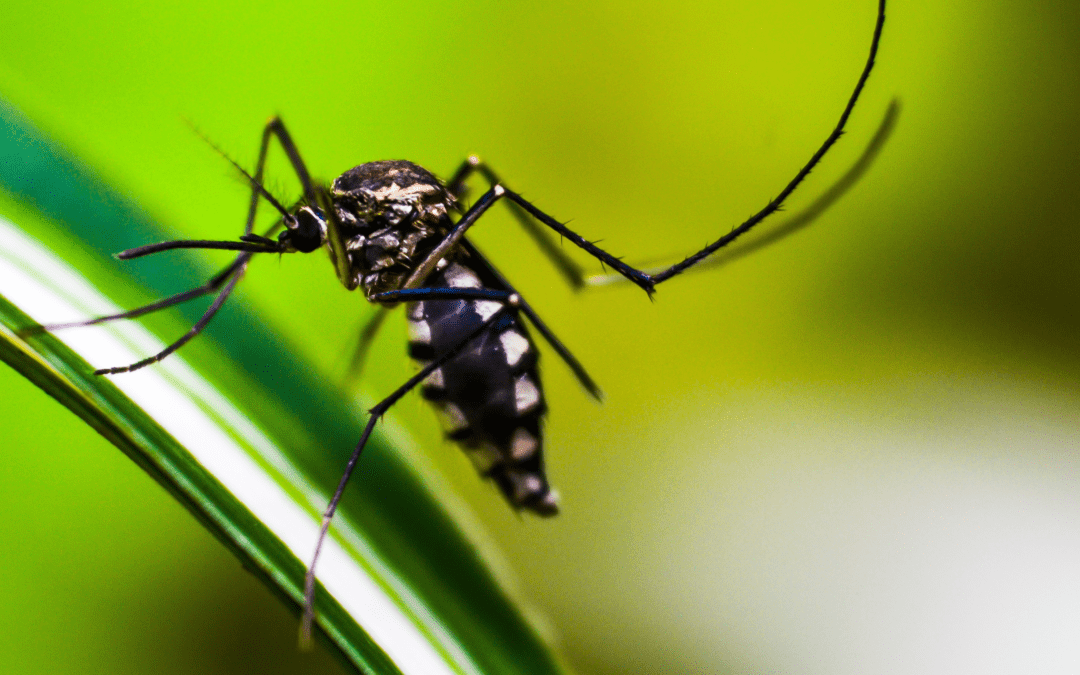
Just the thought of mosquitoes can be enough to ruin a nice day outside. They are known for being a nuisance. With spring here, taking the necessary steps to avoid mosquitoes is extremely important. Mosquito control treatments performed by professionals can help reduce these pests by targeting adult mosquitoes and larvae throughout your property. There are many factors that determine how beneficial these treatments are in helping protect you, your family, and your property.
Mosquito season typically runs from April until October. Warm season is a major factor when it comes to their activity. They are highly attracted to standing water and will usually lay their eggs there for survival. This is common for mosquitoes because they only need a small amount of water to do so. Once these eggs hatch, it can be difficult to try and control them.
If mosquitoes have hatched and are roaming your property, they can find their way inside your home. They are small which allows them to easily fit inside of holes or gaps leading into your house. It’s essential for windows and doors to have screens that are in good condition to help keep them out. If they make it inside, mosquitoes will search for a perfect place to lay eggs.
Female mosquitoes will bite and feed on humans and animals. This is because they require a blood meal to lay fertile eggs. The bites they leave can become red, itchy, and irritating for both humans and animals. Mosquito bites are also dangerous because they can spread viruses such as West Nile or Zika. To avoid mosquito bites, you should take precautions when you know you will be outside during the peak season. You can use EPA-registered mosquito repellants or wear long-sleeved shirts and pants.
With mosquito treatments, a pest professional can inspect your property to identify the resting and breeding areas. This will allow them to eliminate these pests more effectively. These services are recommended monthly during peak mosquito season to help you have a bite-free spring and summer! If you are concerned with mosquitoes on your property, contact your local pest control company for a free inspection!
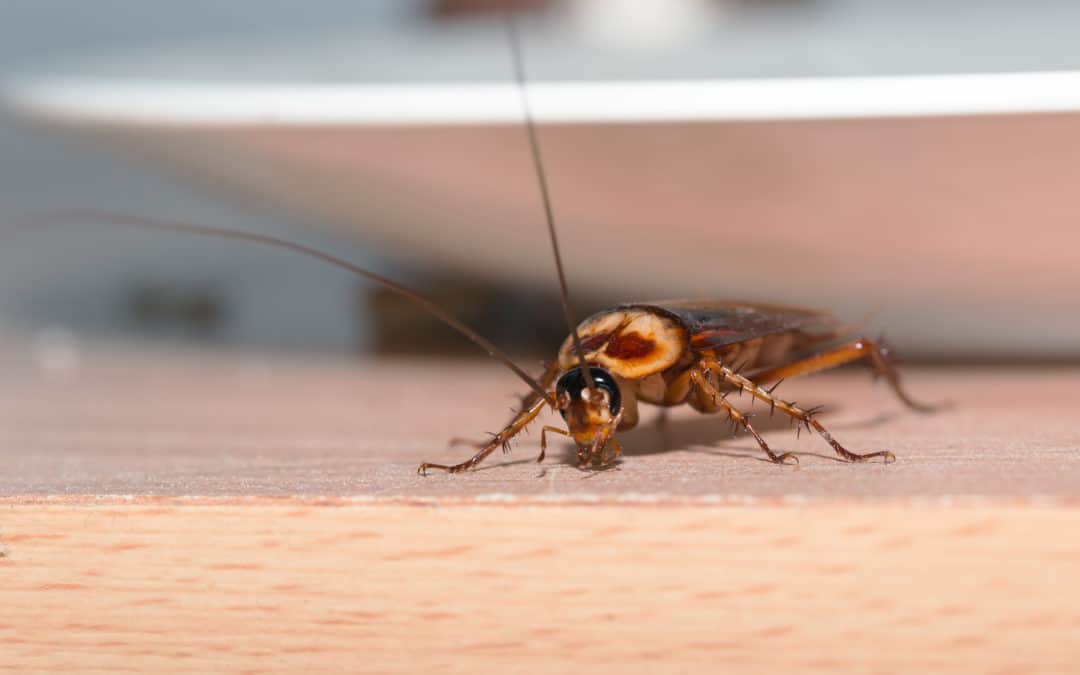
Cockroaches are attracted to food, water, and warm shelter, all of which can be found in your home. They can multiply quickly and adapt to just about any environment, which makes them extremely difficult to get rid of. Cockroaches are dangerous to humans as they’re known to carry and transmit serious diseases, trigger allergies and asthma, and contaminate food and surfaces in your home. In order to keep roaches out of your home, the goal is to make it as unattractive to them as possible. Below are 3 tips to help prevent roaches.
Keep it clean
Roaches are attracted to dirt and filth because they provide a source of food for them. Keeping your home clean helps eliminate these food sources by making them go elsewhere in search of something to eat. Wash your dishes and put them away after meals, clean up any crumbs and spills, empty the garbage before going to bed, clean grease from your stovetop, and sweep, mop, and vacuum on a regular basis. Also, make sure you seal any leftover food in containers and don’t leave pet food out overnight.
Clear it out
The less clutter in your home, the less places roaches have to hide. Besides that, cockroaches love to breed in newspaper and cardboard. Keep your home as clutter free as possible. Make sure you dust regularly and use plastic storage bins instead of cardboard boxes when possible.
Seal it up
Roaches are able to squeeze through the tiniest of holes. They tend to get in through cracks around windows, doors, roofs, foundations, in attics and crawlspaces, and through vents and holes used for electric and plumbing. Inspect your home for any possible entry points and seal them up. For smaller holes you can seal with caulk, and with larger holes you can seal with steel wool or foam.
If you are overwhelmed and can’t get roaches away from your home, call your local pest control company. They can provide you with a thorough inspection to help identify what type of pest you’re dealing with, the most likely points of entry they’re using, and the most up-to-date treatment and prevention options available.
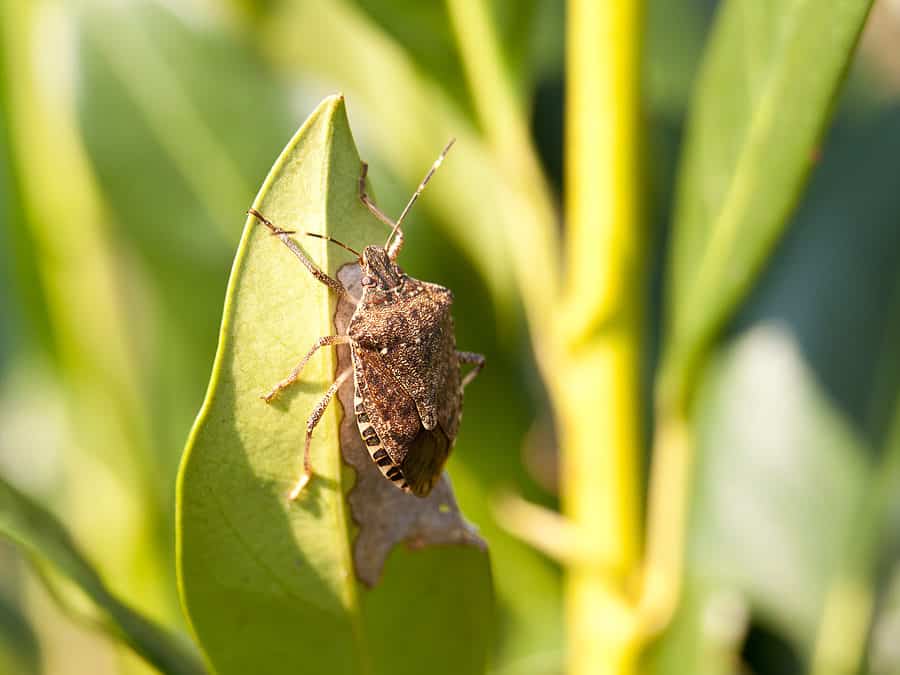
Stink bugs are harmless insects that release a powerful smell that can overwhelm the senses. They are usually brown and get up to 1.7 cm in length. While they are not poisonous and don’t pose any serious health threat to humans, stink bugs can be a smelly nuisance for homeowners. The smell is often compared to dirty socks, and if a stink bug feels threatened in your home, it may release that smell and make your home much less inviting.
These pests often enter homes and other structures during the winter in search of food, water, and shelter. Luckily, they don’t do much damage to homes and will not breed inside. They do, however, tend to invade homes in high numbers. Once they make it inside, they may become terrified, especially if you get near them. If this happens, it will cause them to release their stink into the air.
Below are a few of the best ways to prevent a stink bug invasion:
Seal cracks around windows, doors, electrical outlets, ceiling fans, and light switches.
They are attracted to lights, so it’s recommended to keep outdoor lighting to a minimum.
Repair damaged window screens and install door sweeps on exterior doors.
Properly ventilate basements, attics, garages, and crawl spaces to eliminate harborage points. Also, consider using a dehumidifier in these areas.
Install screens over the chimney and attic vents.
Keep branches and shrubbery well-trimmed, and make sure to store firewood at least 20 feet away from your house.
If you think you may have a stink bug problem, contact your local pest control company. They can help you identify any entry points they may be using and can help eliminate them.
With warm weather here, it’s the perfect time to do some spring cleaning. A great place to start is your kitchen pantry. Pantry pests tend to be less obvious than other common household pests. You might not see or notice them until there’s an infestation or when they leave the food source to fly into other areas of your home.
The good news is that pantry pests don’t cause any structural damage to your home and don’t pose much of a threat to people or pets. However, they can penetrate carboard and plastic, leaving your goods vulnerable to infestations. Once a good source is affected, the pests multiply rapidly and will most likely spread to other food items if not found and controlled immediately.
How to Detect Pantry Pests
You will most likely notice pantry pests when they leave the food source and go to other areas of your home. You might see small beetle-like pests in cabinets or moths flying in the kitchen. If you suspect pantry pests, inspect your dried food immediately, throw out anything infested, and do a thorough cleaning of the entire area.
How to Prevent Pantry Pests
Properly store food items, including pet food, in tightly sealed containers, preferably with plastic or glass.
Buy dried foods in quantities that can be used up in 2 to 4 months.
Use up your older products before your newer ones.
Keep your pantry clean of food debris.
Wipe down shelves and floors regularly.
Thoroughly clean cracks and corners of cupboards and doors with a vacuum cleaner.
Inspect all packages before buying them or bringing them home.
If you spot any pantry pests, it’s recommended to contact a pest control company so the pests can be properly identified. A pest professional will locate the pests, eliminate them, and provide suggestions on how to prevent a reoccurrence in the future.
During the wintertime, many homeowners worry less about pests that are common during the spring and summer months. Contrary to popular belief, some pests don’t just die off when it’s cold outside. Instead, they use their survival instincts to get through the winter. Below is a list of 4 common winter pests and what you can do to prevent them when warmer weather arrives.
Ants
Seeing ants inside of your home is typically uncommon during the winter months. However, they are still around. They are great at overwintering and preparing for the cold. Ants prepare for the colder weather in the fall where they indulge in lots of food. This preparation helps them put on fat so they can survive without eating for weeks at a time. When winter finally arrives, their body temperature and activity will decrease. Then, they will seal up their colonies that they build deep in the soil or under rocks. This is where they will stay until springtime arrives.
Bed Bugs
Bed bugs are active all year-round. This means that they will invade your home whether it’s warm or cold outside. They are resilient pests and can survive temperatures from nearly freezing to 122 degrees Fahrenheit. This makes them an extremely difficult pest to get rid of. Common signs of bed bugs can include rusty, reddish-brown stains on bed sheets or mattresses, bites on exposed skin when sleeping, and eggs or egg casings.
After coming home from traveling, make sure you unpack your clothes and put them directly into your washing machine to clean. Always inspect your luggage for bed bugs and use a vacuum to clean it before storing it away.
Cockroaches
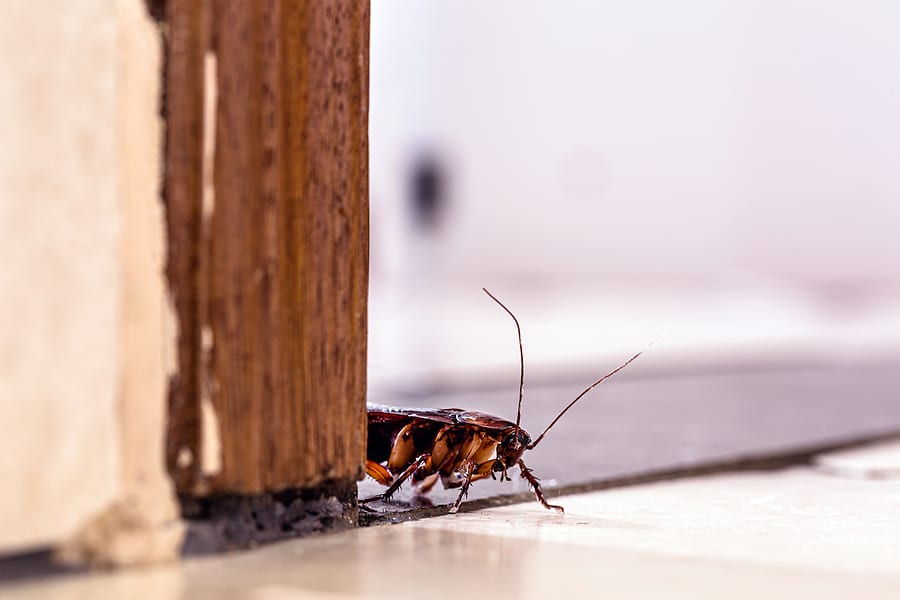
Most cockroaches can survive year-round if they have access to a warm and moist environment. Unfortunately, this means that your home is the perfect place for these pests to inhabit. German cockroaches are the one species that are known to survive harsh weather conditions. When the cold hits, they are great at sneaking indoors through small gaps and holes.
Cockroaches prefer to live in humid habitats such as kitchens, bathrooms, and basements. To ensure they don’t infest your home, make sure to clean up any spills or food crumbs, vacuum often, and use weather stripping to seal doorways.
To help prevent these overwintering pests from invading your home once spring and summer hit, consider contacting your local pest control company. A trained professional can provide you with an inspection, prevention, and treatment plan.